Moisture leaves your house through a combination of mechanical systems, natural air movement, and building materials designed to release humidity. Dehumidifiers, HVAC systems, exhaust fans, vapor barriers, and proper ventilation all work together to pull water vapor out of indoor air. When these systems function correctly, your home stays dry, healthy, and structurally sound. When they fail, moisture accumulates and damages walls, floors, and air quality.
What Actually Draws Moisture Out of Your House
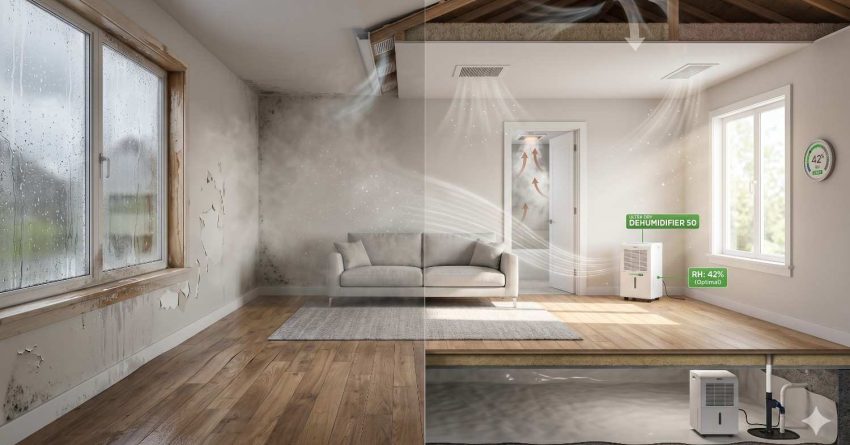
Several systems and forces actively remove moisture from a home. Dehumidifiers extract water vapor directly from the air. Air conditioners cool indoor air below its dew point and drain the condensation outside. Exhaust fans push humid air out of bathrooms, kitchens, and laundry rooms. Ventilation systems exchange indoor air with drier outdoor air. Together, these mechanisms maintain healthy humidity levels between 30% and 50%.
Mechanical Systems That Remove Indoor Moisture
Dehumidifiers are the most direct tool. They draw warm, humid air across cold coils, condense the water, and collect it for drainage. Central air conditioning performs the same task as a side effect of cooling. Bathroom and kitchen exhaust fans remove steam at the source before it spreads. Energy recovery ventilators (ERVs) and heat recovery ventilators (HRVs) replace stale, humid indoor air with fresh outdoor air without losing energy efficiency.
Natural Forces That Pull Moisture Outward
Air pressure differences move moisture from high-humidity zones to low-humidity ones. Warmer indoor air naturally rises and escapes through attic vents, drawing replacement air from below. Vapor barriers in walls and crawl spaces block moisture from migrating into building materials. Open windows and cross-ventilation help when outdoor humidity is lower than indoor levels, especially during cool, dry seasons.
Understanding the systems is one part of the answer. The practical question is how controlled mechanical ventilation systems perform across different homes and climates.
When and Where Moisture Removal Matters Most
Moisture control matters most in spaces where water vapor concentrates or hides. Bathrooms generate steam every day. Kitchens release humidity from cooking and dishwashing. Laundry rooms produce heat and moisture from dryers and washers. Basements and crawl spaces collect ground moisture year-round, and attics trap rising humid air if ventilation is poor.
High-Risk Areas in Residential Properties
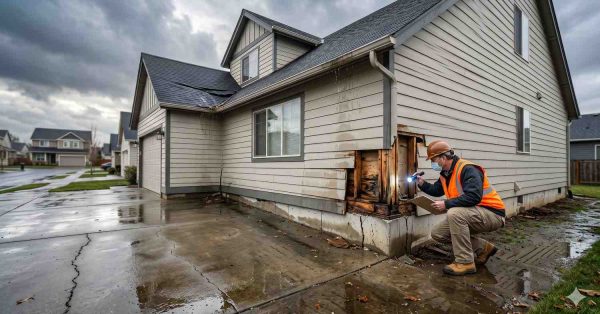
Crawl spaces are the largest hidden source of indoor moisture. Up to 50% of the air in your living space originates below the floor. Without crawl space and basement moisture barriers, ground vapor enters the home through floor systems and ductwork. Attics need balanced soffit and ridge venting. Bathrooms need fans rated for the room size. Each zone requires the right tool for its specific moisture load.
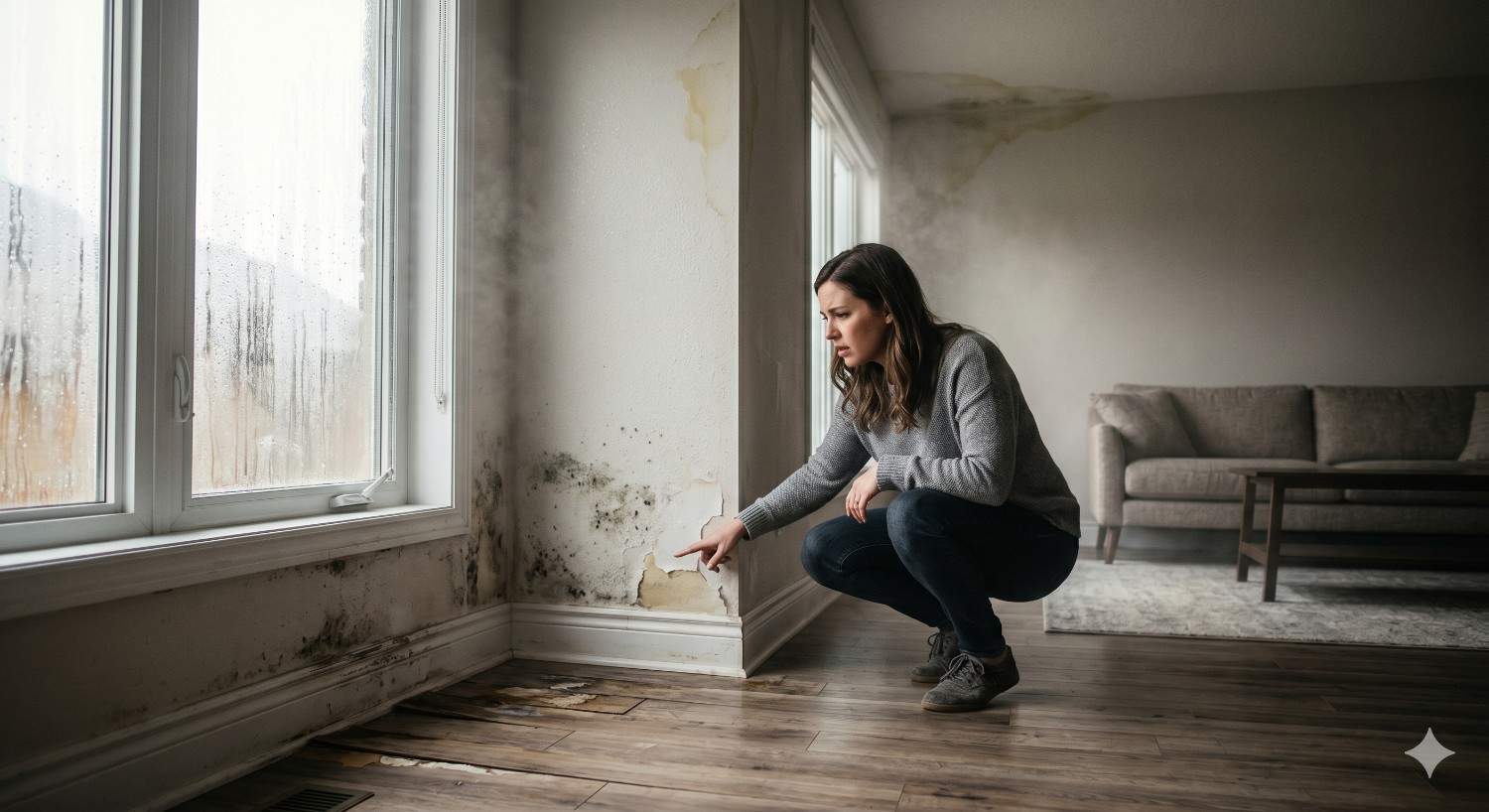
Signs Your Home Is Not Removing Moisture Properly
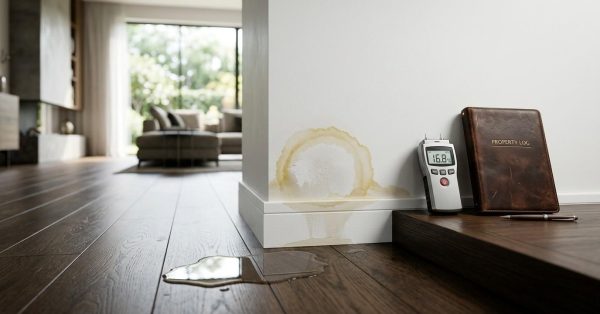
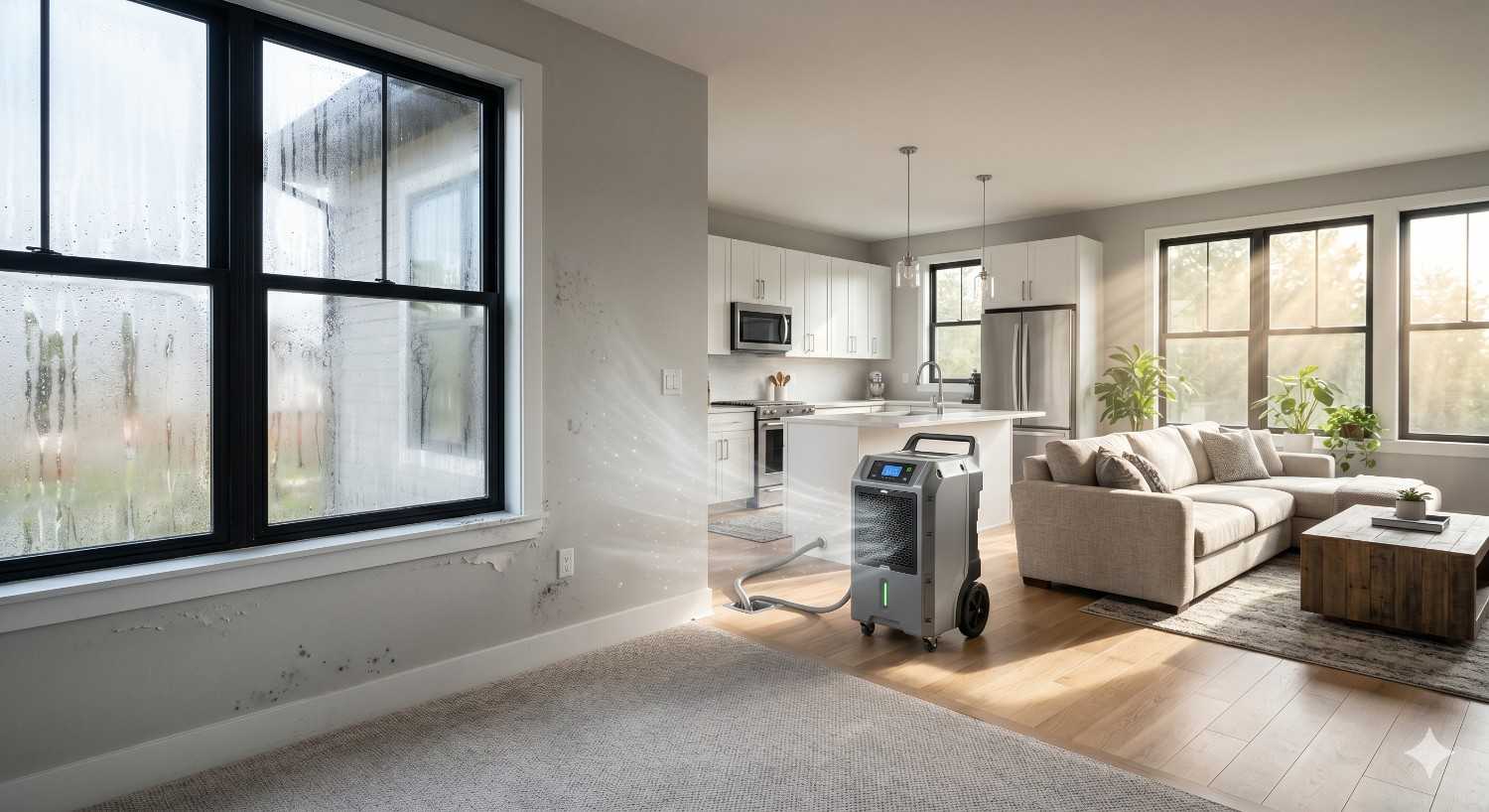
Condensation on windows, musty odors, peeling paint, warped wood, and visible mold all signal trapped moisture. Allergy flare-ups and persistent stuffiness often point to elevated indoor humidity. Sagging ceilings, dark stains, and bubbling drywall indicate active leaks or vapor intrusion. Catching these symptoms early prevents structural damage and costly remediation. Homes in humid climates need annual inspections to confirm dehumidifiers, vents, and barriers still perform as designed. Ignoring early water damage signs throughout the home leads to compounding repairs.
Conclusion
Moisture leaves your house through dehumidifiers, HVAC systems, exhaust fans, ventilation, and vapor barriers working together. Each one serves a specific zone and load.
For homeowners and property managers, balanced moisture control protects indoor air, building materials, and long-term property value across every season and climate.
We help you maintain dry, healthy properties year-round. Contact Mr. Local Services today to connect with trusted moisture control specialists.
Frequently Asked Questions
What is the best device to draw moisture out of a house?
A whole-home dehumidifier paired with a properly sized HVAC system removes the most moisture efficiently, especially in humid climates or larger properties.
Does opening windows reduce indoor moisture?
Only when outdoor humidity is lower than indoor humidity. In hot, humid weather, opening windows adds moisture instead of removing it.
How do I know if my house has too much moisture?
Watch for window condensation, musty smells, peeling paint, warped wood, or visible mold. Indoor humidity above 60% confirms a problem.
Can a regular AC unit remove enough moisture?
Standard air conditioners remove some moisture while cooling, but homes in humid regions usually need a dedicated dehumidifier for full control.
What humidity level should I keep my house at?
Maintain indoor humidity between 30% and 50%. This range protects health, comfort, and building materials throughout the year.