Black mold can begin growing on wet drywall within 24 to 48 hours of exposure to moisture. Drywall is a porous, paper-faced material that absorbs water quickly and holds it deep inside the gypsum core. Once moisture lingers, mold spores already present in the air find an ideal food source. For homeowners, landlords, and property managers, this short window means water damage is never a small problem. Speed of response determines whether you face cleanup or full reconstruction.
How Fast Black Mold Grows on Wet Drywall
Black mold typically appears on wet drywall within 24 to 48 hours, with visible colonies forming in 3 to 12 days if moisture remains. Spores germinate once humidity around the surface stays above 60%. Drywall’s paper backing accelerates growth because it is cellulose-rich, which mold consumes directly.
The 24–48 Hour Growth Window
The first two days after water exposure are critical. Mold spores exist naturally in nearly every indoor environment. They stay dormant until they find moisture, organic material, and stable temperatures between 60°F and 80°F. Wet drywall offers all three conditions instantly. During the first 24 hours, growth is microscopic and not yet visible. By hour 48, colonies often anchor into the paper layer. After this window, simple drying no longer eliminates the colony. Affected sections must be removed, cleaned, or replaced.
Why Drywall Is Especially Vulnerable
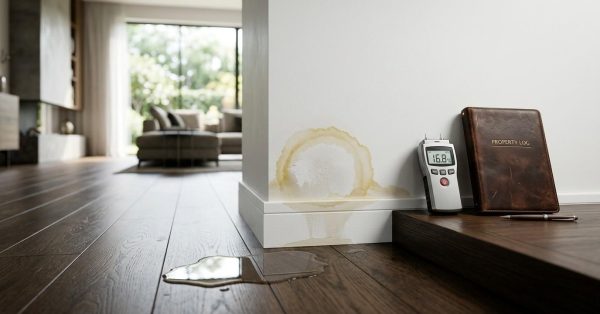
Drywall combines gypsum with paper facings on both sides. The paper acts as a sponge and a food source at once. Unlike sealed surfaces such as tile or metal, drywall absorbs water through its edges, joints, and seams. Even when the surface looks dry, moisture can remain trapped behind the wall cavity. This hidden moisture allows mold to grow inside the wall long before stains appear on the visible surface.
Once you understand how quickly the timeline moves, the focus shifts to response. Most cases at this stage call for professional water damage restoration to dry materials thoroughly and prevent hidden colonies from forming.
Conditions That Speed Up or Slow Down Mold Growth
Several factors influence whether mold appears closer to 24 hours or 72 hours. Warm rooms, poor airflow, and high indoor humidity push growth to the faster end of the range. Cooler temperatures, active ventilation, and dehumidifiers slow it. The source of water also matters. Clean water from a pipe leak behaves differently from gray or black water from sewage backups, which carry additional contaminants that feed mold.
Humidity, Temperature, and Air Circulation
Indoor humidity above 60% creates surface conditions where spores activate even without direct water contact. Stagnant air traps moisture against the wall, while running fans or HVAC systems pull humidity out of materials. Long-term indoor humidity control is one of the most effective ways to prevent recurring mold issues, especially in basements, bathrooms, and laundry areas.
What to Do If Drywall Stays Wet Longer Than 48 Hours
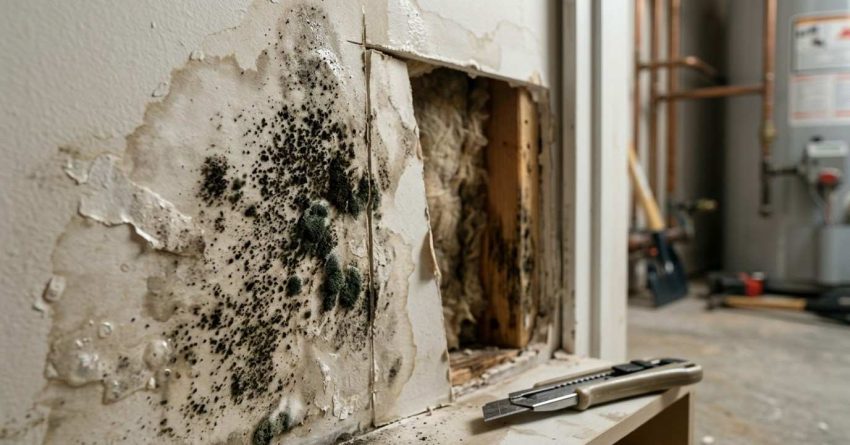
If drywall has been wet for more than two days, assume mold growth has started. Visible signs include dark spots, musty odors, soft or sagging panels, and discoloration that spreads outward from the water source. At this stage, drying alone is not enough. Affected drywall usually requires removal at least 12 inches above the visible damage line to ensure no hidden colonies remain inside the wall cavity. After remediation, drywall repair and replacement restores the wall structure, finish, and insulation behind it.
<!– INTERNAL LINK SUGGESTION: Replace with your actual URL for the page covering drywall repair and replacement services. If this page does not exist, consider creating it. –>
Conclusion
Black mold grows on wet drywall within 24 to 48 hours, making fast drying and inspection essential after any leak, flood, or humidity spike.
For homeowners and property managers, acting within this window protects indoor air quality, structural integrity, and long-term property value across every season.
We at Mr. Local Services connect you with vetted water damage and drywall specialists who respond fast, contain the damage, and restore your property with confidence.
Frequently Asked Questions
Can black mold grow on drywall in less than 24 hours?
Visible mold rarely appears under 24 hours, but spore activation begins almost immediately when drywall stays wet, warm, and unventilated.
Does drywall always need replacement after mold growth?
Not always. Surface mold on painted drywall can sometimes be cleaned, but mold that penetrates the paper or core requires full panel replacement.
How can I tell if mold is growing inside the wall?
Common signs include musty odors, peeling paint, warped drywall, discoloration, and unexplained allergy symptoms in occupants near the affected area.
Will drying out wet drywall stop mold from forming?
Drying within 24 hours can prevent growth. After 48 hours, drying alone usually fails because spores have already anchored inside the paper.
Is black mold on drywall dangerous to my health?
Yes. Prolonged exposure may trigger respiratory issues, allergies, and irritation, especially for children, seniors, and people with asthma or weak immunity.