Water dries up quickly when you combine highly absorbent materials with strong airflow and heat. Towels, microfiber cloths, baking soda, kitty litter, and silica gel pull moisture fast, while fans, dehumidifiers, and warm air finish the job. The right method depends on the surface, the volume of water, and how fast you act. For homeowners and property managers, speed matters because lingering moisture causes warping, staining, and mold within 24 to 48 hours.
Fastest Ways to Dry Up Water Quickly
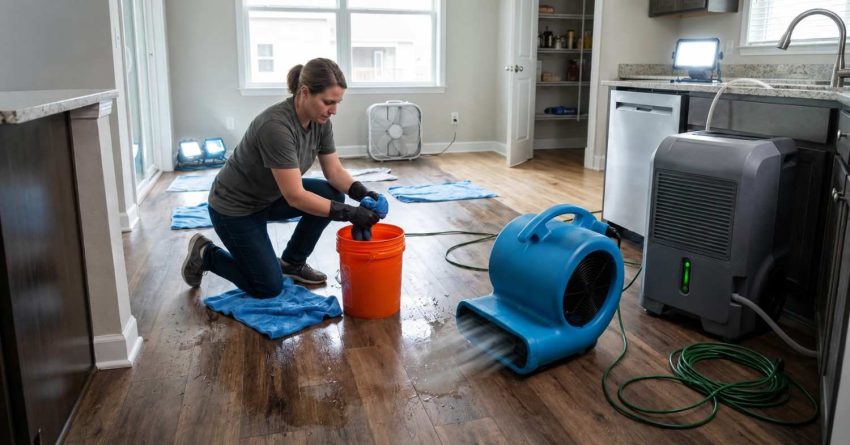
The fastest way to dry up water is to absorb the bulk first with thick towels or a wet/dry vacuum, then pull remaining moisture out using a dehumidifier and box fans aimed across the wet surface. Add gentle heat and open windows for airflow. Most small spills dry within one to three hours using this combination.
This layered approach works because water leaves a surface in two stages: visible pooling and hidden saturation. You handle the first with absorption and the second with evaporation. Skipping either stage leaves moisture trapped in flooring, drywall, or subfloor, where damage develops silently.
Absorbent Materials That Pull Water Fast
Cotton towels and microfiber cloths absorb up to seven times their weight in water, making them the first line of defense for spills on hard floors, countertops, and upholstery. For deeper saturation, baking soda and uncooked rice draw moisture from carpets and small electronics. Silica gel packets and kitty litter handle confined spaces like cabinets, basements, and closets. Cat litter is especially useful for garage and driveway puddles because it absorbs and weighs down standing water within minutes.
Airflow and Heat Acceleration
After absorption, evaporation finishes the work. Box fans and oscillating fans cut drying time in half by moving moist air away from wet surfaces. Dehumidifiers pull airborne moisture out of the room, preventing it from settling back into floors and walls. Warm, dry air evaporates water faster than cool air, so running a furnace, space heater, or air conditioner alongside fans accelerates the process. For sealed rooms, a dehumidifier alone can dry a damp space in 6 to 12 hours.
The methods above handle everyday spills and small leaks. Larger volumes of water, hidden saturation behind walls, or floods require professional water damage restoration to prevent structural and health risks.
When Water Drying Becomes a Property Emergency
Water drying becomes an emergency when the source is unknown, the volume exceeds what towels and fans can handle, or moisture has reached subfloors, drywall, or insulation. At that point, drying is no longer a cleanup task. It is a restoration project that protects the property from rot, mold, and structural failure. Acting within the first 24 hours is critical because mold begins forming between 24 and 48 hours after water exposure, and preventing mold after moisture exposure requires complete drying, not surface drying.
Signs You Need Professional Water Damage Help
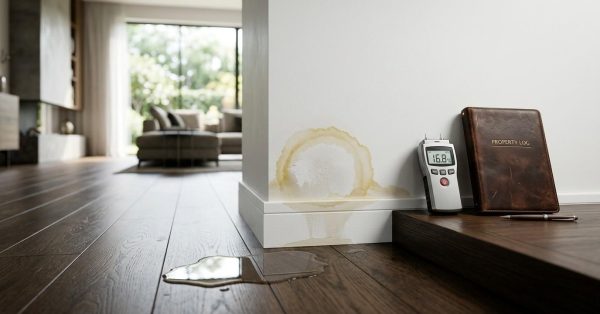
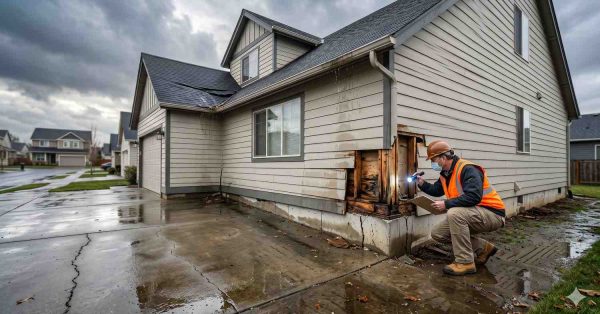
Call a professional when you see standing water more than an inch deep, water stains spreading across ceilings, soft or buckling flooring, musty odors, or visible mold. Sewage backups, burst pipes inside walls, and storm flooding always need expert response. Restoration teams use industrial dehumidifiers, moisture meters, and infrared cameras to locate hidden water and dry the structure properly.
DIY Drying vs. Professional Restoration
DIY drying works for clean spills under a few gallons on non-porous surfaces. Towels, fans, and a dehumidifier handle these situations well. Professional restoration is needed when water has soaked into porous materials, traveled through walls, or come from contaminated sources. Professionals dry the structure to industry moisture standards, not just visible dryness, which prevents the slow damage that causes thousands in repairs months later.
Conclusion
Drying water quickly comes down to absorbing fast, moving air across wet surfaces, and reducing humidity. Choose materials and tools that match the spill size and surface type.
For homeowners and property managers, speed protects property value. Acting within hours, not days, prevents warped floors, damaged drywall, and mold problems that grow into expensive repairs.
When water damage exceeds what towels and fans can handle, we connect you with trusted local experts at Mr. Local Services. Contact us today for fast, reliable water damage solutions.
Frequently Asked Questions
What absorbs water the fastest?
Microfiber cloths and thick cotton towels absorb water fastest on surfaces. For deeper moisture, silica gel, baking soda, and kitty litter pull water from materials and confined spaces efficiently.
How long does it take to dry water from carpet?
Small carpet spills dry in 6 to 12 hours with fans and a dehumidifier. Heavy saturation can take 24 to 72 hours and often requires professional extraction equipment.
Does baking soda dry water quickly?
Yes. Baking soda absorbs moisture from carpets, fabrics, and small spaces. Sprinkle it on damp areas, leave it for several hours, then vacuum it up for noticeable drying results.
Will a fan dry water faster than air drying?
Yes. A fan speeds drying by two to three times compared to still air. Combined with a dehumidifier, fans cut drying time significantly on floors, walls, and upholstery.
When should I call a water damage professional?
Call a professional for standing water, sewage backups, burst pipes, storm flooding, or any moisture inside walls or subfloors. Quick response prevents mold growth and structural damage.