A water-damaged ceiling can collapse in as little as a few hours under heavy active flooding, or take 24 to 72 hours with steady leaks. The timeline depends on water volume, ceiling material, and how saturated the structure becomes. A sagging, bubbling, or dripping ceiling is already in a danger zone. Acting fast protects your home, your belongings, and the people inside it. Knowing the warning signs and response window gives homeowners and property managers the control they need.

How Long Before a Water-Damaged Ceiling Collapses?
A saturated drywall ceiling typically collapses within 24 to 72 hours of sustained water exposure. Active flooding from a burst pipe can trigger collapse in under two hours. Plaster ceilings hold longer but fail suddenly. Once visible sagging or bulging appears, structural failure is often imminent and the area should be cleared immediately.
Minor Leaks vs. Active Flooding Timelines
A small, slow drip from a roof or supply line may not threaten the ceiling for days or even weeks, but the damage compounds quietly. Insulation absorbs moisture, drywall softens, and fasteners weaken. Active flooding behaves differently. A burst pipe or overflowing tub can dump gallons of water into a ceiling cavity in minutes. Drywall begins sagging within 30 to 60 minutes and can give way before the room is even fully wet.
Warning Signs That Collapse Is Imminent
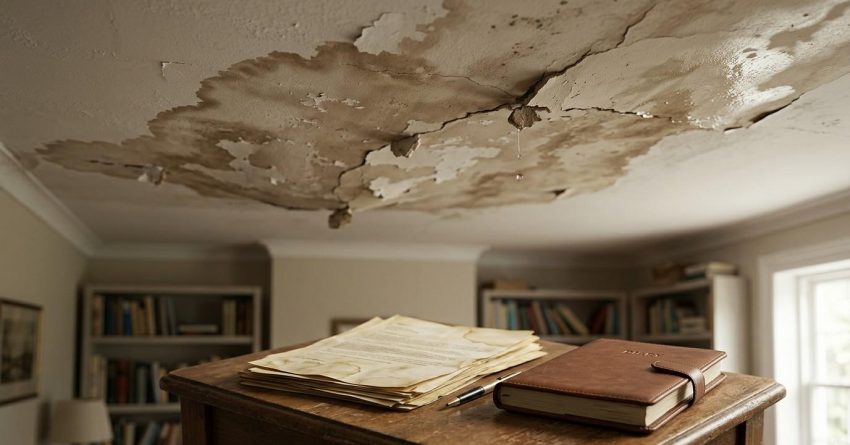
Visible sagging, bulging pockets, or a heavy bubble of trapped water are urgent red flags. Brown rings that grow daily, paint peeling in sheets, or cracks spreading across a ceiling all signal advanced saturation. A ceiling that creaks, groans, or sheds bits of plaster is under structural stress. If water is actively dripping through, assume collapse is possible at any moment and evacuate the room.
Knowing the timeline is one part of the picture. Stopping the damage requires professional water damage restoration that addresses the source, dries the cavity, and stabilizes the structure before repairs begin.
What Affects How Quickly a Ceiling Fails
Several variables decide whether a ceiling holds for hours or days. Water volume is the biggest factor. A continuous flow saturates faster than intermittent drips. Material matters too. Standard half-inch drywall fails faster than thicker plaster and lath. Insulation in the cavity acts like a sponge, holding water against the ceiling and accelerating breakdown. Older homes with original plaster often resist longer but fail without warning. The water source also shapes the timeline. A slow roof leak following a storm behaves very differently than a ruptured supply line, and a roof leak inspection often reveals the upstream cause before more damage spreads.
Drywall, Plaster, and Insulation Saturation Points
Drywall loses structural integrity once it absorbs roughly 50% of its weight in water. Plaster takes longer but cracks and separates from lath when soaked. Wet insulation rarely dries on its own and continues feeding moisture into the ceiling for days, multiplying the collapse risk.
What to Do When You Spot Ceiling Water Damage
Shut off the water source first. If a fixture or pipe above is leaking, close the supply valve. Move furniture and electronics out of the room and place buckets under active drips. Do not stand directly beneath a sagging ceiling. If the bulge is large, puncture it carefully from the side with a screwdriver to release trapped water in a controlled way. Then call a licensed professional. Drying the cavity, replacing saturated insulation, and completing the drywall and ceiling repair work requires the right equipment and trained hands.
Conclusion
A water-damaged ceiling can fail in hours or days, but every visible warning sign shortens the window. Acting quickly prevents collapse, protects belongings, and keeps your household safe.
Across the USA, homeowners and property managers who respond fast and work with qualified professionals consistently avoid the costliest outcomes of water damage.
If you spot ceiling damage, don’t wait. Contact Mr. Local Services today to connect with trusted water damage and ceiling repair pros near you.
Frequently Asked Questions
Can a ceiling collapse from a small leak?
Yes, over time. A slow leak saturates drywall and insulation gradually, and a ceiling can collapse after days or weeks of unaddressed dripping.
Is a sagging ceiling always going to fall?
Not always, but a sagging ceiling is in active failure. Without immediate drying and structural assessment, collapse becomes increasingly likely within hours.
Should I poke a bulging water-filled ceiling?
Carefully, yes. Releasing trapped water through a small puncture from the side reduces weight and prevents a sudden, larger collapse onto the room below.
How much does it cost to repair a water-damaged ceiling?
Repairs typically range from $300 to $1,500, depending on size, material, and whether insulation, framing, or paint also need replacement after drying.
Will homeowners insurance cover a collapsed ceiling?
Most policies cover sudden water damage from burst pipes or storms, but gradual leaks and poor maintenance are usually excluded. Check your specific policy terms.