To dry out a house after water damage, stop the water source, remove standing water, and run fans, dehumidifiers, and open windows to circulate air for several days. Speed matters because mold can begin growing within 24 to 48 hours. Acting fast protects your floors, walls, framing, and indoor air quality. The right combination of extraction, airflow, and moisture control restores your home safely and limits long-term structural damage.
How to Dry Out a House After Water Damage (Step-by-Step)
Drying a house after water damage requires four actions in order: shut off the water source, extract standing water, remove wet materials, and run dehumidifiers and fans continuously until moisture levels return to normal. Most homes need 3 to 5 days of active drying when handled promptly.
Stop the Water Source and Ensure Safety
Before anything else, identify and stop the water source. Shut off the main supply valve for plumbing leaks, or wait for floodwaters to recede. Turn off electricity to affected rooms at the breaker to prevent shock hazards. Wear waterproof boots and gloves, especially if the water came from a sewer backup or storm. Document the damage with photos for your insurance claim before moving anything. Safety always comes before speed.
Remove Standing Water Quickly
Use a wet/dry vacuum, sump pump, or mop and buckets to remove standing water as fast as possible. For larger volumes, a submersible pump moves water faster than a shop vac. Pull up soaked rugs and carpet padding, since padding rarely dries fully and traps moisture against the subfloor. Move furniture to a dry area and place aluminum foil under wooden legs to prevent staining. Every hour counts when materials are saturated.
Dry, Dehumidify, and Ventilate Affected Areas
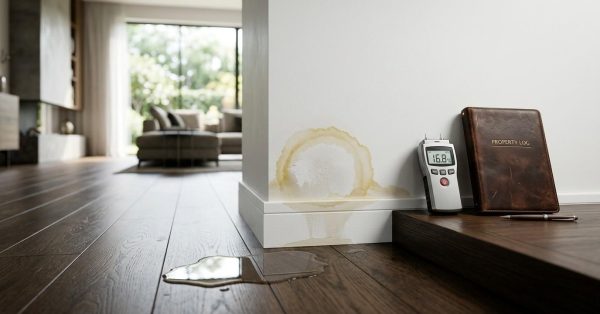
Once standing water is gone, set up high-volume air movers and dehumidifiers in every affected room. Open windows only if outdoor humidity is lower than indoor humidity. Pull baseboards and drill small holes in drywall to release trapped moisture inside wall cavities. A moisture meter helps you track progress in wood, drywall, and subfloors. Choosing the right dehumidifier for the room size makes drying noticeably faster.
The drying steps are clear. The harder questions involve preventing mold growth after flooding and knowing when household tools no longer cut it.
How Long Does It Take to Dry Out a House?
Most homes need 3 to 5 days of continuous drying with professional-grade equipment, though severe flooding can extend the process to two weeks or longer. Drying time depends on water volume, the materials affected, outdoor humidity, and how quickly extraction began. Hardwood floors, plaster walls, and insulated cavities take the longest. Stopping drying too early is one of the most common mistakes homeowners make. Hidden moisture behind walls or under flooring continues feeding mold growth long after surfaces feel dry to the touch.
Signs Your Home Is Fully Dry
Use a moisture meter rather than your senses. Wood should read 15% moisture or lower, and drywall should read close to surrounding undamaged areas. There should be no musty odor, no soft spots in flooring, and no condensation forming on walls or windows. Indoor humidity should sit between 30% and 50%. If any reading remains elevated, keep equipment running.
When to Call a Professional Water Damage Service
Call a professional if water covered more than one room, soaked through walls or ceilings, came from sewage or floodwater, or sat for more than 24 hours. These situations involve hidden moisture, contamination risks, and structural concerns that home equipment cannot fully address. Licensed restoration teams use industrial extractors, thermal imaging, and antimicrobial treatments to fully dry and sanitize the property. Professional water damage restoration also documents the work for insurance claims, which often makes the difference between a covered loss and an out-of-pocket expense.
Conclusion
Drying out a house after water damage comes down to fast extraction, strong airflow, and verified moisture levels before stopping equipment. Skipping any step risks mold and structural decay.
For homeowners and property managers, acting within the first 24 hours protects both the building and long-term property value across every kind of water event.
When the damage feels bigger than a wet/dry vacuum can handle, we connect you with vetted local pros at Mr. Local Services. Get help fast.
Frequently Asked Questions
Can I dry out a house myself after a small leak?
Yes, small leaks under one room can be handled with fans, dehumidifiers, and a wet/dry vacuum, provided you act within 24 hours and verify dryness with a moisture meter.
How fast does mold grow after water damage?
Mold can begin developing within 24 to 48 hours on wet drywall, wood, carpet, or insulation, which is why fast water removal and continuous drying are essential.
Should I open windows when drying my house?
Open windows only when outdoor humidity is lower than indoor humidity. Otherwise, keep windows closed and rely on dehumidifiers to pull moisture out of the air.
Will my insurance cover water damage drying costs?
Most homeowner policies cover sudden water damage like burst pipes, but flood damage usually requires separate flood insurance. Document everything before cleanup begins.
Do I need to replace drywall after water damage?
Drywall that swells, crumbles, or stays wet beyond 48 hours typically needs replacement. Lightly damaged drywall may dry fully if airflow reaches the cavity behind it.