Building a log cabin is generally cheaper than building a traditional house, though the final cost depends heavily on size, materials, location, site conditions, and interior finish level. For budget-conscious homeowners and property managers exploring new construction, understanding where those cost differences come from is just as important as knowing the average price tags. Both options carry trade-offs that go beyond the initial build cost.
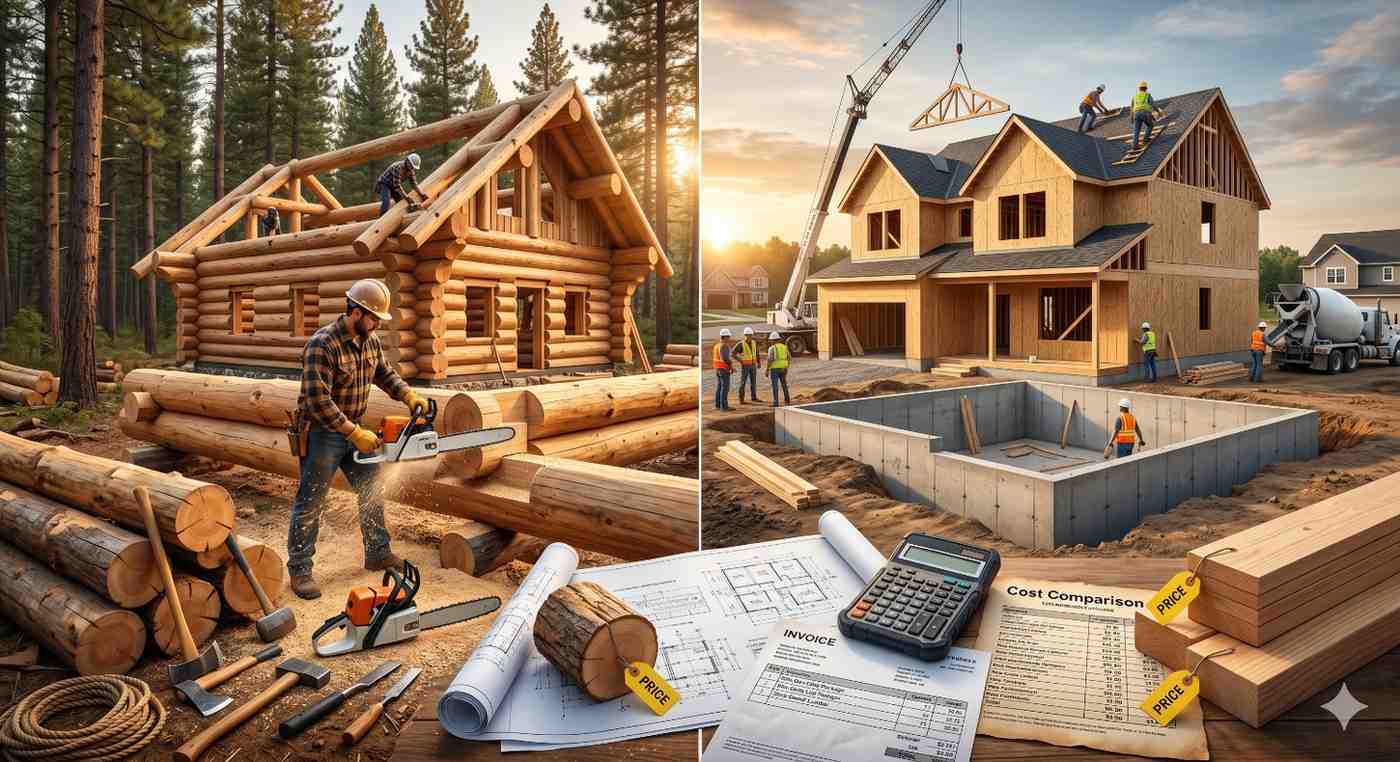
How the Costs of Building a Log Cabin Compare to a House
Log cabins cost less to build per square foot than conventional stick-frame homes in most regions. The structural simplicity of log construction, combined with lower labor requirements, keeps the baseline price lower. However, the gap narrows significantly when you factor in land preparation, utility connections, and interior finishes.
Average Cost to Build a Traditional House
The average cost to build a conventional single-family home in the United States ranges from $150 to $300 per square foot, depending on location, design complexity, and material quality. A 2,000-square-foot home typically costs between $300,000 and $600,000 to complete from foundation to finish. Custom designs, premium materials, and high-cost labor markets push that number higher. Structural framing, drywall, insulation, roofing, plumbing, and electrical systems each add significant cost layers to a traditional build.
Average Cost to Build a Log Cabin
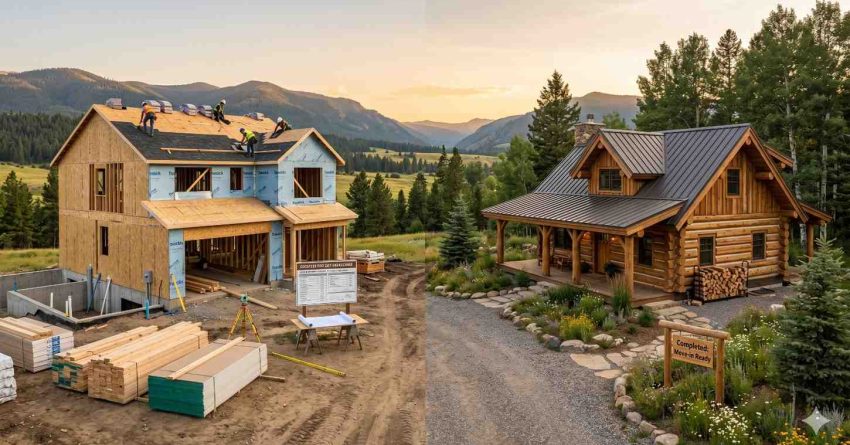
A standard log cabin runs between $100 and $200 per square foot for a pre-engineered kit or modular build, and between $175 and $350 per square foot for a fully custom handcrafted log home. A 1,500-square-foot log cabin can cost anywhere from $150,000 to $300,000 depending on log species, joinery method, and finish level. Pre-cut log kits reduce labor time and material waste, which is one of the primary reasons entry-level log cabin builds come in below comparable stick-frame construction.
When comparing alternative home construction options, the cost advantage of simpler structures becomes even more apparent — particularly for smaller footprints on rural or semi-rural land.
What Drives the Price Difference Between the Two
The raw per-square-foot numbers tell only part of the story. Several underlying cost factors determine whether a log cabin actually saves money over a traditional house in a specific situation.
Materials, Labor, and Construction Method
Log cabins use fewer distinct material categories than conventional homes. The logs themselves serve as both the structural frame and the exterior wall, eliminating the need for separate framing lumber, exterior sheathing, and siding. This consolidation reduces material costs and shortens the construction timeline. Labor costs are also lower for pre-engineered log kits, which arrive on-site ready to assemble. Custom handcrafted log homes, by contrast, require skilled craftspeople and significantly more on-site time, which can push labor costs above those of a traditional build.
Site Preparation, Permits, and Long-Term Costs
Site preparation costs apply equally to both construction types. Clearing land, grading, pouring a foundation, and connecting utilities carry similar price tags regardless of what goes on top. Permit costs vary by municipality but are generally comparable. Where log cabins can diverge in long-term cost is maintenance: logs require periodic sealing, staining, and chinking to prevent moisture intrusion and insect damage. Factoring in finishing and interior upgrade costs is essential for any accurate budget comparison, since a log cabin with a high-end interior can easily match or exceed the total cost of a modest traditional home.
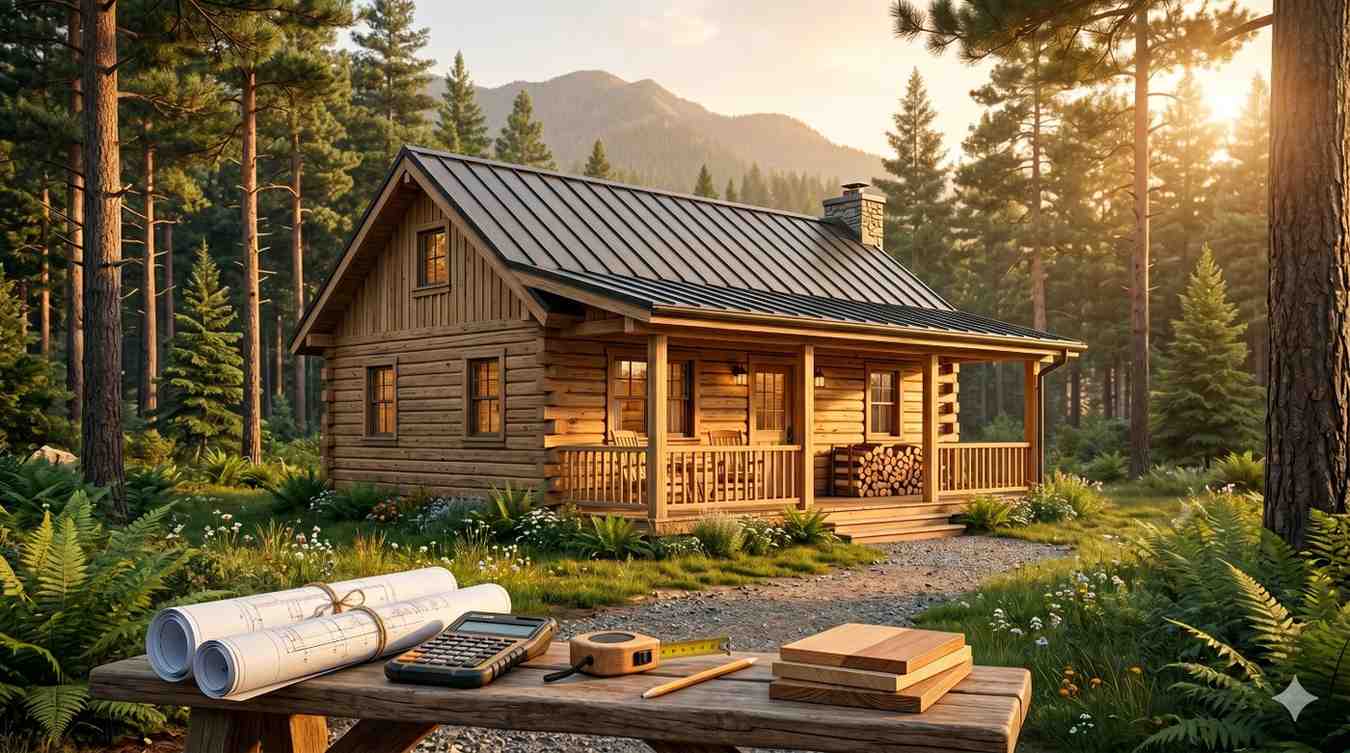
When a Log Cabin Is the More Affordable Choice
A log cabin delivers the clearest cost advantage in specific scenarios. Smaller footprints benefit most from the simplified material structure. Rural locations with lower labor costs and less regulatory complexity reduce both build time and permit expenses. Pre-engineered kit cabins on owner-prepared land represent the lowest-cost entry point for new construction. Buyers who plan to use the cabin as a vacation property or secondary residence often find the reduced square footage and simpler systems keep total costs well below a primary home build. For permanent residences requiring full utility systems, high insulation standards, and finished interiors, the cost gap between a log cabin and a traditional house shrinks considerably.
Conclusion
Log cabins are generally the more affordable build option, particularly at smaller sizes and in rural settings where land and labor costs are lower. The total cost difference depends on construction method, finish level, and site conditions rather than structure type alone. For homeowners planning any new build, renovation, or ongoing maintenance and upkeep of an existing property, having the right professionals in your corner makes every phase easier. At Mr. Local Services, we connect you with skilled, reliable experts who help you protect and improve your property from the ground up.
Frequently Asked Questions
How long does it take to build a log cabin vs. a house?
A pre-engineered log cabin kit can be assembled in three to six months. A traditional house typically takes six to twelve months. Custom log homes take longer, often matching or exceeding conventional build timelines.
Are log cabins cheaper to maintain than traditional homes?
Not always. Logs require regular sealing, staining, and chinking every three to five years. Traditional homes have lower exterior maintenance demands but higher costs for systems like HVAC and plumbing over time.
Can a log cabin be a permanent residence?
Yes. Log cabins built to residential code with full utility connections, proper insulation, and finished interiors function as permanent homes. Many owners live in log homes year-round without issue.
Do log cabins hold their value over time?
Well-maintained log cabins hold value comparably to traditional homes in rural and recreational markets. Location, condition, and maintenance history are the primary value drivers for both structure types.
What is the cheapest type of home to build?
Manufactured homes, modular homes, and small pre-engineered kit cabins are typically the most affordable new construction options. Per-square-foot costs for these builds often fall below both traditional stick-frame and custom log construction.