
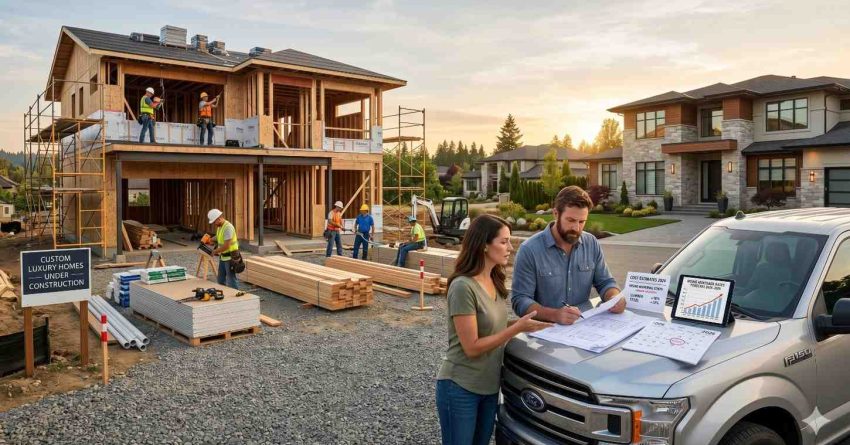
Waiting until 2026 to build a house is not automatically the right or wrong decision. It depends on where material costs are heading, what interest rates are doing, and how ready your finances and land are right now. Some homeowners will benefit from waiting. Others will lose money by delaying. Understanding the specific factors driving construction costs and builder availability in 2025 gives you the clearest picture of what timing actually means for your project and your budget.
What the 2025–2026 Construction Landscape Actually Looks Like
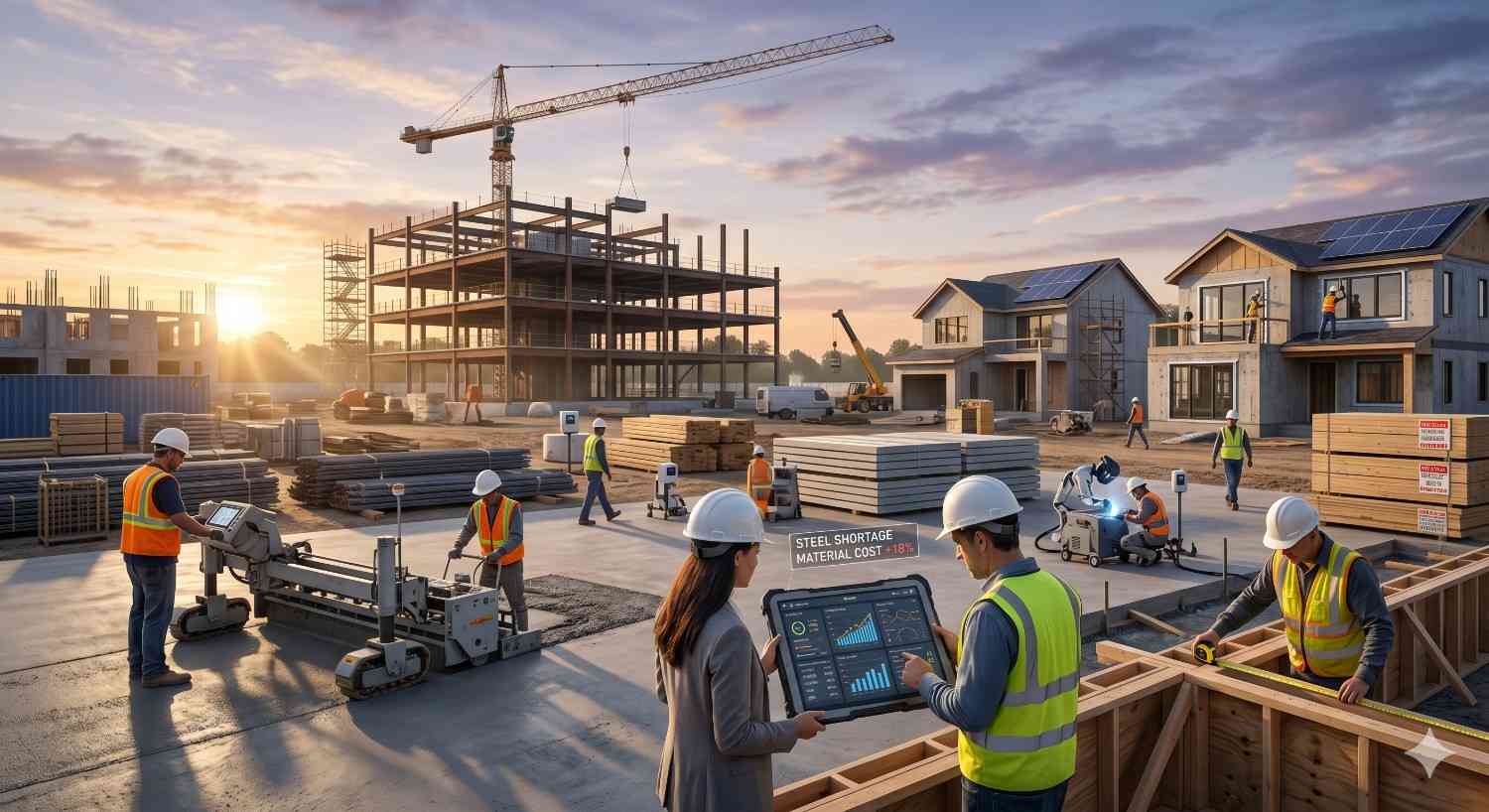
Building a house in 2025 or 2026 means navigating a market that is still stabilizing after years of supply chain disruption, labor shortages, and interest rate volatility. Costs have not returned to pre-2020 levels, but the pace of increases has slowed. Whether 2026 brings meaningful relief depends on several interconnected factors that are worth examining individually.
Material Costs and Supply Chain Trends
Lumber, concrete, steel, and roofing materials remain elevated compared to historical averages. Supply chains have largely recovered from pandemic-era disruptions, but tariff pressures and regional demand continue to influence pricing. According to the National Association of Home Builders, material costs account for roughly 50% of the total cost to build a new home, making them one of the most significant variables in your timing decision. Analysts project modest softening in some categories through 2026, but no dramatic price collapse is expected. Waiting for a major cost drop may mean waiting indefinitely.
Labor Availability and Builder Timelines
Skilled labor shortages in residential construction have not resolved. Framers, electricians, plumbers, and finish carpenters remain in high demand across most markets. Builder backlogs that stretched to 12–18 months during peak demand have shortened in some regions but remain significant in high-growth areas. If you wait until 2026 to begin conversations with builders, you may still face a 6–12 month lead time before ground breaks. Starting the builder selection process now, even if construction begins in 2026, puts you ahead of that queue.
Remodeling an existing property follows a different cost and timeline structure than new construction, and for some homeowners it represents a more predictable path forward while the new build market continues to stabilize.
When Waiting Until 2026 Makes Financial Sense
Waiting makes sense when your financial position is not yet strong enough to absorb current construction costs and financing terms. Rushing into a build with insufficient reserves or a loan product that strains your monthly budget creates long-term risk that outweighs any short-term market advantage.
Interest Rates, Loan Products, and Financing Windows
Construction loan rates have followed broader interest rate trends, remaining higher than the historic lows seen in 2020 and 2021. If rate reductions materialize through late 2025 or into 2026, borrowing costs for construction-to-permanent loans could improve meaningfully. For a $400,000 build, even a one-point rate reduction translates to significant savings over a 30-year mortgage. If your credit profile needs strengthening, your land purchase is not yet finalized, or your savings reserve is below the recommended 10–20% contingency buffer, waiting gives you time to build a stronger financial foundation before committing.
When Building Now Is the Smarter Move
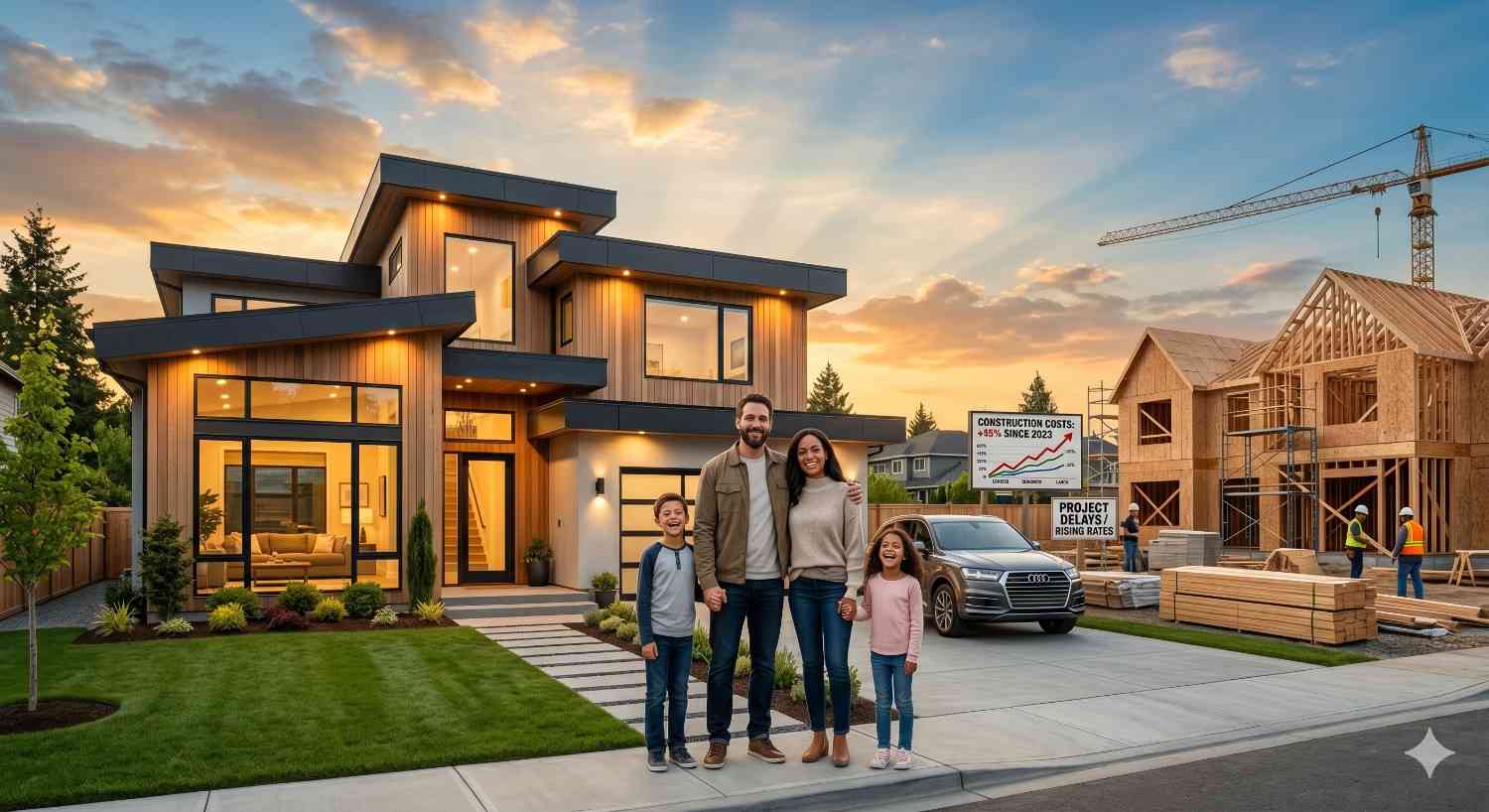
Building now makes sense when your finances are ready, your land is secured, and your local builder market still has capacity. Waiting in a high-demand area with limited builder availability may push your project further into a competitive window where costs have not dropped but timelines have lengthened. If you have already locked in a lot, secured pre-approval, and identified a reputable builder with availability, delaying introduces new variables without guaranteed savings. Rental costs, rising land values, and the opportunity cost of not living in your home also factor into the real price of waiting. For homeowners who are ready, preparing your property for construction now keeps the project on schedule and avoids costly delays once ground breaks.
Conclusion
Whether 2026 is the right year to build depends on your financial readiness, local builder availability, and how material and interest rate trends develop over the next 12 months. There is no universal answer, but there is a clear framework for making the decision with confidence.
Homeowners and property managers who take time now to assess their land, finances, and service needs will be better positioned regardless of when construction begins. Pre-build maintenance and repairs on existing structures can protect your investment while you finalize your timeline.
At Mr. Local Services, we help homeowners and property managers navigate every stage of property preparation, improvement, and maintenance. Contact us today to get started.
Frequently Asked Questions
Will construction costs go down in 2026?
Modest softening in some material categories is possible, but a significant price drop is unlikely. Most analysts expect costs to remain elevated relative to pre-2020 levels through 2026.
How long does it take to build a house from start to finish?
Most new single-family homes take 7 to 16 months to complete, depending on design complexity, permit timelines, builder availability, and weather conditions in your region.
Should I lock in a builder contract now or wait?
If you have found a reputable builder with availability, locking in now protects your timeline and pricing. Builder capacity in high-demand markets continues to tighten heading into 2026.
What home features add the most long-term value?
Energy-efficient systems, updated kitchens and bathrooms, durable roofing, and functional outdoor spaces consistently deliver strong returns on investment for residential properties.
How do I prepare my property for a new build project?
Start by finalizing land surveys, clearing permits, and assessing any existing structures that need removal or repair. Engaging a property services professional early prevents costly delays once construction begins.


