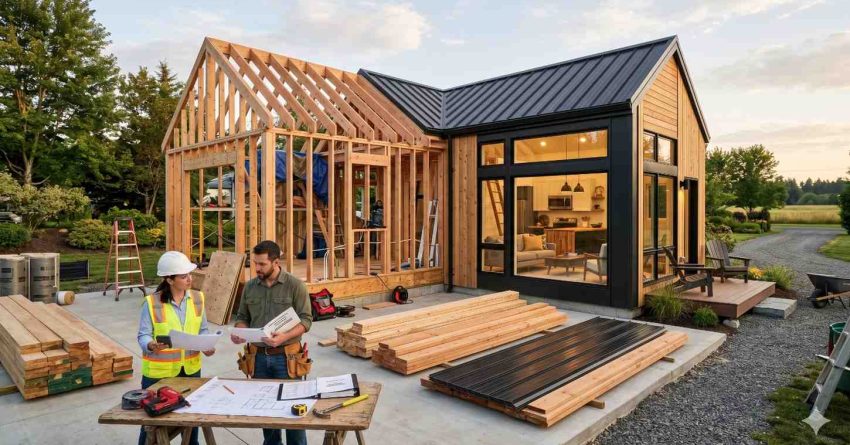
Building a 20×20 tiny house typically costs between $30,000 and $90,000, depending on construction method, materials, location, and interior finishes. At 400 square feet, this size sits at the upper range of tiny home builds, offering enough space for a functional one-bedroom layout while still keeping costs well below a traditional home. Your final number depends heavily on whether you hire a contractor, manage subcontractors yourself, or take the DIY route.
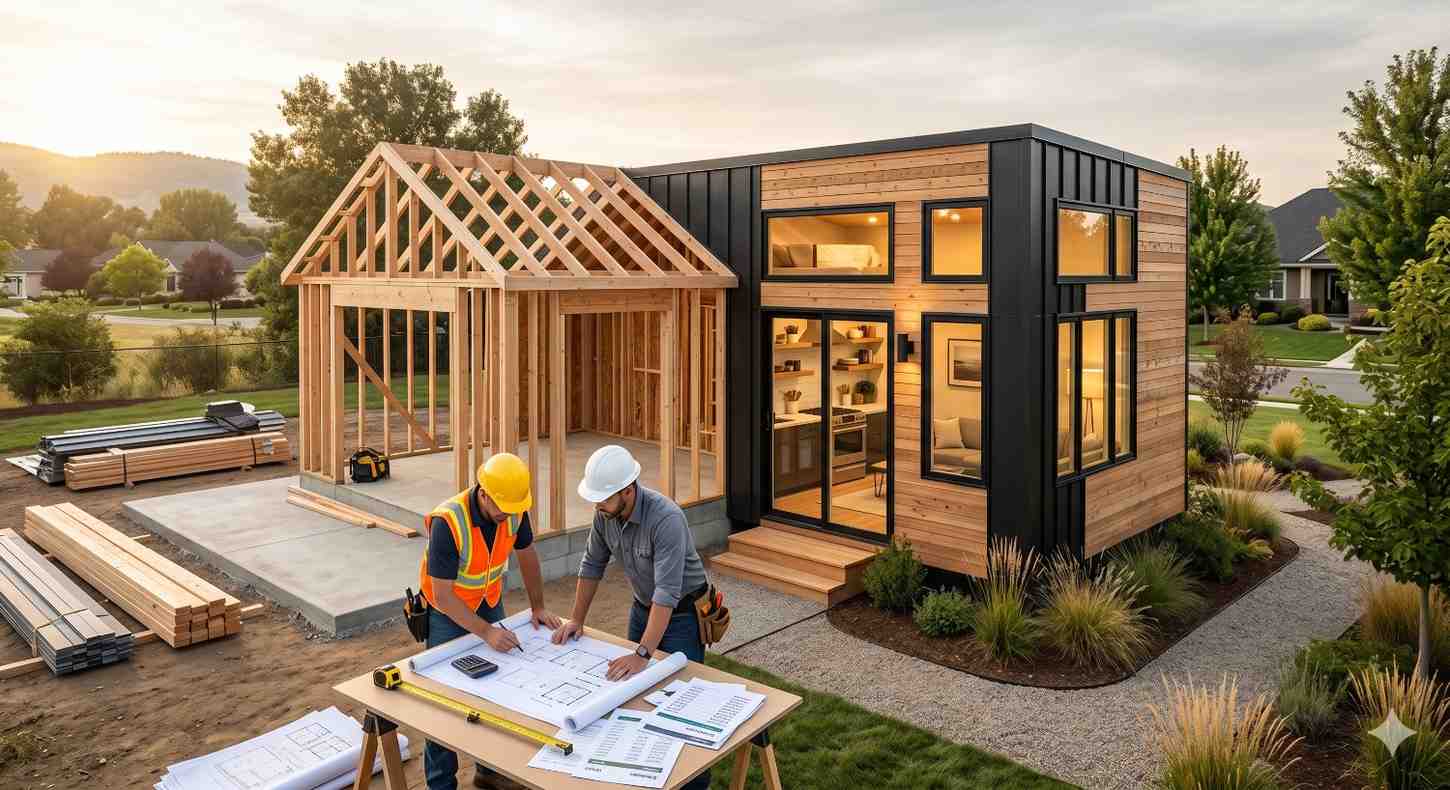
What Does It Cost to Build a 20×20 Tiny House?
A 20×20 tiny house costs between $30,000 and $90,000 to build from the ground up. DIY builds with basic finishes can land closer to $30,000 to $45,000. Hiring a general contractor for a fully finished, move-in-ready structure typically runs $60,000 to $90,000 or more. The 400-square-foot footprint makes this one of the more spacious tiny home configurations, which adds both material volume and labor hours compared to smaller builds.
Cost by Construction Method: DIY vs. Contractor-Built
DIY builds offer the most savings but require significant skill, time, and access to tools. A self-managed build using standard lumber framing, basic insulation, and mid-range fixtures typically costs $35,000 to $50,000 in materials alone. Contractor-built options range from $60,000 to $90,000 for a turnkey result, with some custom or high-end builds exceeding $100,000. Prefabricated or modular tiny home kits offer a middle path, often priced between $20,000 and $50,000 for the shell, with finishing costs added separately.
Key Materials and Labor Breakdown
Material and labor costs for a 20×20 tiny house generally divide as follows. Framing lumber and structural materials account for roughly $8,000 to $15,000. Roofing adds $3,000 to $7,000 depending on pitch and material choice. Electrical rough-in and panel installation typically runs $4,000 to $8,000. Plumbing for a basic bathroom and kitchen ranges from $3,500 to $7,000. HVAC installation adds another $3,000 to $6,000. Interior finishes including flooring, cabinetry, and fixtures vary widely, from $5,000 for budget options to $20,000 or more for custom work.
Tiny home construction services cover the full scope of this work, from structural framing through final interior installation, and understanding what each phase includes helps you budget more accurately before breaking ground.
What Factors Affect the Final Price of a 20×20 Tiny House?
The base build cost is only part of the picture. Several site-specific and design-related factors push the final number up or down significantly.
Site Preparation, Foundation, and Utility Connections
Before a single wall goes up, the land must be ready. Site preparation and foundation work for a 20×20 structure includes grading, excavation, and either a concrete slab, pier foundation, or crawl space, adding $5,000 to $15,000 depending on soil conditions and local requirements. Connecting to municipal water, sewer, and electrical service adds another $3,000 to $10,000 in most areas. Properties in rural locations or on uneven terrain typically sit at the higher end of this range.
Interior Finishes, Systems, and Customization
Interior choices drive more cost variation than almost any other factor. Standard vinyl plank flooring costs a fraction of hardwood. Stock cabinetry runs far less than custom millwork. Upgrading to a mini-split HVAC system, tankless water heater, or smart home features adds $2,000 to $8,000 beyond basic installations. Buyers who prioritize energy efficiency through spray foam insulation, double-pane windows, and high-efficiency appliances often spend 10 to 20 percent more upfront but reduce long-term operating costs.
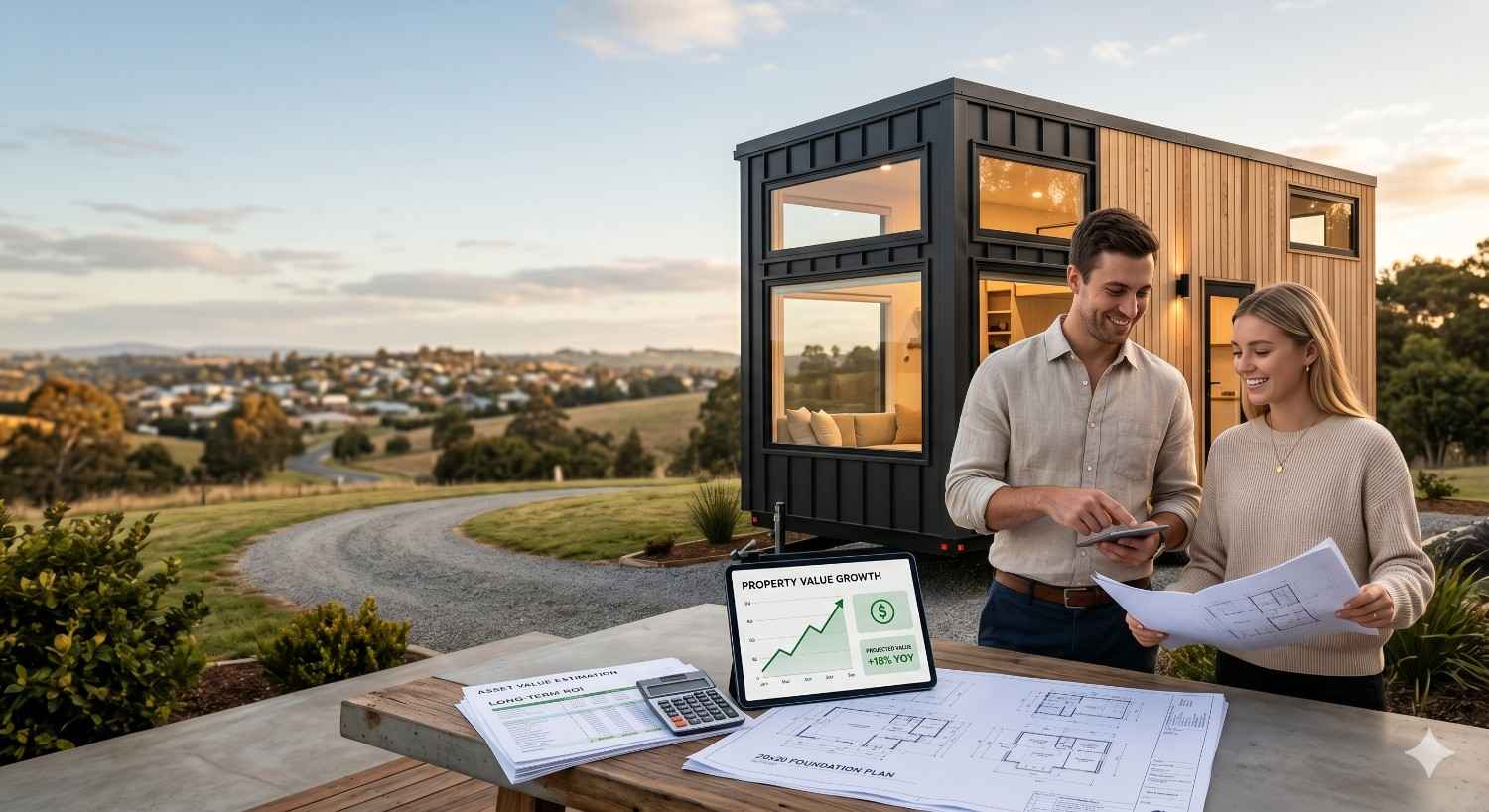
Is a 20×20 Tiny House Worth the Investment?
For homeowners, landlords, and property managers, a 20×20 tiny house offers strong value in the right context. As an accessory dwelling unit (ADU), it can generate rental income that offsets build costs within several years. As a guest house or in-law suite, it adds functional square footage without the cost of a full addition. Resale value depends heavily on local zoning, build quality, and whether the structure is permitted and code-compliant. A well-built, properly permitted 20×20 tiny house adds measurable value to a property.
Conclusion
Building a 20×20 tiny house costs between $30,000 and $90,000, with the final number shaped by construction method, site conditions, and finish level.
For property owners weighing this investment, planning your overall build budget across all phases prevents costly surprises and keeps the project on track from start to finish.
At Mr. Local Services, we connect you with skilled professionals for every phase of your tiny home build, from site prep and framing to electrical, plumbing, and final finishes.
Frequently Asked Questions
How long does it take to build a 20×20 tiny house?
A contractor-built 20×20 tiny house typically takes 3 to 6 months from permit approval to completion. DIY builds often run longer, averaging 6 to 12 months depending on skill level and available time.
Can I build a 20×20 tiny house on a foundation?
Yes. A 20×20 tiny house can be built on a concrete slab, pier foundation, or crawl space. Foundation type affects both cost and long-term stability, with concrete slabs being the most common choice for permanent structures.
What permits do I need to build a 20×20 tiny house?
Most jurisdictions require building, electrical, plumbing, and mechanical permits. Zoning approval is also required in most areas. Requirements vary by location, so checking with your local building department before starting is essential.
How much does a 20×20 tiny house cost per square foot?
A 20×20 tiny house costs approximately $75 to $225 per square foot, depending on construction method and finish level. Contractor-built, fully finished structures typically fall between $150 and $225 per square foot.
What is the cheapest way to build a 20×20 tiny house?
The most cost-effective approach combines a DIY build with a prefabricated shell kit, basic finishes, and owner-managed subcontractors for electrical and plumbing. This approach can bring total costs down to $30,000 to $45,000 for a functional, livable structure.