The most common cause of water damage in homes is plumbing leaks and failures, including burst pipes, leaking supply lines, and faulty fittings. These hidden issues account for the majority of indoor water damage claims across the United States. Homeowners, landlords, and property managers face costly repairs when small leaks go unnoticed for weeks or months. Understanding where water damage starts is the first step toward protecting your property, lowering insurance risk, and avoiding emergency repairs that disrupt daily life and erode long-term property value.
The Most Common Cause: Plumbing Leaks and Failures
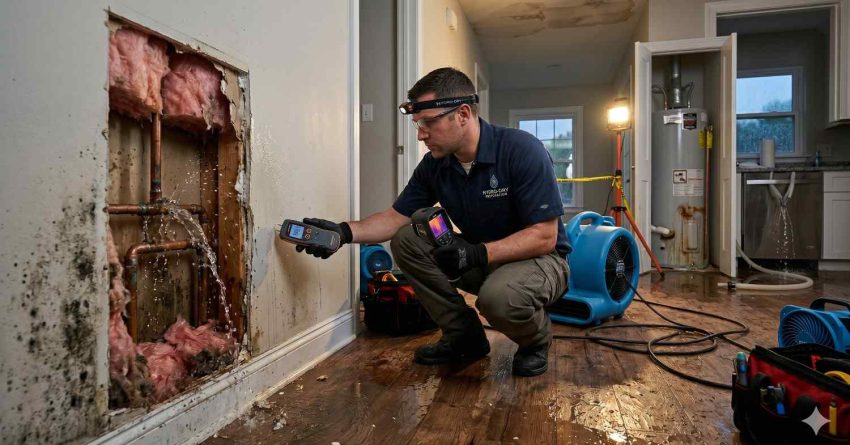
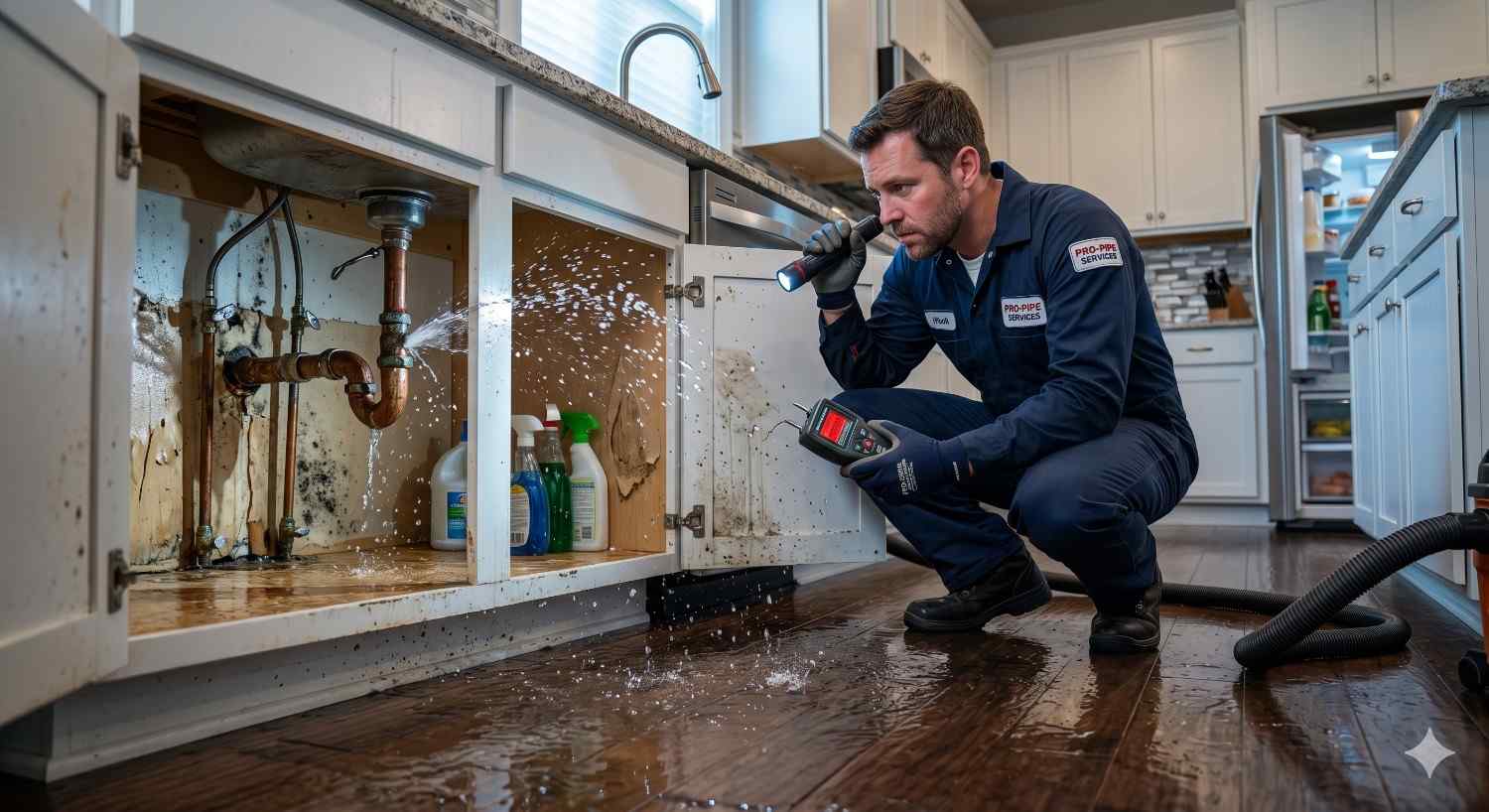
Plumbing system failures are the leading cause of residential water damage in the U.S., responsible for the largest share of insurance claims. Burst pipes, leaking supply lines, deteriorating fittings, and failing water heaters release significant amounts of water indoors, often without immediate signs, leading to structural damage, mold growth, and expensive restoration work.
Why Plumbing Issues Top the List
Plumbing runs through every part of a home: walls, ceilings, slabs, and crawlspaces. Most pipes are hidden, which means small leaks often go undetected until ceilings sag, floors warp, or utility bills spike. Aging supply lines, corroded copper, and worn rubber hoses on washing machines and dishwashers are frequent culprits. According to the Insurance Information Institute, water damage and freezing account for roughly 24% of all homeowners insurance losses, making plumbing the single largest source of preventable property claims.
Hidden Leaks vs. Sudden Bursts
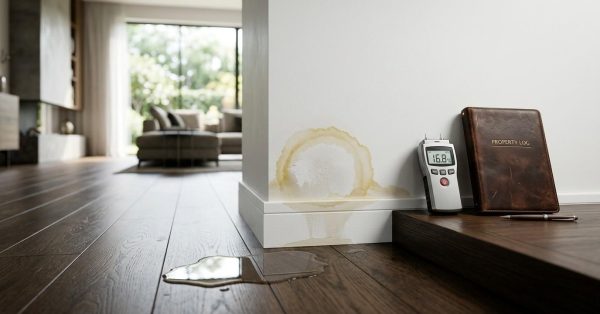
Hidden leaks cause slow, cumulative damage. A pinhole leak behind drywall can saturate insulation, rot studs, and feed mold for months before discovery. Sudden bursts, by contrast, release hundreds of gallons in minutes, often from frozen pipes, water heater failures, or supply hose ruptures. Both scenarios demand fast response, but hidden leaks usually cost more in long-term restoration because the damage spreads silently through floors, ceilings, and structural framing.
Knowing the cause is one piece of the picture. Acting quickly with professional water damage restoration is what limits the spread, prevents mold, and restores the property safely.
Other Leading Causes Homeowners Should Watch
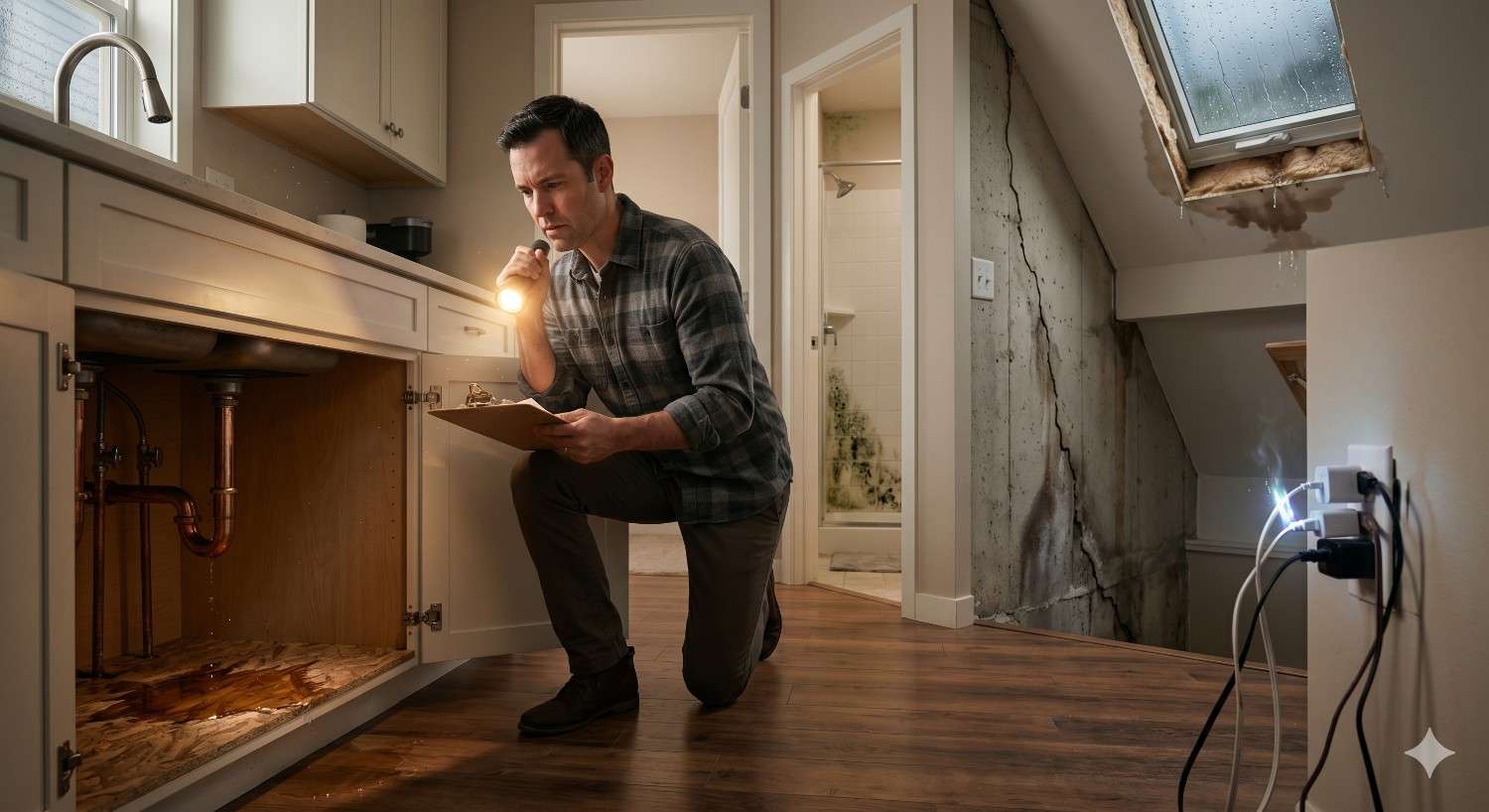
While plumbing leads the list, several other causes contribute heavily to property water damage. Roof failures, appliance breakdowns, and severe weather events round out the top sources homeowners and property managers encounter year after year.
Roof Leaks, Appliance Failures, and Weather Events
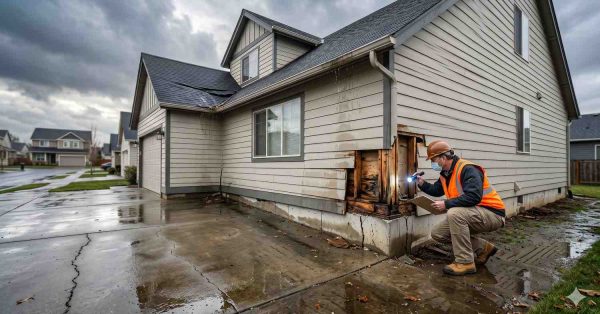
Roof leaks rank as the second most common source, especially in older homes with worn shingles, damaged flashing, or clogged gutters. Routine roof leak inspection and repair catches small failures before water reaches the attic or ceilings.
Appliance failures, including dishwashers, washing machines, refrigerators, and water heaters, follow closely. Storms, flash flooding, and ice dams add seasonal risk, particularly in regions with freezing winters or heavy rainfall. Each source demands different prevention measures, but all require timely attention to limit damage.
Early Warning Signs and Prevention
Catching water damage early saves thousands in repairs. Watch for stained ceilings, warped flooring, musty odors, peeling paint, and unexplained increases in your water bill. Inspect under sinks, behind toilets, and around water heaters monthly. Replace washing machine hoses every five years. Insulate exposed pipes before winter. Schedule annual inspections with trusted plumbing repair specialists to catch supply line corrosion, slow drips, and failing fixtures before they escalate into emergency-level damage.
Conclusion
Plumbing leaks and failures cause more residential water damage than any other source, with roof leaks, appliance breakdowns, and weather events following behind. Recognizing these risks early protects property value, prevents mold, and reduces costly emergency repairs for homeowners and property managers nationwide.
We connect you with vetted, reliable professionals fast. Call Mr. Local Services today for trusted water damage, plumbing, and home repair experts ready to protect your property.
Frequently Asked Questions
What percentage of water damage comes from plumbing?
Plumbing-related issues account for roughly half of all residential water damage claims, including burst pipes, leaking supply lines, fixture failures, and appliance hose ruptures across U.S. homes.
How quickly does water damage cause mold?
Mold can begin growing within 24 to 48 hours of water exposure, especially in warm, humid conditions and on porous materials like drywall, carpet, and insulation.
Does homeowners insurance cover water damage?
Most policies cover sudden, accidental water damage from plumbing or appliances. Gradual leaks, neglect, and flooding usually require separate flood insurance or specific endorsements.
What is the first thing to do after water damage?
Shut off the water source immediately, turn off electricity in affected areas, document damage with photos, and contact a licensed restoration professional within hours.
Can small leaks really cause major damage?
Yes. Slow, hidden leaks saturate framing, insulation, and subflooring over weeks, causing rot, mold, and structural weakening that often costs more to repair than sudden bursts.