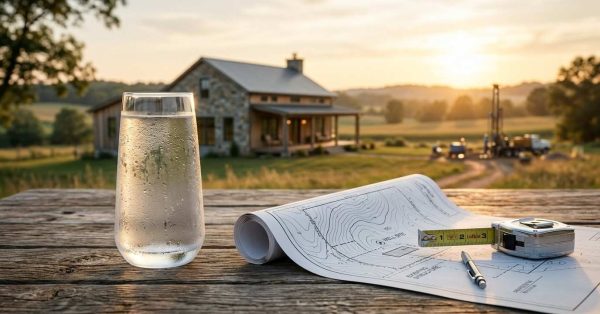
Standard homeowners insurance does not cover water damage caused by gradual leaks, poor maintenance, flooding from external sources, sewer backups, or ground seepage. Most policies only pay for sudden and accidental water damage from internal sources, such as a burst pipe or appliance failure. For homeowners, landlords, and property managers across the USA, understanding these exclusions is essential to avoiding denied claims, costly out-of-pocket repairs, and long-term property damage that quietly erodes your investment.
Water Damage Types Insurance Typically Excludes
Insurance excludes water damage that is gradual, preventable, or caused by external flooding. Standard policies will not pay for slow leaks, mold from neglect, sewer or drain backups, groundwater seepage, or flood damage from storms and overflowing bodies of water. Coverage typically requires the damage to be sudden, accidental, and from an internal source.
Gradual Leaks and Long-Term Seepage
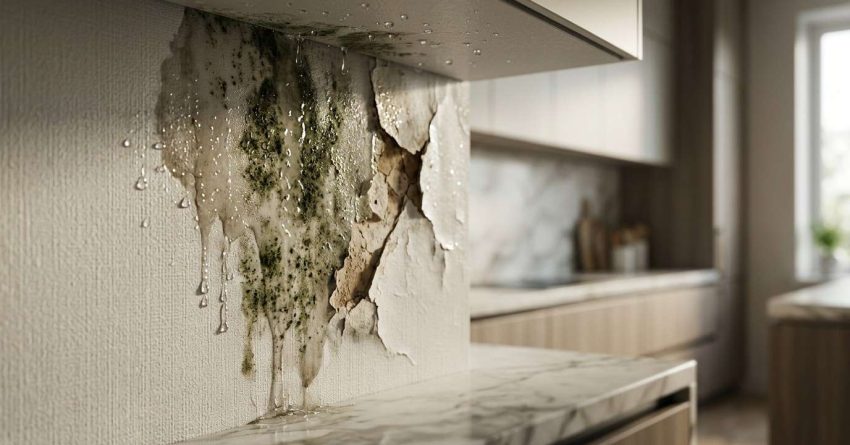
Slow leaks behind walls, under sinks, or beneath flooring are the most common excluded category. Insurers view these as maintenance issues, not accidents. A pinhole drip in a supply line that quietly damages drywall over months will almost always be denied. The same applies to leaking roofs, deteriorated caulking around tubs, failing window seals, and aging plumbing fixtures. Insurers expect homeowners to inspect, identify, and repair these problems early, treating prolonged moisture as the result of neglect rather than an unforeseen event worth covering.
Flood Damage from External Sources
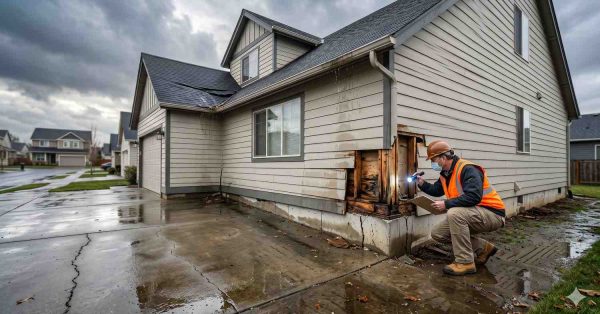
Flooding from rivers, heavy rainfall, storm surge, or rising groundwater is not covered by standard homeowners policies. This includes water that enters through the foundation, basement walls, or doors during severe weather. Protection requires a separate National Flood Insurance Program policy or private flood coverage. Sewer backups and sump pump failures are also excluded unless specific endorsements are added. Many homeowners discover this gap only after a loss, when remediation costs reach tens of thousands of dollars with no financial recourse.
The exclusions reveal a clear pattern: insurance covers accidents, not consequences of wear. Knowing when to call professional water damage restoration becomes essential the moment damage appears, regardless of coverage status.
Why Insurers Deny Water Damage Claims
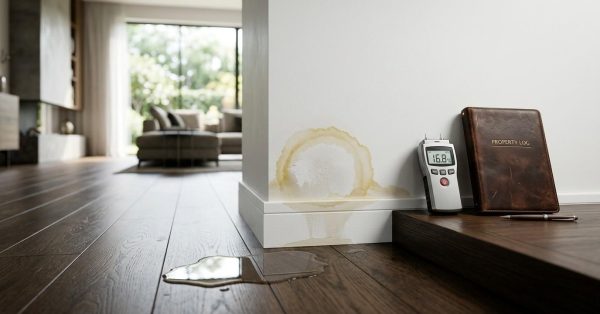
Most water damage denials come down to three factors: timing, source, and maintenance history. If damage developed slowly, originated from outside the home, or resulted from a known issue, the claim is almost certainly denied. Adjusters look for evidence such as stained baseboards, warped flooring, or visible mold, all signs the problem existed long before the claim was filed.
Negligence and Deferred Maintenance
Negligence is the most cited reason for denial. Failing to fix a dripping faucet, ignoring a soft spot on the ceiling, or postponing roof repairs gives insurers grounds to reject coverage. Timely hidden plumbing leak repairs and consistent inspections create the documentation trail that proves you acted responsibly when issues appeared.
How to Protect Your Property Beyond Insurance
Protecting your property starts with prevention. Schedule annual plumbing inspections, replace aging supply hoses on washers and dishwashers, and check water heaters for corrosion. Install water leak detectors near appliances and in basements. Clean gutters twice a year and grade soil away from the foundation. For high-risk areas, consider adding flood insurance and sewer backup endorsements. Keep dated records of all routine home maintenance inspections, repairs, and upgrades, since documentation strengthens any future claim and demonstrates that damage was not the result of neglect.
Conclusion
Insurance covers sudden, accidental water damage from internal sources but excludes gradual leaks, flooding, sewer backups, and damage tied to neglected maintenance or aging systems throughout the property.
Property owners who pair strong policies with consistent upkeep, leak detection, and timely repairs protect both their homes and long-term equity from costly surprises that insurance will never absorb.
We help you stay ahead of water damage with expert inspection, repair, and restoration. Contact Mr. Local Services today to connect with trusted professionals.
Frequently Asked Questions
Does homeowners insurance cover a slow plumbing leak?
No. Slow plumbing leaks are considered maintenance issues. Insurance covers sudden, accidental damage, not gradual deterioration that develops over weeks or months unnoticed.
Is mold from water damage covered by insurance?
Mold is covered only when caused by a covered water event. Mold from long-term leaks, humidity, or neglected maintenance is almost always excluded from standard policies.
Does insurance cover basement flooding?
Standard homeowners insurance does not cover basement flooding from groundwater or external sources. A separate flood policy or sump pump endorsement is required for protection.
Are burst pipes covered by homeowners insurance?
Yes. Burst pipes are typically covered because the damage is sudden and accidental. However, resulting damage from a pipe you knew was failing may be denied.
Does insurance cover sewer backup damage?
Sewer backups are not covered under standard policies. Most insurers require a specific sewer or water backup endorsement, which can be added for an additional premium.