Day: June 2, 2026

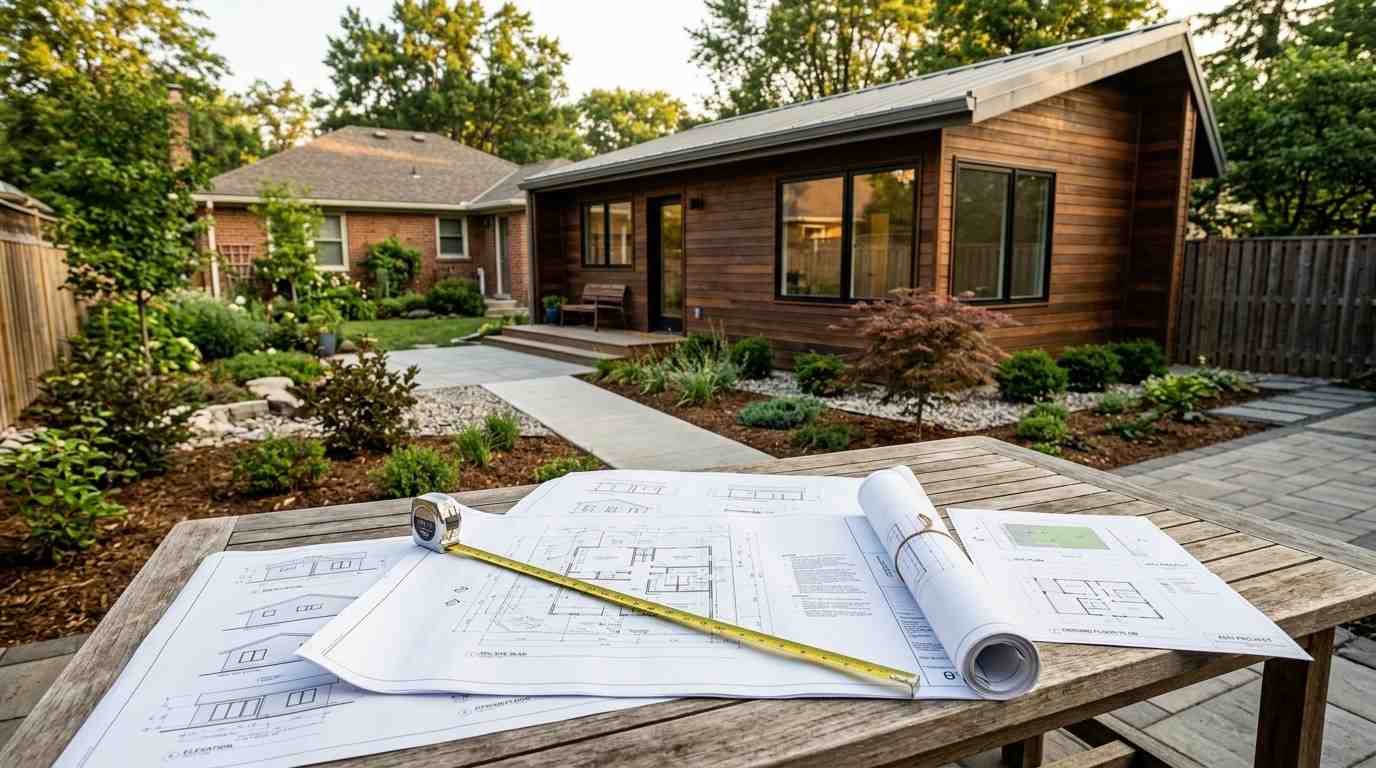
ADU construction plans and measuring tape on a table overlooking a completed backyard accessory dwelling unit with landscaped grounds.

Getting an ADU permit approved requires completing seven distinct steps — zoning research, design, application, plan

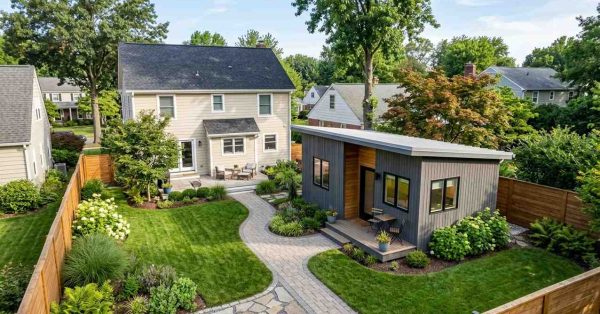
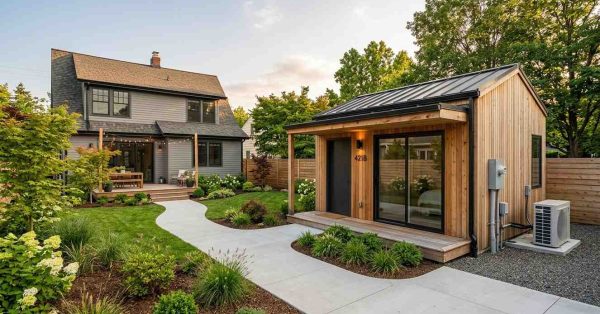
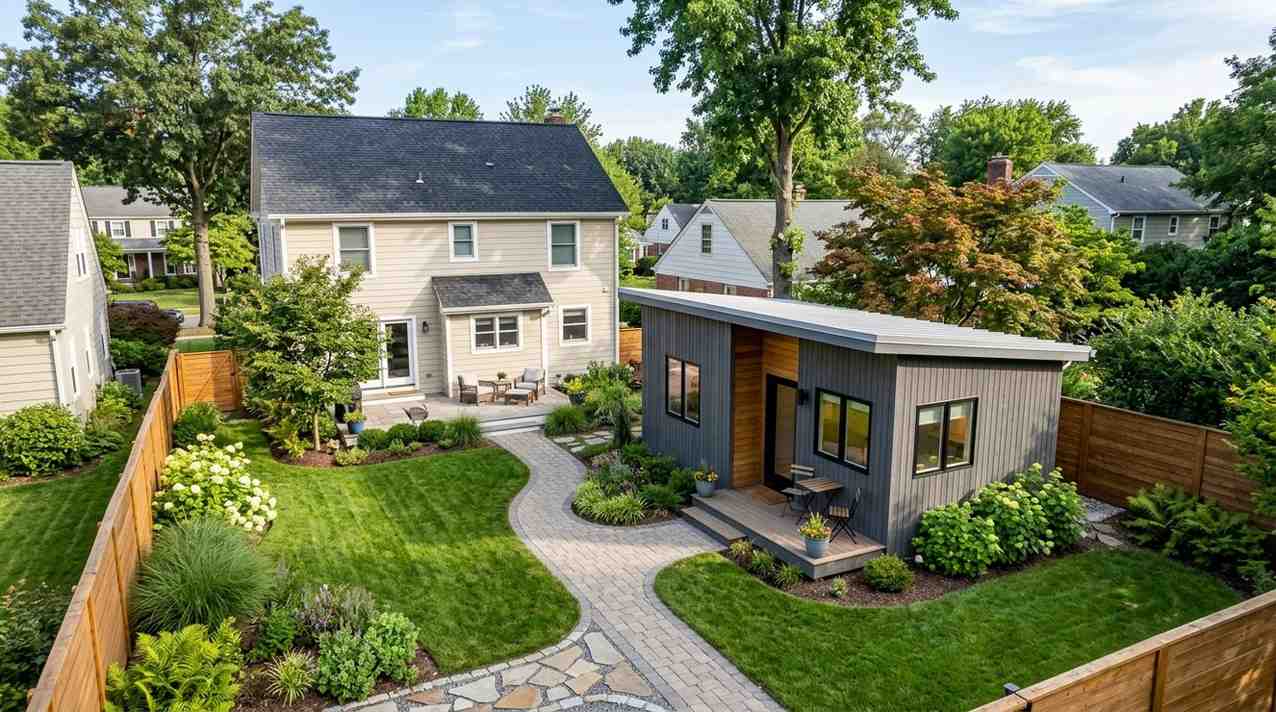
Modern backyard ADU with landscaped lawn, curved stone walkway, and main suburban home in the background.

  ADU zoning laws determine whether you can legally build an accessory dwelling unit on your

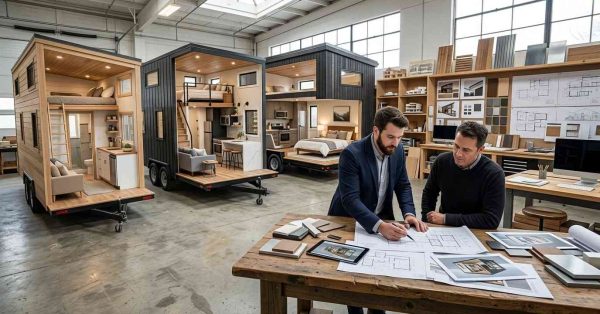
Male homeowner and male tiny house architect reviewing modern Tiny House on Wheels floor plans ranging from 200 to 400 square feet in a professional design studio.

THOW floor plans in the 200-400 sqft range offer some of the most versatile and livable

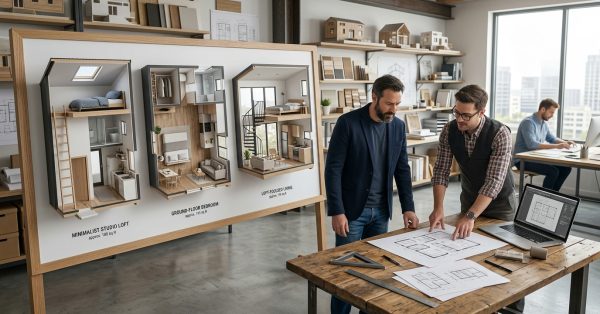
Male homeowner and male tiny house designer reviewing multiple Tiny House on Wheels floor plans under 200 square feet in a modern architectural design studio.

THOW floor plans under 200 sqft pack sleeping, cooking, bathing, and living into a compact footprint
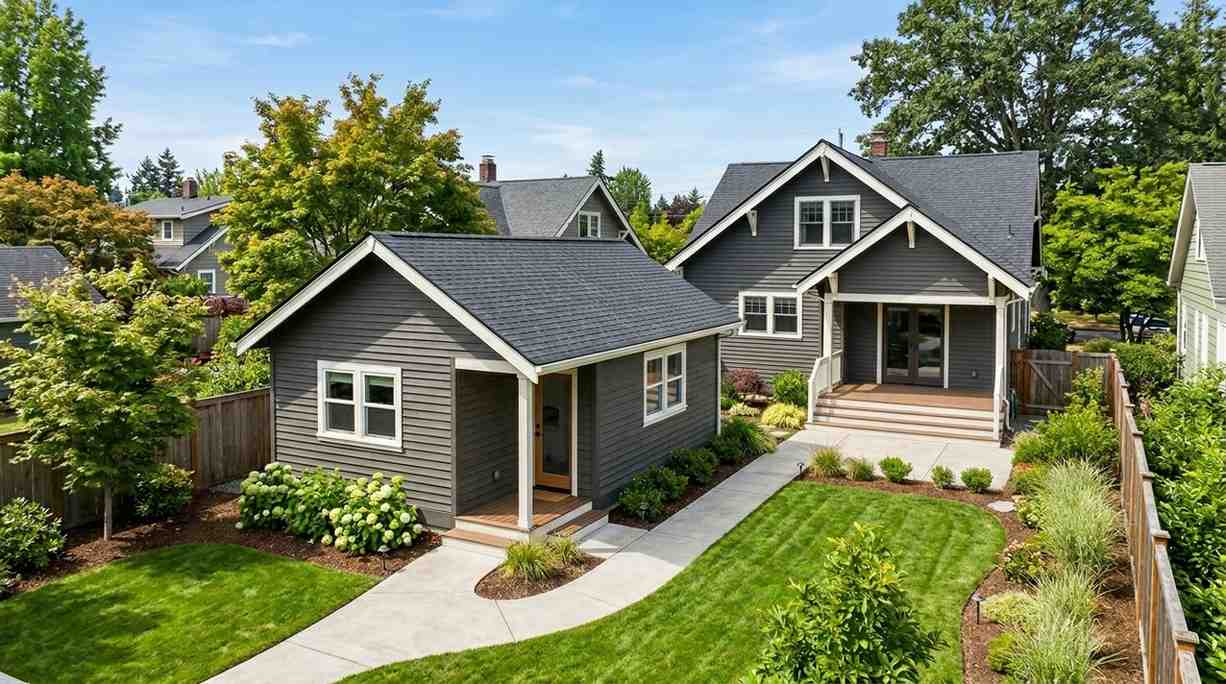
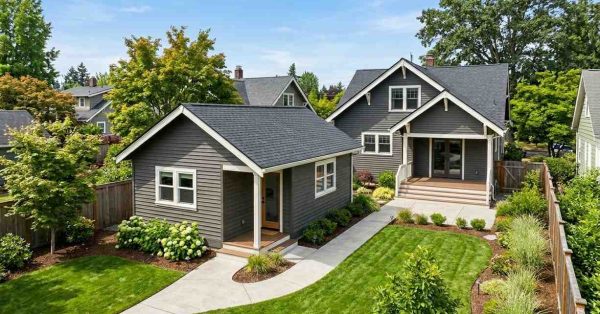
Backyard ADU with gray siding, landscaped lawn, and walkway connecting to the main house.

When your HOA says no but your state says yes, the legal answer depends on where
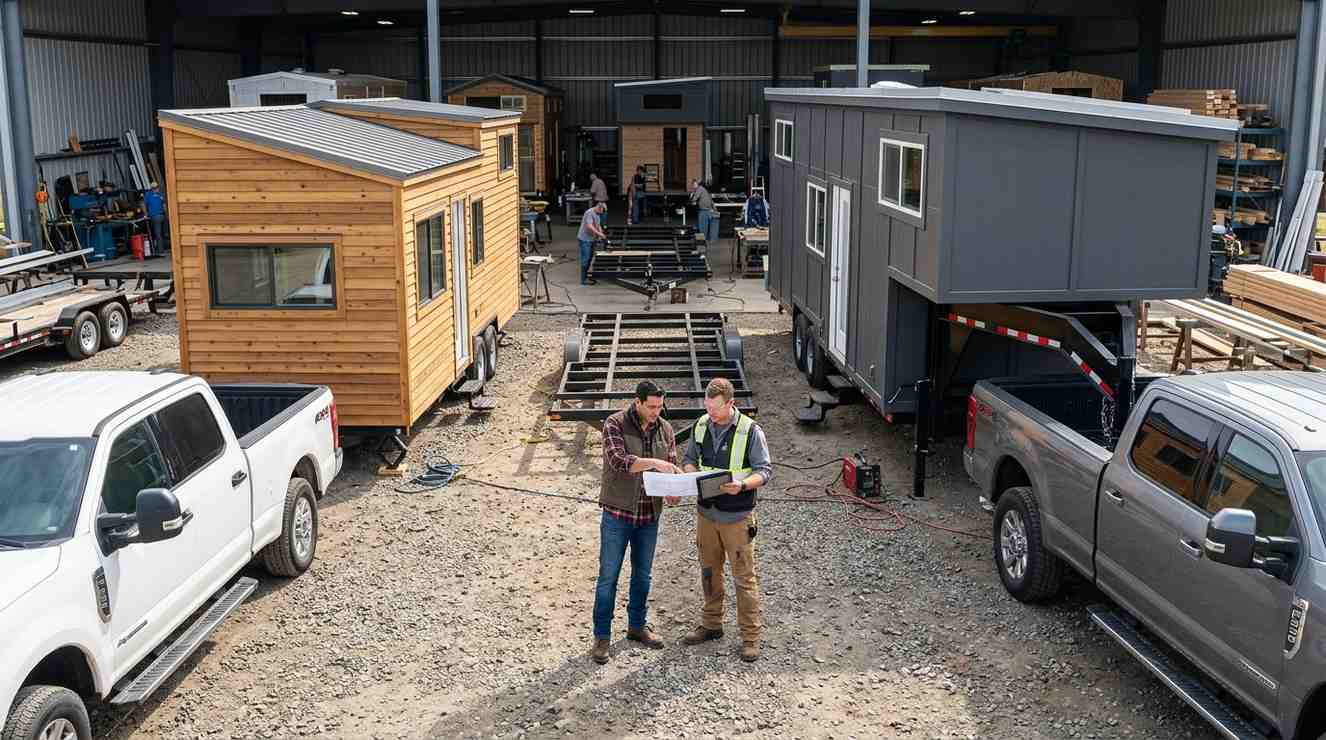
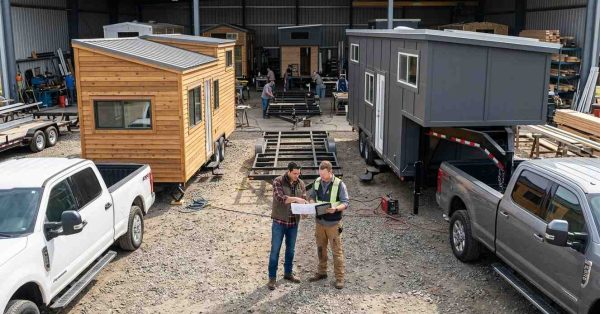
Side-by-side comparison of a bumper pull Tiny House on Wheels and a gooseneck Tiny House on Wheels with a male homeowner and male builder reviewing trailer options in a construction yard.

Choosing between a bumper pull and a gooseneck THOW trailer is one of the most consequential
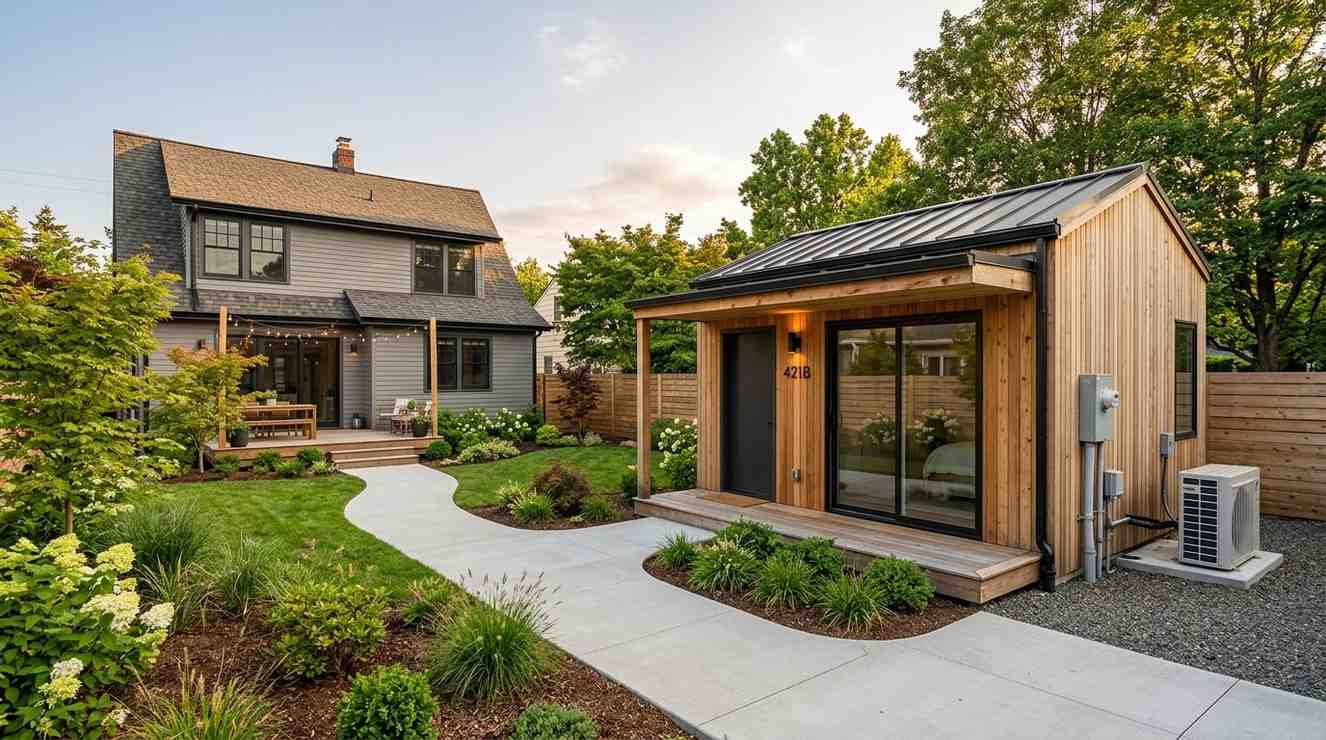
Modern backyard ADU with wood siding, landscaped garden, curved walkway, and main house in the background.

Building an ADU in 2026 typically costs between $100,000 and $350,000 depending on the type, size,
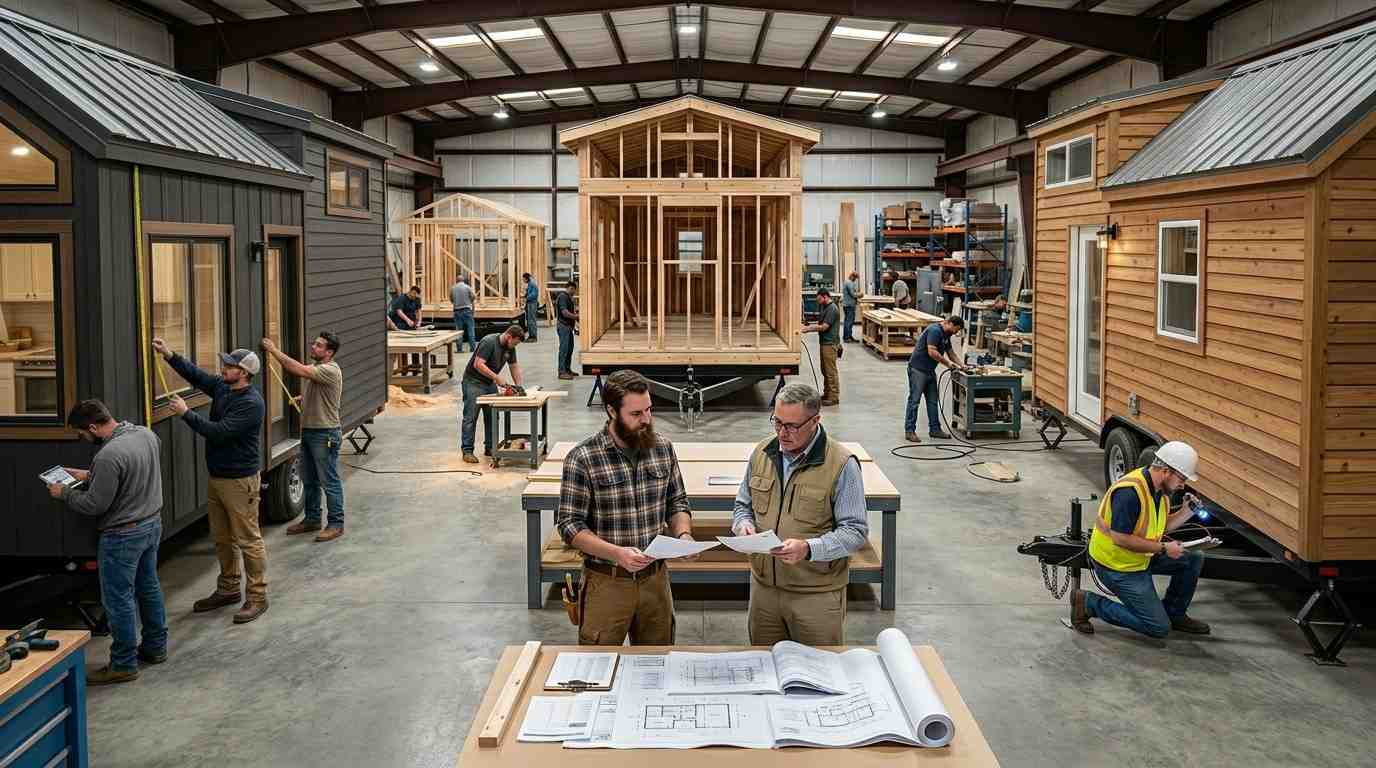
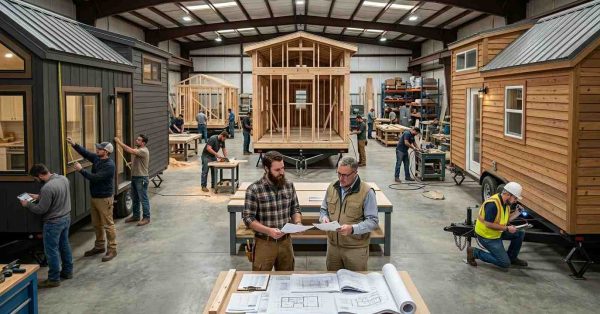
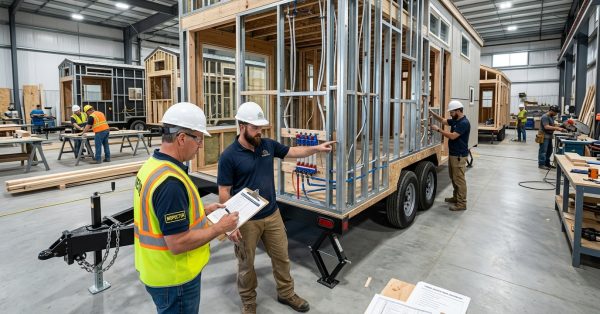
Male homeowner and certification consultant reviewing RVIA, ANSI, and NOAH compliance inspections for modern Tiny Houses on Wheels in a professional manufacturing facility.

RVIA, ANSI, and NOAH are three distinct certification standards that apply to tiny homes, park model
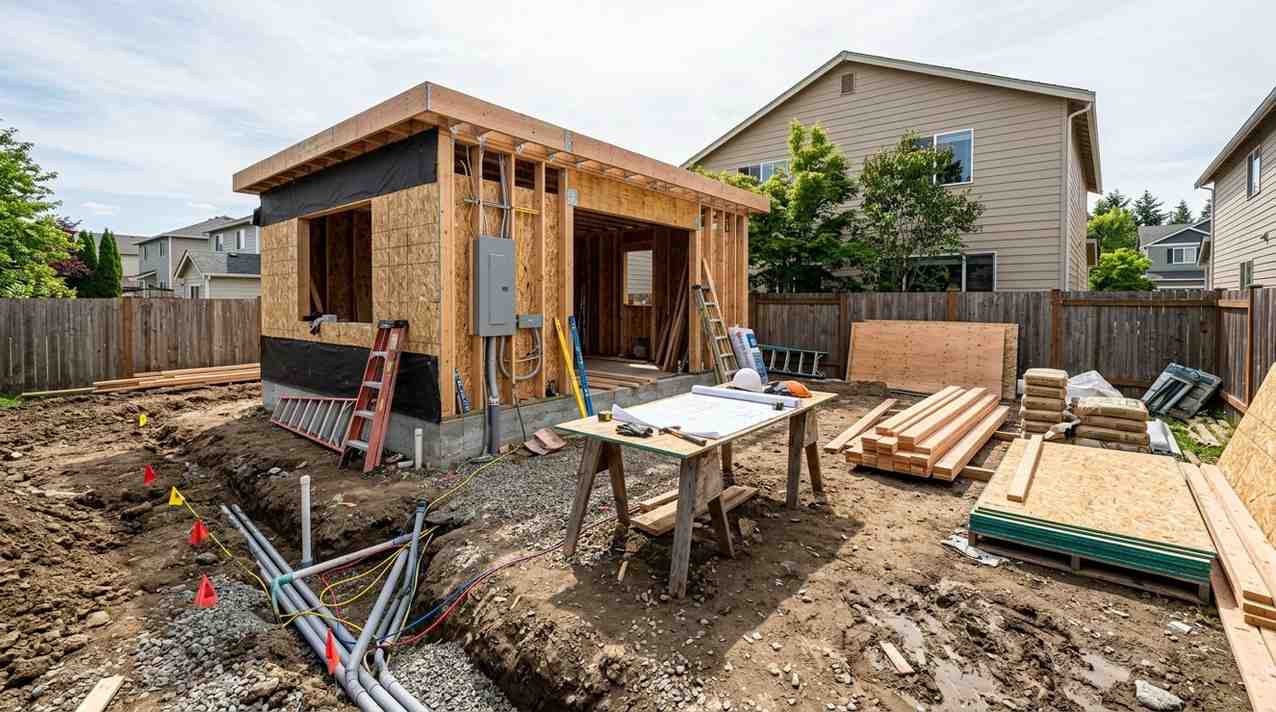
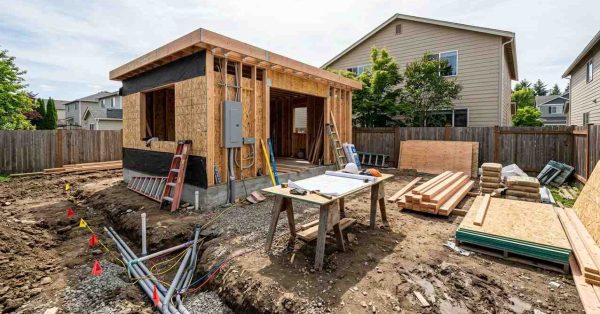
Backyard ADU under construction with exposed wood framing, utility trenches, building materials, and construction plans on a work table.

Building an ADU typically costs $150,000 to $300,000 or more — but most homeowners discover their
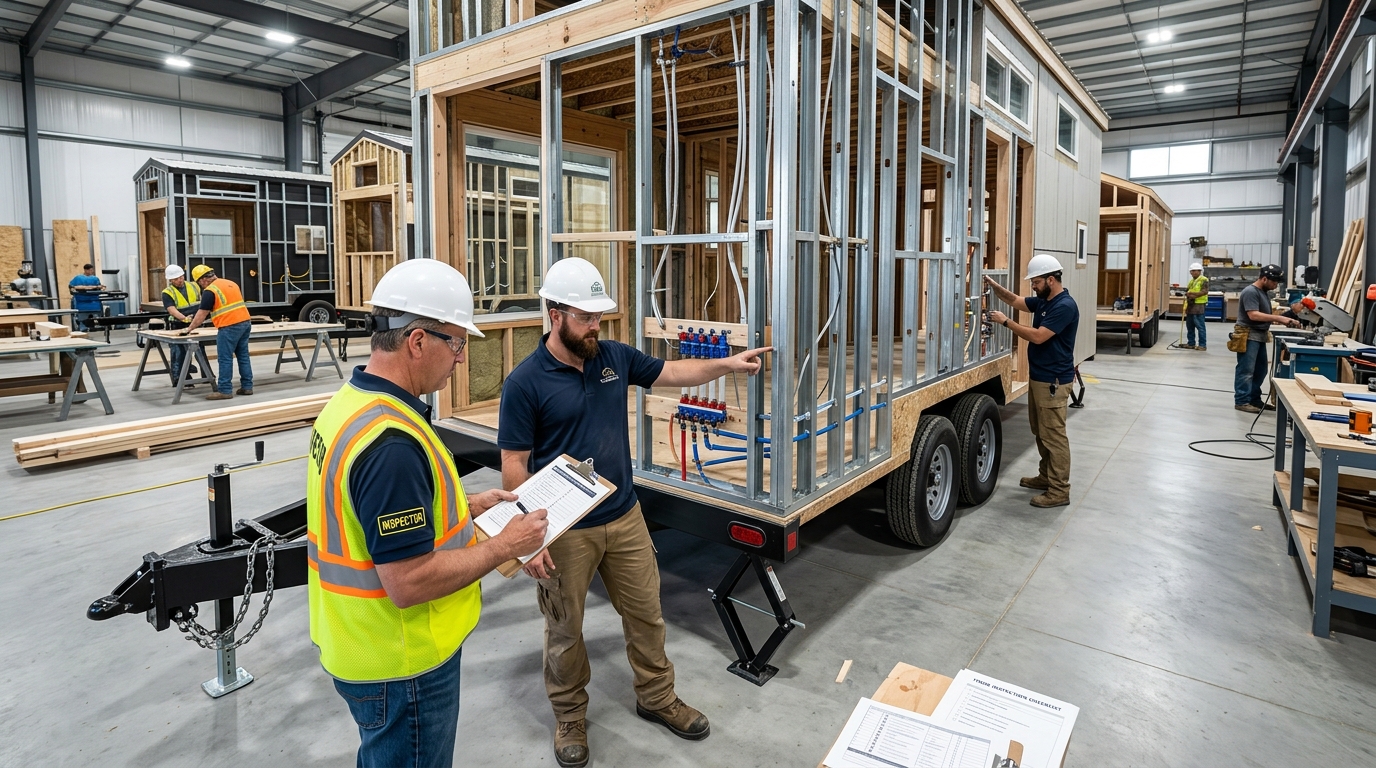
RVIA certification is the nationally recognized safety standard that confirms a tiny home on wheels (THOW) meets established codes for structural integrity, electrical systems, plumbing, and fire safety. Without it, your THOW may face serious obstacles when it comes to insurance coverage, financing approval, and legal parking on many properties across the USA. Understanding this certification helps you make smarter decisions before you build, buy, or move into a tiny home. It separates compliant, inspected builds from unverified ones in ways that affect your safety and your wallet. This guide explains what RVIA certification covers, how the process works, and what it means for your tiny home investment long-term. What Is RVIA Certification and Why Does It Matter for THOWs? The Recreation Vehicle Industry Association (RVIA) is the national trade organization that sets and enforces safety standards for recreational vehicles, including tiny homes on wheels. When a THOW carries RVIA certification, it means the unit was built by a manufacturer or builder who is a registered RVIA member and that the construction process was inspected and verified against the ANSI A119.5 standard — the specific code governing park model RVs and THOWs. This matters because THOWs occupy a unique legal space. They are not classified as traditional manufactured homes under HUD codes, and they are not standard RVs in the conventional sense. RVIA certification gives them a recognized, documented identity that lenders, insurers, campgrounds, and municipalities can verify. RVIA certification is one of the most important compliance steps in tiny home ownership — our complete guide covers everything from design and construction to legal requirements and long-term living. How RVIA Sets the Standard for Tiny Home Safety The RVIA does not simply issue a label. Member builders are required to follow a documented construction process, submit to third-party inspections during the build, and display a certification seal on the completed unit. That seal signals to anyone who sees it — a buyer, an insurer, a campground operator — that the home was built to a defined, auditable standard. The standard addresses fire safety, electrical load capacity, LP gas systems, structural load tolerances, and ventilation requirements. These are not cosmetic checks. They are the systems most likely to cause injury or property loss if they fail. What Does RVIA Certification Cover in a Tiny Home on Wheels? RVIA certification is not a single inspection at the end of a build. It is a process-based compliance system that runs throughout construction. The certification covers two broad categories: structural and safety systems, and mechanical and utility systems. Structural and Safety Systems Inspected The structural inspection confirms that the THOW frame, wall assemblies, roof system, and loft construction meet load-bearing requirements for both static use and road transport. This includes: Frame welds and connection points Wall and roof sheathing thickness and attachment Loft floor load ratings Egress window sizing and placement Smoke detector and carbon monoxide detector placement Fire extinguisher requirements These elements are inspected during construction, not after. A builder cannot simply add a smoke detector at the end and claim compliance. The placement, wiring, and integration must meet the standard at the time of installation. Mechanical and Utility Systems Covered The mechanical inspection covers the systems that pose the highest risk of failure in a compact living environment. These include: Electrical panel sizing, wiring gauge, and circuit protection LP gas line routing, pressure testing, and appliance connections Plumbing supply and drain line installation Water heater venting and pressure relief HVAC unit sizing and ventilation clearances Each of these systems is tested against the ANSI A119.5 standard. The builder must document compliance at each stage, and the RVIA-affiliated inspector reviews that documentation before the certification seal is issued. How to Get RVIA Certification for Your THOW RVIA certification is not something a homeowner applies for independently. The certification is tied to the builder, not the buyer. To get a certified THOW, you must work with a builder who holds active RVIA membership and follows the certified construction process from the ground up. This means the path to certification begins before a single board is cut. You need to select a builder who is already enrolled in the RVIA program, confirm that your design will be built to ANSI A119.5 specifications, and verify that the builder's inspection documentation will be completed throughout the build. Working With an RVIA-Certified Builder Not every tiny home builder holds RVIA membership. Many custom builders produce high-quality work but are not enrolled in the certification program, which means their units cannot carry the RVIA seal regardless of build quality. When evaluating builders, ask directly whether they are current RVIA members, whether their builds carry the certification seal, and whether they can provide documentation from previous certified builds. Choosing the right builder is the most direct path to certification — our guide to RVIA-certified builders walks through how to evaluate credentials, compare quotes, and verify compliance before you sign a contract. RVIA Certification vs. Non-Certified THOWs — What's the Difference? The difference between a certified and a non-certified THOW is not always visible from the outside. Both can be well-built, attractive, and functional. The difference shows up in documentation, legal standing, and downstream access to services. A certified THOW carries a permanent RVIA seal, a vehicle identification number (VIN), and a title that classifies it as a recreational vehicle. This classification is what most insurers, lenders, and campground operators require before they will work with you. A non-certified THOW may be titled as a trailer, a custom vehicle, or not titled at all — each of which creates complications. Non-certified units are not automatically unsafe. But they lack the third-party verification that institutions rely on. That gap affects your ability to insure the unit at favorable rates, finance the purchase, and park legally in many locations. Understanding the difference between certified and non-certified units directly affects your coverage eligibility — our overview of THOW insurance options explains what lenders and insurers require and how certification status changes your rates. Does RVIA Certification Affect Insurance and Financing for THOWs? Yes — significantly. RVIA certification is one of the primary factors that determines whether a THOW qualifies for RV-specific insurance policies and recreational vehicle financing programs. Most RV insurance providers require the unit to carry an RVIA seal or equivalent certification before they will issue a policy. Without it, owners are often forced into specialty markets with higher premiums, lower coverage limits, or exclusions for road transport. Some insurers will not cover non-certified THOWs at all. Financing follows a similar pattern. RV lenders — including credit unions and specialty finance companies that offer THOW loans — typically require RVIA certification as a condition of approval. The certification gives the lender confidence that the unit has a defined value, a clear title, and a documented construction standard. Lenders and insurers treat RVIA-certified units differently from non-certified builds, and understanding those distinctions can save you thousands — our resource on THOW insurance options breaks down coverage types, financing programs, and what documentation you need. Common Questions About RVIA Certification for Tiny Homes This section addresses the questions that come up most often when homeowners and buyers are evaluating RVIA certification for the first time. Can I get RVIA certification after my THOW is already built? In most cases, no. RVIA certification requires inspection during the construction process. A completed unit cannot be retroactively certified because the inspection points occur at stages that are no longer accessible once the build is finished. Does RVIA certification expire? The certification seal itself does not expire, but the builder's RVIA membership must remain active. If a builder loses membership after your unit is built, your existing certification seal remains valid. Future builds from that builder, however, would not be certifiable until membership is reinstated. Is RVIA certification the same as a building permit? No. RVIA certification is a voluntary industry standard administered by a trade association. Building permits are issued by local governments and vary by jurisdiction. Some locations require both; others require neither. Always check local zoning and permitting requirements separately from RVIA compliance. Maintaining Your THOW After RVIA Certification Earning RVIA certification is a starting point, not a finish line. The systems that were inspected during construction — electrical, plumbing, LP gas, structural connections — require ongoing maintenance to perform safely over time. Compact living spaces experience higher use intensity per square foot than standard homes, which means wear accumulates faster on key systems. Keeping your THOW in peak condition after certification requires consistent upkeep across multiple systems — our home maintenance services connect THOW owners with skilled professionals who understand the unique demands of compact, mobile living spaces. Key Systems to Service Regularly The systems most critical to maintain in a certified THOW are the same ones that were most closely inspected during the certification process. LP gas systems should be pressure-tested annually and inspected for line corrosion, fitting wear, and appliance connection integrity. Gas leaks in a compact space are significantly more dangerous than in a full-size home. Electrical systems require periodic review of panel connections, circuit breaker function, and wiring condition — especially in areas subject to road vibration if the unit is moved. The plumbing systems in a THOW require the same professional attention as any residential property — our plumbing system care page explains what routine inspections cover and when to call a licensed plumber for your tiny home. Electrical systems in certified THOWs must meet specific standards that require periodic professional review — our resource on electrical safety checks outlines what a licensed electrician inspects and why annual reviews protect your investment. Roof and wall assemblies should be inspected seasonally for sealant failure, fastener loosening, and moisture intrusion — all of which are accelerated by road transport and temperature cycling. Conclusion RVIA certification gives a tiny home on wheels a verified identity — one that documents construction quality, confirms safety system compliance, and opens doors to insurance, financing, and legal parking that non-certified units cannot access. Understanding what the certification covers and how the process works puts you in a stronger position before you build or buy. The certification standard is only as valuable as the maintenance that follows it. Systems that pass inspection on day one need consistent professional attention to remain safe and functional over years of use. At Mr. Local Services, we connect THOW owners with skilled professionals across plumbing, electrical, and general maintenance — so your certified tiny home stays in the condition it was built to meet. Frequently Asked Questions What does RVIA stand for in the context of tiny homes? RVIA stands for Recreation Vehicle Industry Association. It is the national trade organization that sets construction and safety standards for recreational vehicles, including tiny homes on wheels, under the ANSI A119.5 code. Is RVIA certification required to live in a THOW legally? RVIA certification is not universally required by law, but many campgrounds, RV parks, and municipalities require it as a condition of parking or residency. It is also required by most RV insurers and lenders before they will work with a THOW owner. How much does RVIA certification add to the cost of a THOW? The cost varies by builder and unit size, but RVIA membership and inspection fees are typically built into the builder's pricing. Certified builds may cost more upfront, but the savings on insurance premiums and financing rates often offset that difference over time. Can I build my own THOW and get it RVIA certified? Owner-built THOWs cannot receive RVIA certification. The certification is tied to the builder's RVIA membership and the documented inspection process that occurs during construction. Self-builds do not qualify under the current program structure. What is the ANSI A119.5 standard that RVIA uses? ANSI A119.5 is the American National Standard for recreational park trailers, which includes THOWs. It defines minimum requirements for structural integrity, electrical systems, plumbing, LP gas, fire safety, and ventilation in units designed for extended occupancy. Does RVIA certification affect where I can park my tiny home? Yes. Many RV parks, campgrounds, and some municipalities require an RVIA seal as a condition of allowing a THOW to park or connect to utilities. Non-certified units are often restricted to private land or face additional permitting requirements. What happens if my RVIA-certified THOW is significantly modified after purchase? Major modifications to certified systems — such as rewiring the electrical panel, relocating LP gas lines, or altering the structural frame — may void the original certification. Consult your builder or an RVIA-affiliated inspector before making significant changes to a certified unit.

RVIA certification is the nationally recognized safety standard that confirms a tiny home on wheels (THOW)