Mold can begin growing within 24 to 48 hours after water damage occurs, and visible colonies often appear within 3 to 12 days if moisture is not removed. The exact timeline depends on humidity, temperature, the affected materials, and how quickly drying begins. For homeowners, landlords, and property managers, the first two days after a leak, flood, or burst pipe are the most critical window to act and prevent long-term contamination.
How Quickly Mold Sets In After Water Damage
Mold spores are already present in nearly every indoor environment. When water damage introduces moisture to porous materials like drywall, insulation, carpet, or wood, those spores activate and begin colonizing within 24 to 48 hours. Visible mold typically develops between days 3 and 12, while structural and air-quality damage can continue silently for weeks if moisture remains trapped.
The First 24–48 Hours
This is the activation window. Spores attach to wet surfaces and begin germinating, but no visible growth has formed yet. Surfaces may smell musty before any discoloration appears. Quick water extraction, air movement, and dehumidification during this period can stop colonization before it starts. Most insurance carriers and remediation guidelines treat this 48-hour mark as the threshold between cleanup and full mold remediation.
Days 3 Through 14
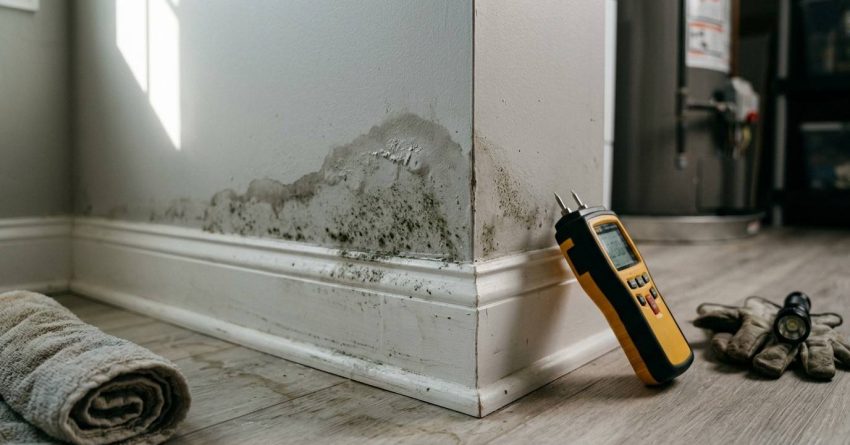
By day three, hyphae spread across damp materials and small green, black, or white patches begin showing on baseboards, ceilings, and behind furniture. Between days 7 and 14, colonies mature, release new spores, and migrate through HVAC systems and wall cavities. At this stage, surface cleaning is no longer enough. Affected drywall, insulation, and flooring usually require removal and professional treatment.
The timeline above explains the science. The next layer is knowing when professional water damage restoration is needed to stop mold before it ever takes hold.
Conditions That Speed Up or Slow Down Mold Growth
Not every water event leads to mold at the same speed. Growth accelerates in warm, humid, poorly ventilated spaces and slows in cool, dry, well-circulated ones. Hidden moisture inside walls or under flooring is the most dangerous because it creates ideal conditions without warning signs.
Material, Humidity, and Temperature Factors
Porous materials like drywall, carpet padding, ceiling tiles, and wood absorb water quickly and feed mold within hours. Non-porous surfaces such as tile, metal, and sealed concrete resist colonization much longer. Indoor humidity above 60% dramatically speeds growth, while temperatures between 70°F and 90°F create the most favorable environment. Controlling indoor humidity levels after water damage is one of the most effective ways to slow or stop colonization while drying is underway.
What to Do Within the First 48 Hours
Act immediately. Stop the water source, remove standing water, and increase airflow with fans and open windows where outdoor humidity allows. Run dehumidifiers continuously and pull up wet carpet, padding, and saturated drywall sections. Document everything with photos for insurance purposes. If the affected area is larger than 10 square feet, contains contaminated water, or sits inside walls or HVAC systems, contact certified mold remediation specialists right away. Professional drying equipment reaches moisture levels that household tools cannot, which is what prevents recurrence weeks later.
Conclusion
Mold sets in within 24 to 48 hours after water damage and becomes visible within days, making fast action the strongest defense for any property.
For homeowners, landlords, and property managers, treating water damage as an urgent event protects building materials, indoor air quality, and long-term property value.
We connect you with trusted local pros who respond quickly and restore your property the right way. Call Mr. Local Services today.
Frequently Asked Questions
Can mold grow in less than 24 hours?
Active growth before 24 hours is rare, but spore activation begins almost immediately on wet porous materials, especially in warm, humid conditions with poor airflow.
Will mold go away if the area dries out?
Drying stops active growth, but existing colonies and spores remain and can reactivate. Professional cleaning or material removal is needed for full elimination.
Is mold always visible after water damage?
No. Mold often grows inside walls, under flooring, or above ceilings. A musty odor is frequently the first sign before any visible patches appear.
Does small water damage really need professional help?
Areas under 10 square feet from clean water can sometimes be handled alone. Larger spills, contaminated water, or hidden moisture require certified professionals.
How can I prevent mold after water damage?
Extract water within 24 hours, run dehumidifiers, increase airflow, remove saturated porous materials, and keep indoor humidity below 50% during drying.