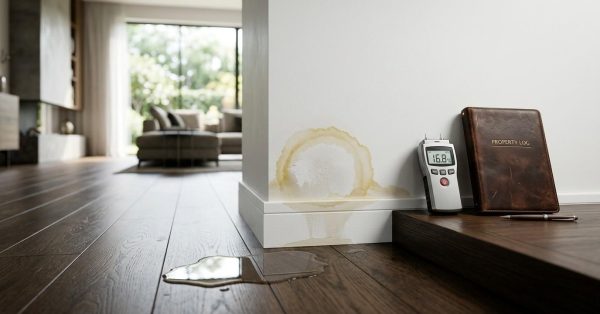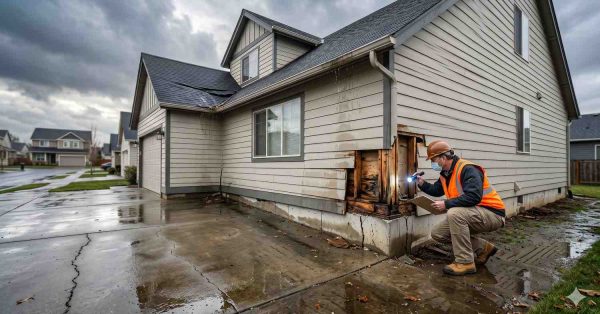
Homeowners insurance typically increases between 10% and 30% after a water damage claim, with most policyholders seeing premiums rise by $200 to $500 per year. The exact amount depends on claim size, cause of damage, your prior claims history, and your insurer’s risk model. Water damage is one of the most common and costly claims in the United States, which is why carriers price it carefully. Understanding the increase helps you make smarter decisions before, during, and after filing.
Average Premium Increase After a Water Damage Claim
After a single water damage claim, U.S. homeowners can expect their annual premium to rise by roughly 10% to 30%, translating to about $200 to $500 more per year depending on policy size and location. The increase usually stays in effect for three to five years before fading from your loss history.
Typical Percentage Range You Can Expect
Most insurers apply a surcharge tied to claim severity. A small leak claim under $5,000 may push your premium up by 10% to 15%. A larger claim involving structural drying, mold remediation, or category 3 water can trigger increases of 20% to 30% or more. Repeat claims compound quickly, and a second water claim within five years often signals high risk to underwriters, leading to steeper hikes or non-renewal.
Dollar Impact on Annual Premiums
If your current premium is $1,500 per year, a 15% increase adds $225 annually, while a 30% jump adds $450 annually. Over a five-year surcharge period, that single claim can cost $1,000 to $2,500 in additional premiums. This is why filing small claims you could pay out of pocket rarely makes financial sense once the long-term rate impact is calculated.
The premium hike is only part of the equation. Acting quickly with proper water damage restoration often determines whether a claim stays small or escalates into a major loss that drives bigger rate increases.
Factors That Influence How Much Your Rate Rises
Not every water damage claim affects your premium the same way. Insurers weigh several factors when adjusting your rate, and understanding them helps you anticipate the financial outcome before filing.
Claim Size, Cause, and Frequency
A burst pipe claim is treated differently from gradual leak damage, which many policies exclude entirely. Sudden and accidental damage usually carries a smaller surcharge than claims tied to poor maintenance. Frequency matters most. One claim is manageable. Two claims within three years often double the surcharge or place you in a high-risk pool with limited carrier options.
Location, Provider, and Claim History
Homes in flood-prone states like Florida, Louisiana, and Texas face higher base rates and steeper post-claim increases. Each insurer uses its own claims rating model, so the same claim can produce a 15% increase with one carrier and 28% with another. Your overall CLUE report, which tracks seven years of claims, also influences how future insurers price your policy.
How to Reduce the Long-Term Cost of a Water Damage Claim
You can soften the financial impact by raising your deductible, bundling policies, or shopping carriers at renewal. Many homeowners save by switching insurers after a surcharge period ends. Installing smart leak detectors, maintaining plumbing, and addressing minor issues early all help in preventing future water-related losses that compound your rate history.
Documenting the cause of damage clearly, working with licensed restoration professionals, and avoiding small, avoidable claims are the most effective long-term strategies.
Conclusion
A water damage claim typically raises homeowners insurance by 10% to 30%, with the surcharge lasting three to five years. Claim size, cause, frequency, and location all shape the final increase. Protecting your home through prevention, quick response, and professional repair keeps both damage and premiums under control. When you need fast, reliable property repair backed by trusted experts, Mr. Local Services connects you with vetted professionals ready to restore your home and protect its value.
Frequently Asked Questions
Does every water damage claim raise my insurance premium?
Not always. Some insurers waive the first claim under a forgiveness program, but most apply a surcharge tied to claim size and policy terms.
How long does a water damage claim stay on my record?
Water damage claims remain on your CLUE report for seven years, though most rate surcharges only last three to five years with your current insurer.
Can my insurance be canceled after a water damage claim?
Yes. Multiple claims, gradual damage, or unresolved issues can lead to non-renewal. A single sudden-event claim rarely results in cancellation alone.
Should I file a small water damage claim?
Often no. If repair costs are close to your deductible, paying out of pocket avoids a multi-year premium increase that exceeds the payout amount.
Will switching insurers lower my rate after a claim?
Possibly. Shopping carriers at renewal often uncovers lower rates, especially once your claim is two to three years old and weighs less heavily.