Replacing a main sewer line is widely considered the hardest job for a plumber. It combines deep excavation, heavy physical labor, exposure to hazardous waste, code compliance, and complex diagnostics under unpredictable ground conditions. For homeowners and property managers across the USA, understanding why this job is so demanding helps set realistic expectations around timelines, cost, and the level of expertise required to protect your property and avoid costly mistakes.
The Hardest Job for a Plumber: Main Sewer Line Replacement
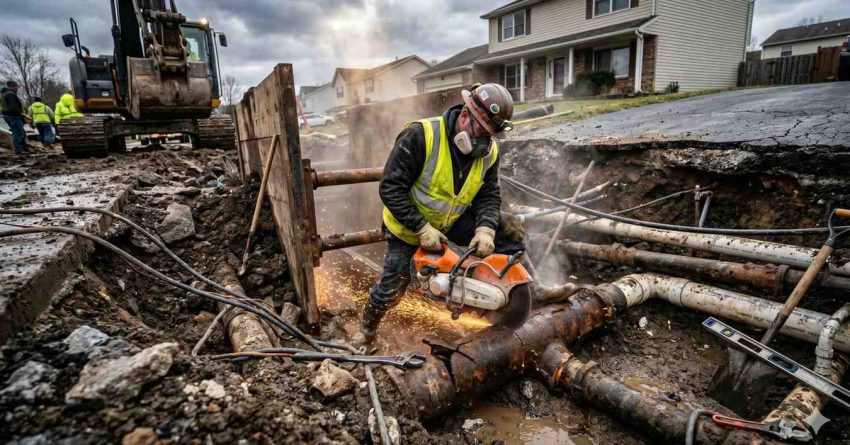
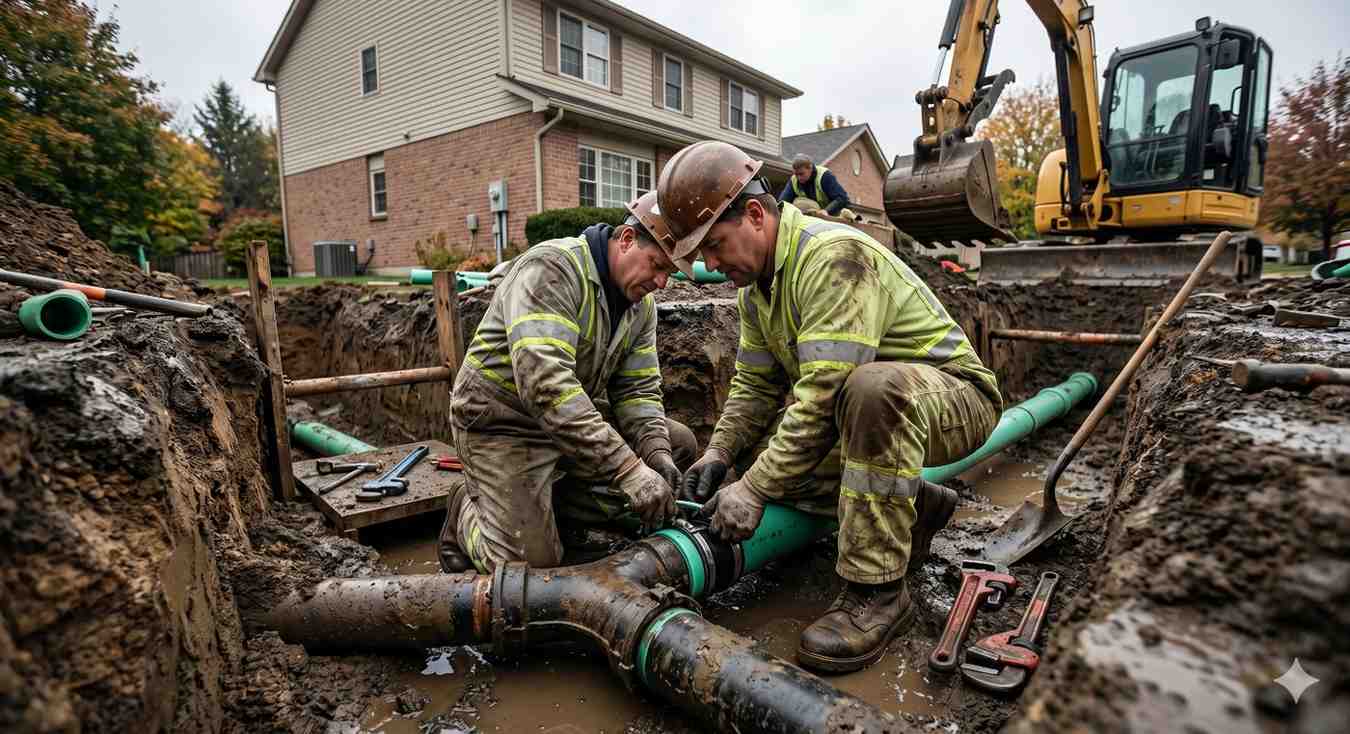
The hardest job for a plumber is replacing a main sewer line. It demands deep excavation, exposure to raw sewage, precise grading for proper flow, code-compliant connections, and coordination with utility locators. Every step carries health, safety, and structural risks that few other plumbing tasks combine in one project.
Why Sewer Line Work Tops the Difficulty List
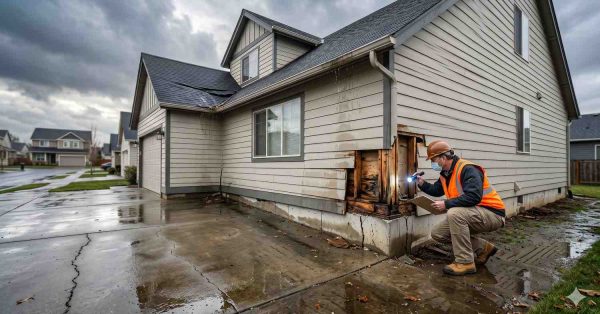
Sewer lines run beneath driveways, foundations, mature trees, and landscaping. Reaching them often means breaking concrete, trenching several feet deep, or threading equipment through tight crawl spaces. Plumbers must identify the failure point through camera inspection, then choose between full dig-and-replace or trenchless methods like pipe bursting. Each path requires specialized tools, permits, and careful protection of nearby gas, water, and electrical lines to prevent dangerous accidents.
What Makes the Job Physically and Technically Demanding
The work is brutal on the body. Plumbers spend hours in trenches, lifting cast iron or PVC pipe, operating jackhammers, and managing cave-in risks. Beyond physical strain, technical accuracy is non-negotiable. A slope error of even a quarter inch per foot causes chronic backups. Improper joints invite root intrusion within months. The job blends civil construction, sanitation engineering, and plumbing craft in one unforgiving package.
Understanding why sewer replacement ranks hardest sets the stage for evaluating other complex repairs that homeowners frequently encounter. Many of these challenges fall under the broader category of professional plumbing services for homes, where job complexity directly shapes pricing, timelines, and the qualifications needed.
Other Plumbing Jobs That Rank Among the Toughest
Several other plumbing tasks come close to sewer line replacement in difficulty. Each presents unique diagnostic, structural, or coordination challenges that test even experienced professionals.
Slab Leak Detection and Repair
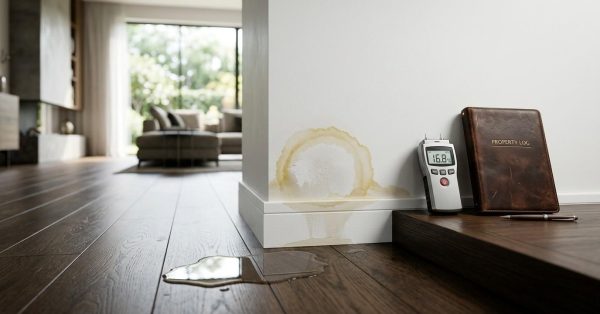
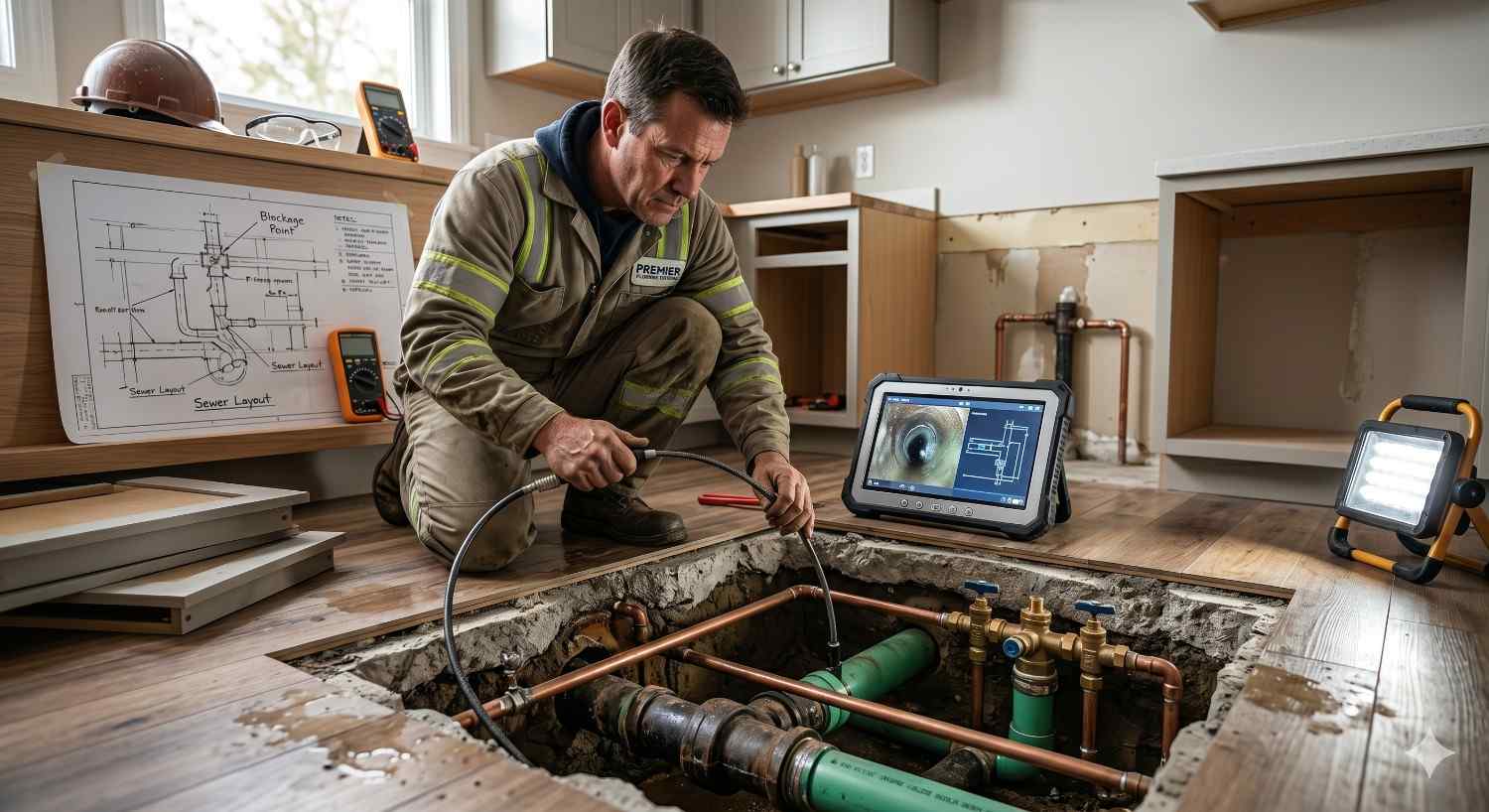
A slab leak occurs when pipes embedded in a concrete foundation start leaking. Locating hidden slab leaks accurately requires acoustic listening devices, thermal imaging, and pressure testing before any concrete is cut. Repair options include rerouting the line, epoxy lining, or a tunnel beneath the slab, each affecting cost, downtime, and structural integrity differently.
Repiping an Entire Home
Full-house repiping projects involve replacing every supply line in a property, often inside walls, ceilings, and floors. Plumbers must minimize drywall damage, maintain water service in stages, and ensure pressure balance across every fixture. Older homes with galvanized or polybutylene pipes add corrosion, brittleness, and unexpected layout surprises.
Why Hiring the Right Plumber Matters for Hard Jobs
Hard plumbing jobs leave no room for shortcuts. A licensed, insured plumber with sewer, slab, and repiping experience protects your foundation, landscaping, and indoor air quality. They pull permits, follow local code, and document the work for resale value. Choosing the cheapest bid often leads to repeat repairs, water damage, and mold remediation that cost far more than hiring a qualified pro from the start. Verified credentials, transparent pricing, and warranty-backed workmanship separate dependable plumbers from costly liabilities.
Conclusion
Main sewer line replacement is the hardest plumbing job because it merges deep excavation, sanitation risk, technical precision, and structural sensitivity into one project.
For homeowners, landlords, and property managers, knowing which jobs carry the highest stakes helps you budget wisely and hire confidently for long-term property health.
We connect you with vetted, experienced plumbers nationwide. Contact Mr. Local Services today to schedule trusted help for any plumbing challenge.
Frequently Asked Questions
How long does a main sewer line replacement take?
Most full sewer replacements take one to three days, depending on length, depth, soil conditions, permits, and whether trenchless or open-trench methods are used.
Is trenchless sewer repair always cheaper than digging?
Not always. Trenchless saves landscaping costs but requires accessible entry points and intact pipe alignment, so severely collapsed lines may still need traditional excavation.
What plumbing job has the highest risk of injury?
Sewer excavation carries the highest injury risk due to trench collapse, heavy equipment, sewage exposure, and proximity to buried gas and electrical utilities.
Can a regular plumber handle slab leaks?
Only plumbers trained in leak detection and foundation repair should handle slab leaks. Specialized equipment and structural knowledge are essential to prevent further damage.
How much does whole-home repiping cost?
Repiping typically ranges from $4,000 to $15,000 depending on home size, pipe material, accessibility, and local labor rates across different USA regions.