Cleaning a house means systematically removing dirt, dust, and clutter from every room by working top-to-bottom and room-by-room, using the right supplies and a consistent order so no surface gets missed and the whole home stays healthy and comfortable. I have cleaned more homes than I can count, and the pattern never changes.
The difference between a house that stays clean and one that never feels done comes down to method. A random approach wastes hours and leaves you exhausted with little to show.
This guide walks you through the full cleaning process from start to finish. I cover how to prepare and declutter, the correct cleaning order, room-by-room methods for kitchens and bathrooms, how to handle floors and windows, how often to clean each area, and when it makes sense to bring in professional help.
What Does It Mean to Deep Clean a House?
Deep cleaning a house is a thorough, top-to-bottom cleaning process that reaches the neglected areas routine cleaning skips, such as baseboards, grout, appliance interiors, vents, and behind furniture. It resets the entire home rather than maintaining it.
I think of house cleaning in two layers. Regular cleaning keeps surfaces tidy week to week, and deep cleaning tackles built-up grime that accumulates over months.
Most homes need a full deep clean two to four times a year, plus lighter routine upkeep in between. Seasonal changes, guests, and move-in or move-out situations all trigger a deep clean. Understanding this difference upfront helps you plan the right kind of session instead of scrubbing everything every single time.

How to Prepare Before You Start Cleaning
Preparing to clean means gathering all your supplies in one place and clearing clutter from surfaces before any actual cleaning begins. Preparation saves you from stopping mid-task to hunt for a spray bottle or a fresh cloth.
I never start until the room is ready to be cleaned, not organized. Those are two separate jobs, and mixing them slows you down badly.
Gathering Cleaning Supplies and Tools
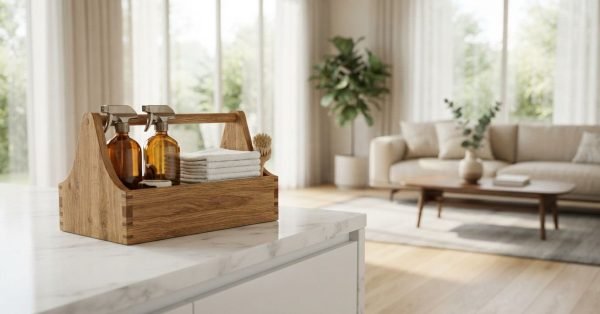
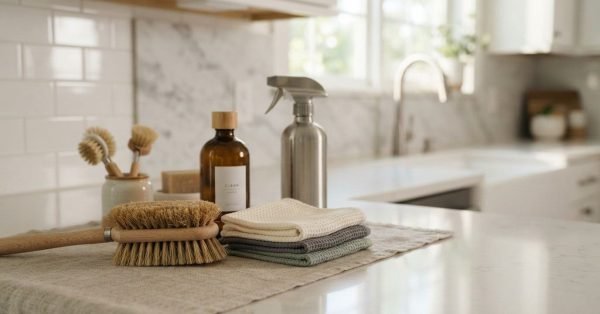
A basic cleaning kit needs an all-purpose cleaner, a glass cleaner, a disinfectant, microfiber cloths, a scrub brush, a vacuum, a mop, and trash bags. These handle nearly every surface in a typical home.
I keep everything in a caddy I can carry room to room. Buying quality cleaning supplies once beats replacing cheap tools that fall apart halfway through the year.
Decluttering Before You Clean
Decluttering means removing items that do not belong in a room and putting away anything left out on surfaces. You cannot clean a counter buried under mail and dishes.
I clear every flat surface first, then clean. Clutter hides dirt and doubles your work, so this quick pass makes the actual cleaning faster and far more effective.
The Right Order to Clean a House
The correct order to clean a house is top-to-bottom and dry-to-wet, starting with the rooms that get dirtiest and ending with the floors. This sequence stops you from re-dirtying areas you already finished.
I always work in this direction:
- Dust and clean high surfaces first, so falling debris lands on floors you have not cleaned yet.
- Clean dry before wet, so dust does not turn into smeared grime.
- Tackle the kitchen and bathrooms next, since they hold the most bacteria and buildup.
- Move through bedrooms and living areas.
- Vacuum and mop all floors last, capturing everything that fell during earlier steps.
Cleaning floors before dusting is the most common mistake I see. It forces you to redo the floors, wasting time and energy on a job you already finished.
How to Clean the Kitchen
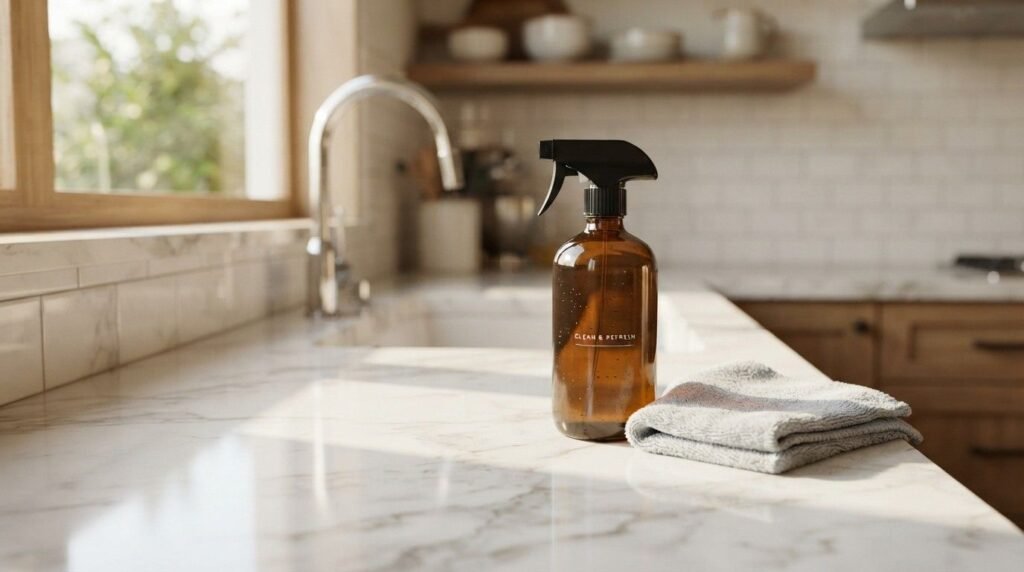
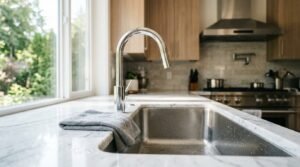
Cleaning the kitchen means working from the highest surfaces down to the floor, degreasing countertops and appliances, sanitizing the sink, and finishing with the floor. The kitchen collects grease and food residue that no other room does.
I start with cabinet fronts and the range hood, then move to counters and the stovetop. Appliance exteriors and interiors come next, since a microwave or oven cleaning often gets skipped for months.
The sink is dirtier than most people think and deserves a full disinfection every session. I finish by sweeping and mopping the floor, which catches every crumb that fell during the earlier steps.
How to Clean the Bathroom
Cleaning the bathroom means disinfecting every high-touch and moisture-prone surface, including the toilet, shower, sink, mirrors, and grout, to control bacteria and mildew. Bathrooms need disinfection more than any other room in the house.
I apply cleaner to the toilet, shower, and tub first, then let it sit while I wipe mirrors and counters. Letting products dwell does the scrubbing work for you.
Grout and tile trap mildew and need regular attention to stay bright. I finish with the toilet, then the floor, always saving the dirtiest surfaces for last so I never spread bacteria backward.
How to Clean Bedrooms and Living Spaces
Cleaning bedrooms and living spaces means dusting all surfaces top-to-bottom, freshening bedding and upholstery, and vacuuming the floor last. These rooms build up dust and allergens quietly over time.
I strip and wash the bedding first, then dust from ceiling fans down to baseboards. Working downward keeps falling dust off surfaces I already cleaned.
Upholstery and fabric furniture hold dust, pet hair, and odors, so a vacuum pass with the upholstery attachment matters here. I finish by vacuuming the floor, which collects everything that settled during dusting.
How to Clean Floors by Type
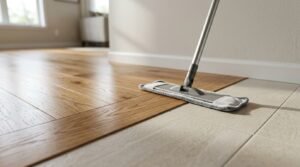
Cleaning floors correctly means matching the method to the material, since hardwood, tile, carpet, laminate, and vinyl each require different tools and moisture levels. Using the wrong method damages the surface and shortens its life.
Here is how each common floor type should be cleaned:
| Floor Type | Method | Moisture Level | Avoid |
| Hardwood | Dry dust, then damp mop with wood cleaner | Low | Standing water, harsh chemicals |
| Tile | Sweep, then mop with all-purpose cleaner | Moderate | Abrasive pads on glazed tile |
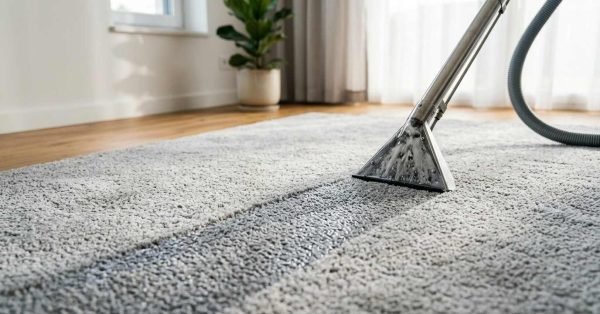
| Carpet | Vacuum, spot-treat stains, deep clean periodically | Minimal | Over-wetting, scrubbing hard |
| Laminate | Dust mop, then barely damp mop | Very low | Soaking, steam mops |
| Vinyl | Sweep, then damp mop | Moderate | Wax, abrasive scrubbers |
Hardwood floor care is where most damage happens, because excess water warps and stains the boards. When floors show deeper wear, refinishing hardwood floors restores the surface far better than repeated cleaning.
How to Clean Windows, Walls, and Ceilings
Cleaning windows, walls, and ceilings means working from the ceiling down, removing cobwebs and dust before wiping glass and washable wall surfaces. These vertical surfaces get ignored until the grime becomes obvious.
I clear cobwebs and dust from ceiling corners and vents first, then move to walls. Working downward keeps loosened dust from landing on clean surfaces below.
Glass cleaning comes last, using a proper glass cleaner and a microfiber cloth for a streak-free finish. Wall washing handles fingerprints and scuffs that build up around switches and doorways, keeping the whole room looking maintained.
How Often You Should Clean Each Part of Your Home
House cleaning frequency depends on the area, with high-traffic and high-moisture zones needing daily or weekly attention and deeper tasks needing monthly or seasonal care. A schedule keeps grime from ever building up in the first place.
This is the cleaning frequency I recommend for most homes:
| Task | Frequency |
| Kitchen counters, dishes, sink | Daily |
| Bathroom surfaces, floors | Weekly |
| Vacuuming, dusting, changing bedding | Weekly |
| Appliance interiors, baseboards | Monthly |
| Windows, grout, behind furniture | Quarterly |
| Deep cleaning the whole house | 2–4 times a year |
I build routine cleaning into short weekly sessions so nothing ever reaches the deep-clean stage unnecessarily. Consistent upkeep is faster over a year than letting a home get dirty and rescuing it.

Deep Cleaning vs. Regular Cleaning
Deep cleaning and regular cleaning differ in scope and frequency, with regular cleaning maintaining surfaces weekly and deep cleaning resetting the entire home a few times a year. Both matter, and each has its place in a healthy routine.
Here is how the two compare:
| Aspect | Regular Cleaning | Deep Cleaning |
| Frequency | Weekly | 2–4 times a year |
| Scope | Visible surfaces | Every surface, including hidden ones |
| Time | 1–2 hours | Half a day or more |
| Focus | Maintenance | Buildup removal |
I rely on regular cleaning to hold the line and deep cleaning to reset it. Skipping deep cleaning lets grime accumulate in places routine wiping never reaches, which is where lasting damage and odor start.
Whole-Home Cleaning Checklist
A whole-home cleaning checklist organizes every room and task into a repeatable list so nothing gets missed during a full clean. A checklist turns a huge job into a series of small, finishable steps.
Here is a room-by-room master list I follow:
- Kitchen: counters, appliances, sink, cabinet fronts, floor
- Bathrooms: toilet, shower, sink, mirror, grout, floor
- Bedrooms: bedding, dusting, surfaces, floor
- Living areas: upholstery, surfaces, electronics, floor
- Whole home: cobwebs, windows, baseboards, vents, trash
I print this and check off each room as I go. Working from a fixed cleaning checklist removes the guesswork and keeps me from circling back to areas I already finished.
When to Hire Professional Cleaning Help
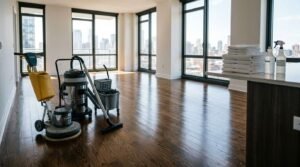
You should hire professional cleaning help when the job exceeds your time, tools, or physical ability, such as move-outs, post-construction cleanup, or a long-neglected deep clean. Professionals bring equipment and speed that a home kit cannot match.
I call in help for move-in and move-out cleaning, where every surface must be spotless on a deadline. Post-construction dust and heavy buildup also justify professional cleaning, since they need specialized handling.
Professional house cleaning also makes sense when your schedule simply does not allow for consistent upkeep. Bringing in a skilled provider protects your property value and gives you back the time a full clean demands.
Conclusion
Cleaning a house well comes down to method: prepare, declutter, work top-to-bottom, handle each room in order, and finish with the floors. That sequence keeps any home consistently clean.
Regular upkeep paired with a few deep cleans a year protects your property and your health, and a good checklist keeps every session efficient and complete.
When the job is too big to handle alone, we connect you with trusted cleaning professionals at Mr. Local Services who get it done right.
Frequently Asked Questions
How long does it take to clean a whole house?
A full house cleaning takes two to four hours for regular cleaning and half a day or more for a deep clean. Size, clutter, and how long since the last clean all affect the time.
What should I clean first when cleaning a house?
Clean the highest surfaces first and the floors last. Start with dusting and high areas, move through the dirtiest rooms like kitchens and bathrooms, then finish with vacuuming and mopping.
How often should I deep clean my house?
Deep clean your house two to four times a year, roughly once per season. High-traffic homes, pets, or allergies may call for more frequent deep cleaning between your weekly upkeep.
What cleaning supplies do I actually need?
You need an all-purpose cleaner, glass cleaner, disinfectant, microfiber cloths, a scrub brush, a vacuum, and a mop. This basic kit handles nearly every surface in a typical home.
Is it better to clean one room at a time?
Cleaning one room at a time is best for most people because it gives clear, finishable progress. Task-based cleaning across the whole house works too, but it can feel endless without visible results.
What is the fastest way to clean a messy house?
The fastest way is to declutter first, then clean top-to-bottom room by room. Clearing surfaces before cleaning removes the biggest time drain and lets you move through each room without stopping.
Should I clean floors or dust first?
Dust first, then clean the floors. Dusting knocks debris onto the floor, so cleaning floors last captures everything that fell and saves you from doing the job twice.