Water damage is serious when it affects structural materials, spreads beyond the visible area, involves contaminated water, or shows signs of mold within 24 to 48 hours. Sagging ceilings, warped floors, soft drywall, persistent musty odors, and discolored stains that grow are clear warnings. Homeowners, landlords, and property managers across the USA need to recognize these signals early to prevent costly repairs and protect occupant health.
Signs That Water Damage Is Serious
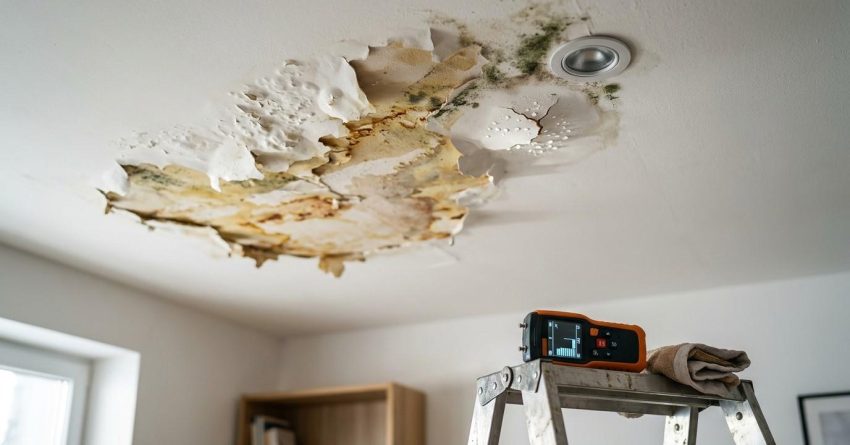
Serious water damage shows up as warped flooring, bubbling paint, sagging ceilings, soft or crumbling drywall, expanding stains, and a musty smell that does not fade. If materials feel spongy, wood is swollen, or moisture returns after drying, the damage has reached structural layers and requires professional assessment.
Visible Structural Warning Signs
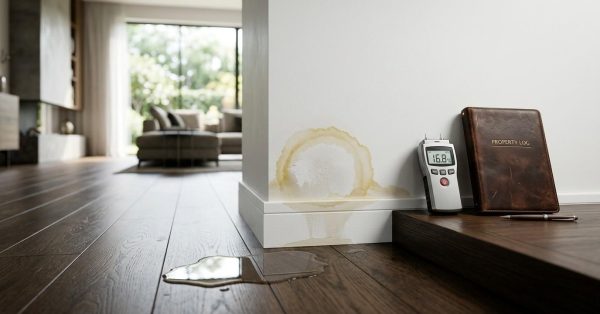
Look for ceilings that bow downward, walls that bulge or feel soft to the touch, and baseboards pulling away from the surface. Hardwood floors that cup, buckle, or lift indicate moisture trapped underneath. Brown or yellow rings on ceilings and walls signal repeated saturation. Peeling paint and bubbling wallpaper confirm moisture is moving through the material. When damage involves load-bearing components, framing, or subflooring, the issue moves beyond cosmetic. These signs mean water has soaked deep enough to weaken the home’s structure and should not be patched without inspection.
Hidden Indicators Behind Walls and Floors
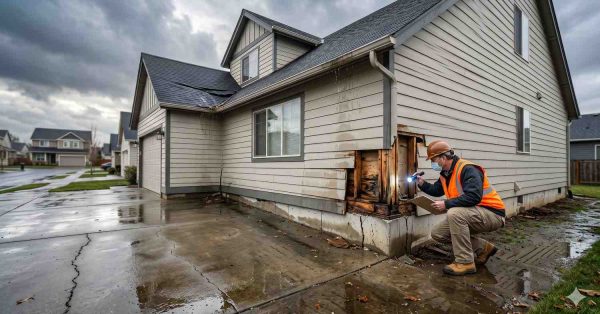
Some of the most serious damage is invisible. A sudden spike in your water bill often points to a slow leak inside walls or under slabs. Persistent humidity, condensation on windows, and a musty odor without a visible source suggest moisture trapped in cavities. Moisture meters and thermal imaging used by professionals can confirm hidden saturation. Discoloration that returns after cleaning, tiles that sound hollow, or grout lines that crumble are quiet red flags. Hidden damage left untreated leads to wood rot, insulation failure, and mold colonies that compromise air quality long before visible signs appear.
Professional water damage restoration becomes essential once these structural and hidden indicators appear, because surface drying alone cannot reverse saturation that has reached framing, insulation, or subflooring.
When Water Damage Becomes an Emergency
Water damage becomes an emergency when the source is active, the water is contaminated, or saturation has lasted more than 48 hours. Burst pipes, sewage backups, storm flooding, and overflowing appliances demand immediate action. In these cases, emergency plumbing repair is the first step to stop the source before drying or restoration can begin safely.
Electrical hazards, ceiling collapse risk, and rising water levels also push damage into emergency territory. Property managers should shut off the main water supply, cut power to affected areas, and document everything for insurance.
Health Risks From Mold and Contamination
Mold can begin growing within 24 to 48 hours of saturation, releasing spores that trigger allergies, asthma, and respiratory illness. Category 2 (gray water) and Category 3 (black water) involve bacteria, sewage, or chemical contaminants that pose immediate health risks. Porous materials touched by contaminated water usually cannot be salvaged. When mold appears or contamination is suspected, certified mold remediation specialists should handle removal using containment, HEPA filtration, and antimicrobial treatment to protect occupants and prevent recurrence.
Categories and Classes of Water Damage
Restoration professionals classify water damage by source and spread. Category 1 is clean water from supply lines. Category 2 is gray water from appliances. Category 3 is black water from sewage or flooding. Classes 1 through 4 measure how much material is saturated and how deeply moisture has penetrated. Higher categories and classes mean longer drying times, more replacement, and stricter safety protocols.
Conclusion
Serious water damage reveals itself through structural changes, hidden moisture, contamination risk, and rapid mold growth. Recognizing these signs early protects property value and occupant health.
For homeowners, landlords, and property managers, swift action and professional assessment turn a potential disaster into a controlled, recoverable repair with predictable outcomes.
When water damage looks serious, we move fast. Contact Mr. Local Services to connect with trusted restoration experts ready to inspect, dry, and rebuild your property today.
Frequently Asked Questions
How long does it take for water damage to become serious?
Water damage can become serious within 24 to 48 hours as materials absorb moisture, mold begins forming, and structural components weaken without drying.
Can I fix water damage myself or should I call a professional?
Small, clean-water spills caught early can be dried at home. Saturation, hidden moisture, contamination, or mold always require licensed restoration professionals.
Does homeowners insurance cover serious water damage?
Most policies cover sudden, accidental damage like burst pipes but exclude flooding and gradual leaks. Document damage immediately and review your policy terms.
What does black mold from water damage look like?
Black mold appears as dark green or black patches with a musty odor, often on drywall, wood, or insulation exposed to long-term moisture.
How do professionals test for hidden water damage?
Specialists use moisture meters, infrared thermal cameras, and humidity sensors to detect trapped water inside walls, ceilings, floors, and structural cavities.