Water damage is considered permanent when affected materials cannot return to their original structure, strength, or appearance even after thorough drying and cleaning. Telltale signs include warped wood, crumbling drywall, lasting stains, musty odors, and active mold growth. If moisture has soaked deep into porous surfaces or compromised structural integrity, repair alone will not restore the property. Recognizing these indicators early helps homeowners and property managers decide whether restoration, replacement, or professional intervention is the right next step.
Signs That Indicate Permanent Water Damage
Permanent water damage shows up as warped flooring, sagging ceilings, crumbling drywall, dark stains that resist cleaning, persistent musty odors, and visible mold colonies. When materials lose shape, strength, or surface finish after drying, the damage has crossed from cosmetic to structural and typically requires replacement rather than repair.
Structural Warping and Material Breakdown
Wood floors that buckle, swell, or cup rarely flatten back. Drywall that feels soft, bubbles, or crumbles under light pressure has lost its binding integrity. Ceilings showing sagging spots or visible cracks signal that water has saturated the gypsum core. Subflooring weakened by prolonged moisture loses load capacity, creating safety risks. These physical changes confirm permanence because the internal fibers, adhesives, and structural bonds have broken down beyond recovery, even after the surface appears dry.
Persistent Stains, Odors, and Mold Growth
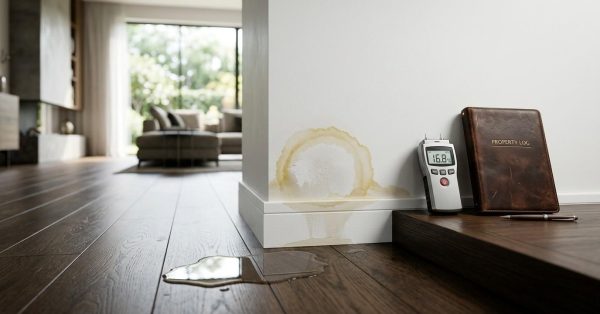
Yellow or brown rings on ceilings and walls that return after painting indicate moisture trapped behind the surface. Musty smells lingering after cleaning point to microbial growth inside wall cavities, insulation, or subfloors. Visible mold patches, especially black or green colonies, confirm that organic materials have been compromised. Once mold colonizes drywall, carpet padding, or wood framing, surface treatment is rarely enough. These signs mean the damaged material harbors contamination that requires removal, not restoration.
Identifying these indicators is the first step. Acting on them quickly with professional water damage restoration determines whether the property recovers fully or faces lasting structural and health consequences.
How Time and Material Type Affect Permanence
The longer water sits, the more likely damage becomes permanent. Most porous materials reach a point of no return within 48 to 72 hours of exposure. Material type plays an equally critical role in whether restoration is possible.
Drywall, Wood, and Flooring Reactions
Drywall absorbs water rapidly and loses structural integrity within a day or two of saturation. Solid hardwood may be salvageable if dried quickly, but engineered wood and laminate flooring almost always require replacement once swollen. Carpet padding traps moisture and breeds bacteria, making full removal the safer choice. Insulation behind walls retains water for weeks, accelerating mold spread.
When mold takes hold, certified mold remediation specialists are needed to safely contain, remove, and prevent recurrence in affected areas.
When Repair Is Possible vs. When Replacement Is Required
Minor surface staining, light warping caught early, and small isolated leaks often respond well to drying, sanitizing, and refinishing. Replacement becomes necessary when materials are structurally compromised, mold has spread beyond ten square feet, or moisture has penetrated framing and subflooring.
For damaged walls and ceilings, professional drywall and ceiling repair restores both appearance and structural soundness when patching alone is no longer enough.
Conclusion
Permanent water damage reveals itself through warping, crumbling, stains, odors, and mold that resist standard cleaning and drying. Material type and exposure time drive the outcome.
For homeowners, landlords, and property managers, early assessment protects long-term value, safety, and indoor air quality across residential and commercial properties.
We at Mr. Local Services connect you with trusted specialists who assess, restore, and replace damaged areas with transparent pricing and dependable workmanship. Get matched today.
Frequently Asked Questions
Can water damage be reversed if caught early?
Yes. If addressed within 48 hours, most surface materials can be dried, sanitized, and saved before structural breakdown or mold growth begins.
How long does it take for water damage to become permanent?
Permanent damage typically begins after 72 hours of unaddressed moisture exposure, when porous materials swell, weaken, or develop mold colonies that cannot be reversed.
Does dried water damage always mean it is gone?
No. Dried surfaces can still hide trapped moisture, weakened structures, or mold inside walls, insulation, and subfloors that require professional inspection to confirm.
Will homeowners insurance cover permanent water damage?
Coverage depends on the cause. Sudden incidents like burst pipes are usually covered, while gradual leaks, neglect, or flooding often require separate policies.
Should I replace drywall after water damage?
Replace drywall when it feels soft, crumbles, shows mold, or remains stained after drying. Surface patching will not restore compromised structural integrity.