Living in a house with water damage is generally not safe, especially if the damage is recent, widespread, or untreated. Within 24 to 48 hours, moisture begins triggering mold growth, weakening structural materials, and creating electrical hazards. Minor, fully dried surface damage may be tolerable short-term, but anything involving sewage, ongoing leaks, or hidden saturation puts your health, safety, and property value at immediate risk.
The Direct Answer: Living With Water Damage Is Rarely Safe
Water damage compromises three things at once: air quality, structural integrity, and electrical safety. Living in the home is unsafe when moisture remains active, when materials stay wet beyond 48 hours, or when the source involves contaminated water. Cosmetic damage that has been fully dried and inspected may be livable, but untreated saturation is not.
Why Even Minor Water Damage Creates Health Risks
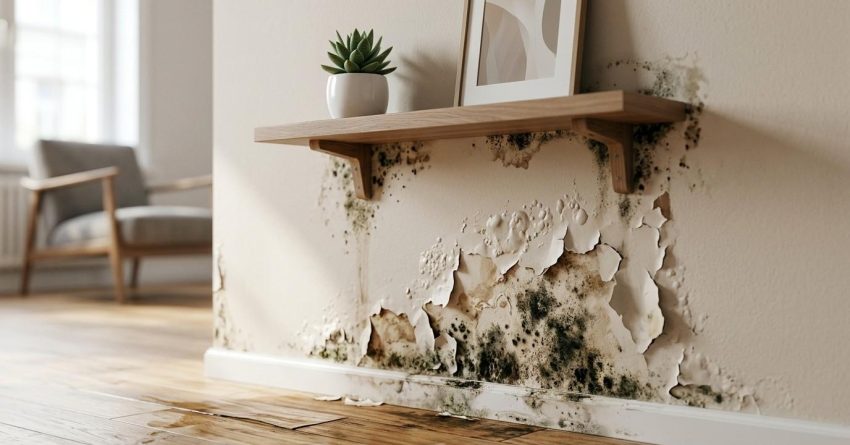
Damp drywall, carpets, and insulation become breeding grounds for mold spores within two days. Continuous exposure can trigger respiratory issues, sinus infections, asthma flare-ups, and skin irritation. Children, elderly residents, and people with weakened immune systems face the highest risk. Even when mold is not visible, airborne spores from hidden saturation behind walls or under flooring circulate through HVAC systems and silently affect indoor air quality across the entire home.
When a House Becomes Uninhabitable
A home is unsafe to occupy when sewage backups occur, when ceilings sag from water weight, when electrical outlets are wet, or when standing water reaches subflooring. Category 3 water, also called black water, contains pathogens that demand immediate evacuation. Compromised load-bearing materials, soaked insulation near wiring, and persistent musty odors all signal that the home requires professional assessment before anyone safely returns to live inside.
Knowing the risks is the first step. Acting on them through professional water damage restoration determines whether the home becomes safe again or continues deteriorating.
Hidden Dangers Behind the Walls
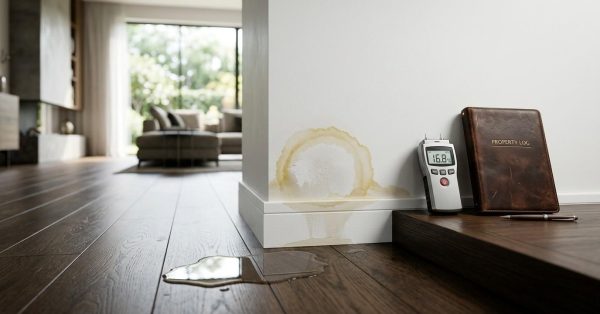
The visible damage is rarely the full picture. Water travels through framing, insulation, and subflooring long before stains appear on drywall. By the time a homeowner notices discoloration, saturation has often spread several feet beyond the surface evidence. This hidden moisture is what makes water damage so dangerous to live with.
Mold, Structural Decay, and Electrical Hazards
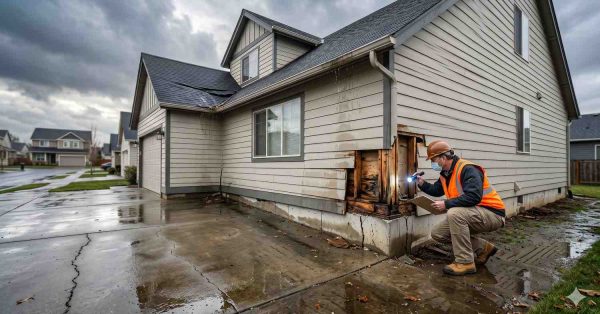
Mold colonies thrive inside wall cavities where airflow is limited and moisture stays trapped. Wood framing absorbs water and begins to rot, weakening the home’s load-bearing structure over months. Wet insulation loses its R-value and stays damp for weeks. Electrical wiring exposed to moisture creates fire and shock risks that may not show symptoms until a breaker trips or an outlet sparks. Certified mold remediation specialists are required when colonies exceed ten square feet.
When You Can Stay vs. When You Must Leave
You may stay if the damage is small, the source is stopped, materials dry within 48 hours, and no contaminated water is involved. You must leave when sewage is present, when mold is widespread, when structural sagging appears, or when electrical systems are compromised. Active leaks require emergency plumbing repairs before any restoration work begins, since drying a home with an unresolved source only delays further damage.
Conclusion
Living in a house with water damage carries real health, structural, and electrical risks that grow worse the longer the moisture remains untreated. Quick assessment and professional restoration protect both your family’s safety and your property’s long-term value, preventing minor incidents from becoming costly, hazardous problems.
We connect homeowners and property managers with vetted restoration professionals through Mr. Local Services. Contact us today for fast, trusted water damage solutions.
Frequently Asked Questions
How long can you safely stay in a house with water damage?
You should leave within 24 to 48 hours if damage is widespread, contaminated, or affecting structural and electrical systems. Minor, dried damage may be safe short-term.
Can water damage make you sick?
Yes. Mold spores, bacteria, and contaminated water cause respiratory issues, allergic reactions, sinus infections, and skin irritation, especially for children and immune-compromised residents.
Is dried water damage still dangerous?
Dried damage can still hide mold, weakened framing, or compromised insulation behind walls. A professional inspection confirms whether the affected areas are truly safe.
Should I sleep in a house with water damage?
Avoid sleeping in affected rooms if mold, dampness, or musty odors are present. Bedrooms with active moisture pose ongoing respiratory risks during long sleep exposure.
Does homeowners insurance cover water damage?
Most policies cover sudden, accidental damage but exclude gradual leaks or flooding. Review your policy and document everything immediately after discovering the damage.