Mold from water damage can be highly toxic, especially when it includes species like Stachybotrys chartarum (black mold) that release mycotoxins into the air. The actual toxicity depends on the mold type, exposure length, indoor humidity, and the health of the people living in the property. For homeowners and property managers, untreated water damage almost always leads to mold growth that threatens both indoor air quality and structural safety.
How Toxic Is Mold From Water Damage?
Mold from water damage ranges from mildly irritating to seriously toxic. Common molds trigger allergies and respiratory issues, while toxic varieties such as black mold release mycotoxins that can cause chronic illness, neurological symptoms, and immune problems. Toxicity rises sharply when moisture sits untreated for more than 24 to 48 hours.
What Makes Water Damage Mold Dangerous
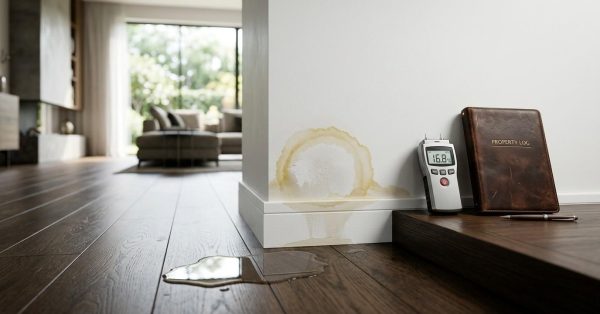
Water damage creates the exact conditions mold needs: moisture, organic material, and warmth. Drywall, carpet, insulation, and wood begin growing mold within two days of exposure. Some species release mycotoxins, microscopic compounds that travel through the air and settle in lungs, sinuses, and skin. The longer water sits, the deeper mold spreads into hidden cavities like wall interiors, subfloors, and HVAC ducts. This hidden growth is often more toxic than visible patches because it remains undisturbed and continues releasing spores into living spaces.
Health Symptoms Linked to Toxic Mold Exposure
Symptoms vary by person but commonly include coughing, sneezing, watery eyes, sinus congestion, skin rashes, and headaches. Prolonged exposure can lead to chronic fatigue, asthma flare-ups, brain fog, and respiratory infections. Children, elderly residents, and people with weakened immune systems face the highest risk. According to the CDC’s mold guidance, indoor mold exposure is linked to upper respiratory tract symptoms in otherwise healthy people. Symptoms often improve once the source is removed, which is why fast action matters.
Identifying toxic mold is only half the answer. Preventing recurrence depends on proper water damage restoration that removes moisture at the source before mold takes hold.
When Water Damage Mold Becomes a Serious Health Risk
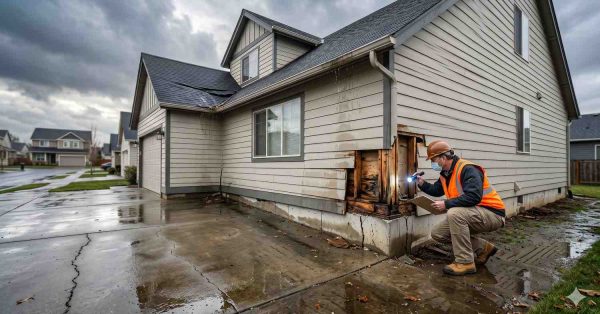
Mold becomes a serious health risk when it spreads beyond a small visible patch, when it hides inside walls or ceilings, or when occupants begin showing repeated respiratory symptoms. Properties with poor ventilation, high humidity, or recurring leaks face compounded risk. Maintaining indoor humidity and ventilation control below 50% is one of the most effective ways to stop mold from establishing in the first place.
High-Risk Groups and Indoor Conditions
Infants, pregnant women, seniors, and anyone with asthma, allergies, or autoimmune conditions react more severely to mold toxins. Rental properties, basements, bathrooms, and homes after flooding carry higher exposure risk. Landlords and property managers have a legal and practical responsibility to address water damage quickly, since delayed response can turn a minor leak into a costly health and liability issue.
How Professional Remediation Reduces Mold Toxicity
A trained remediation team contains the affected area, removes contaminated materials, treats surfaces with antimicrobial solutions, and verifies air quality through testing. DIY cleaning often spreads spores further, especially when bleach is used on porous surfaces. The professional mold remediation process follows industry standards designed to eliminate both visible mold and hidden colonies, restoring safe indoor conditions for residents and tenants.
Conclusion
Mold from water damage carries real health risks, ranging from mild allergic reactions to serious toxic exposure when species like black mold are involved. Acting within the first 24 to 48 hours of any water event is the single most effective way to protect your property and the people inside it.
Need fast, reliable help with water damage or mold concerns? Connect with Mr. Local Services today and get matched with trusted professionals near you.
Frequently Asked Questions
How long does it take for mold to grow after water damage?
Mold can begin growing within 24 to 48 hours of water exposure, especially on drywall, carpet, and wood in warm, humid conditions.
Can I clean toxic mold myself?
Small surface mold under 10 square feet may be cleaned safely. Larger areas or suspected black mold require professional remediation to prevent spore spread.
What does toxic black mold look like?
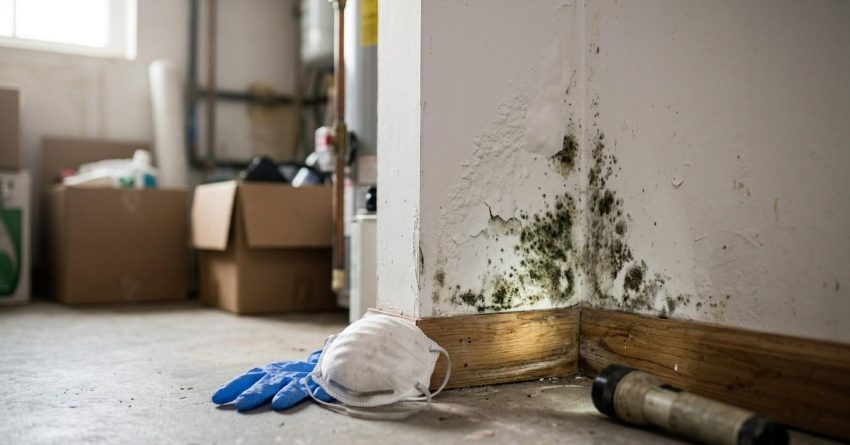
Black mold typically appears dark green or black with a slimy or fuzzy texture, often growing on damp drywall, ceiling tiles, or wood after persistent leaks.
Is mold from water damage covered by insurance?
Coverage depends on the cause. Sudden incidents like burst pipes are often covered, but gradual leaks or neglected maintenance are usually excluded from policies.
How do I know if mold is making me sick?
Persistent coughing, sinus issues, headaches, fatigue, or rashes that improve when you leave the home strongly suggest indoor mold exposure.