Understanding the 120 Rule for Water Heaters
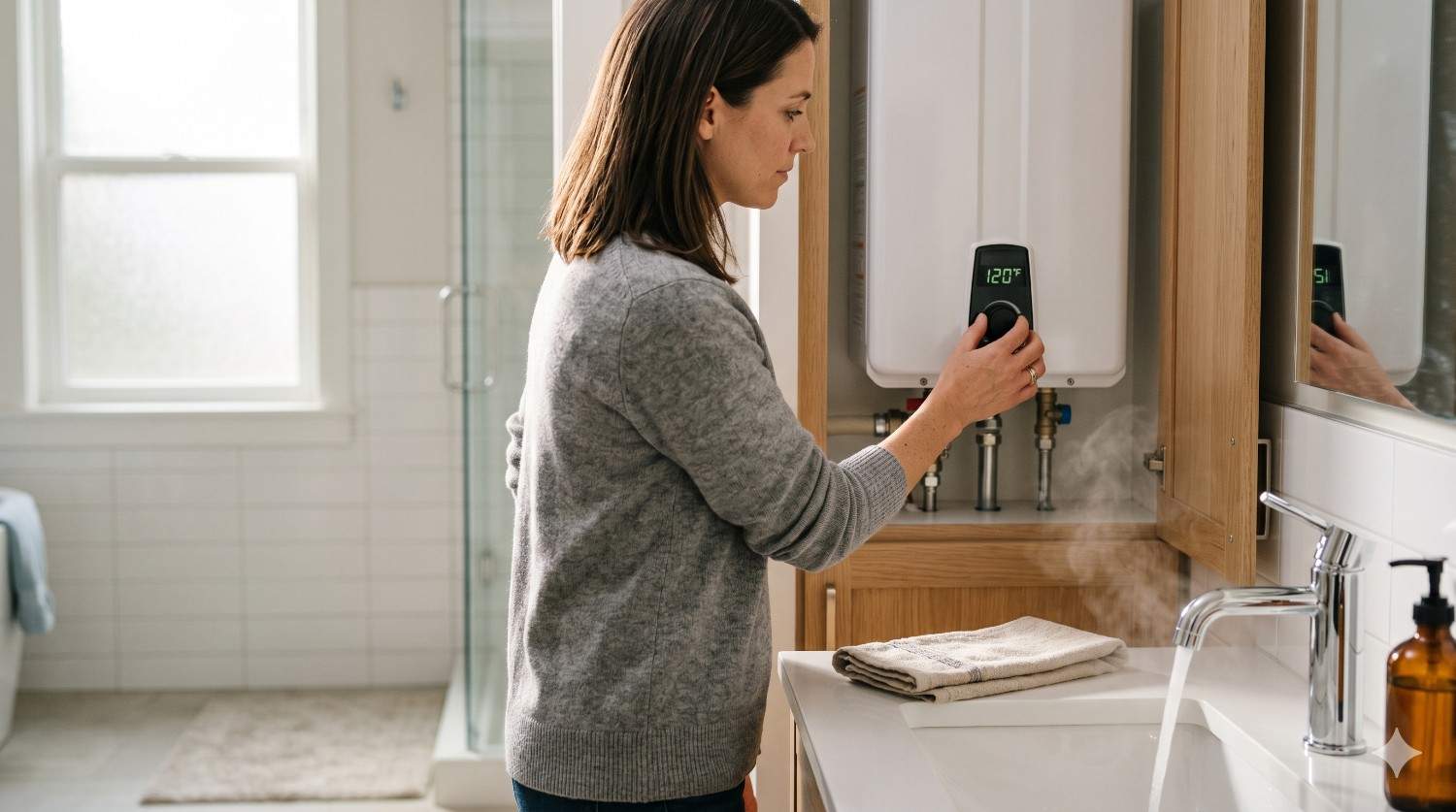
The 120 rule for water states that residential water heaters should be set to a maximum temperature of 120°F (49°C). This setting prevents scalding injuries, slows mineral buildup inside the tank, and reduces energy consumption while still delivering comfortable, sanitary hot water throughout the home.
Homeowners often inherit water heaters preset to 140°F from the factory or a previous owner. At that temperature, a child can suffer third-degree burns in under five seconds. The 120 rule corrects this by aligning the thermostat with safety guidance from the U.S. Consumer Product Safety Commission and most plumbing codes across the country.
Why 120°F Is the Standard Setting
At 120°F, water is hot enough to clean dishes, run washing machines effectively, and provide comfortable showers. It also stays below the threshold where instant skin burns occur. Lower temperatures, such as 100°F, can encourage bacterial growth like Legionella. Higher temperatures waste energy and stress tank components. The 120-degree mark balances safety, hygiene, and efficiency in one practical setting that fits nearly every residential plumbing system.
How the Rule Protects Against Scalding
Scalding risk drops sharply with each degree below 140°F. At 120°F, exposure must last roughly five minutes before serious burns occur, giving children, seniors, and people with limited mobility time to react. This margin matters most in households with young kids, elderly residents, or anyone with reduced sensation in their hands. The 120 rule turns the water heater from a hidden hazard into a managed appliance with predictable, safe output.
Knowing the rule is one thing. Confirming your system actually meets it often calls for professional water heater service to verify thermostat accuracy and tank condition.
Applying the 120 Rule in Your Home
Checking your current setting takes minutes. Run hot water at the kitchen sink for two minutes, then measure the temperature with a kitchen thermometer. If the reading exceeds 120°F, your heater needs adjustment. Gas units have a dial near the bottom of the tank. Electric units require removing an access panel to reach the upper and lower thermostats.
Property managers and landlords should document this setting during routine inspections. A simple temperature log protects tenants and shields owners from liability. For multi-unit buildings or older systems, scheduling regular checkups through full-service plumbing solutions keeps every unit compliant and reduces emergency callouts.
Adjusting Your Water Heater Safely
Turn off power at the breaker before opening any electric water heater panel. For gas units, the dial adjustment is exterior and safer to handle. Move the setting gradually, wait several hours, then retest the water temperature at the tap. Never guess based on the dial markings alone, since thermostats drift over time and rarely match the printed numbers.

When the 120 Rule May Need Adjustment
Some situations call for slightly higher temperatures. Dishwashers without internal heating elements may require 130°F for proper sanitation. Households with immunocompromised residents sometimes need higher settings paired with anti-scald mixing valves at every fixture. Commercial properties often follow stricter codes that override the residential 120 rule.
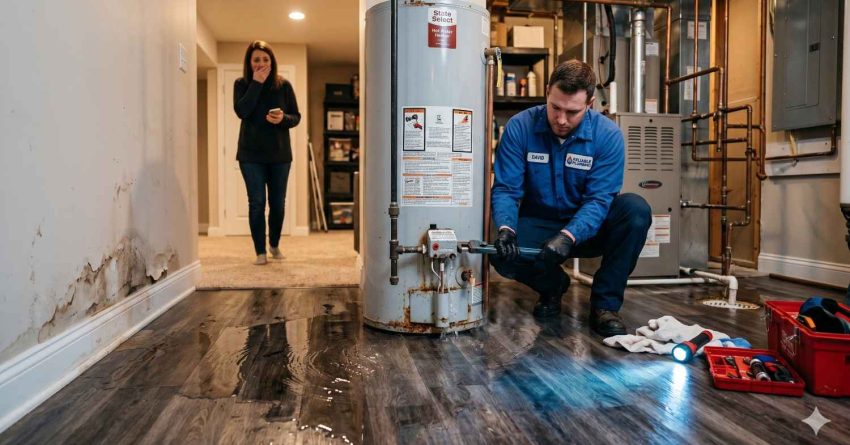
If your heater leaks during temperature changes or shows rust at the base, contact water damage cleanup specialists immediately. A failing tank can release dozens of gallons, damaging floors, drywall, and electrical systems within hours of the first warning sign.
Conclusion
The 120 rule sets residential water heaters at 120°F to prevent scalding, save energy, and protect plumbing components from premature wear.
For homeowners, landlords, and property managers, this single setting reduces injury risk, lowers utility bills, and extends appliance life across every type of property.
We make compliance simple. Contact Mr. Local Services today to connect with trusted plumbing professionals who inspect, adjust, and maintain your water heater the right way.
Frequently Asked Questions
Is 120°F hot enough to kill bacteria in water heaters?
Yes, 120°F suppresses most harmful bacteria, including Legionella, when paired with regular tank flushing and proper circulation throughout the home plumbing system.
Can I set my water heater higher than 120°F safely?
Higher settings increase scalding risk significantly. If you need hotter water, install anti-scald mixing valves at every fixture before raising the thermostat above 120°F.
How much money does the 120 rule save annually?
Lowering a water heater from 140°F to 120°F can cut water heating costs by 6 to 10%, saving most households between $30 and $60 each year.
Does the 120 rule apply to tankless water heaters?
Yes, the same safety logic applies. Tankless units allow precise temperature control, making it easier to maintain 120°F output without sacrificing hot water demand.
Who should adjust my water heater if I’m unsure?
A licensed plumber should handle adjustments on older systems, gas-fueled units, or any heater showing leaks, rust, or inconsistent temperature readings during testing.