The Worst Paid Trade in the USA Right Now
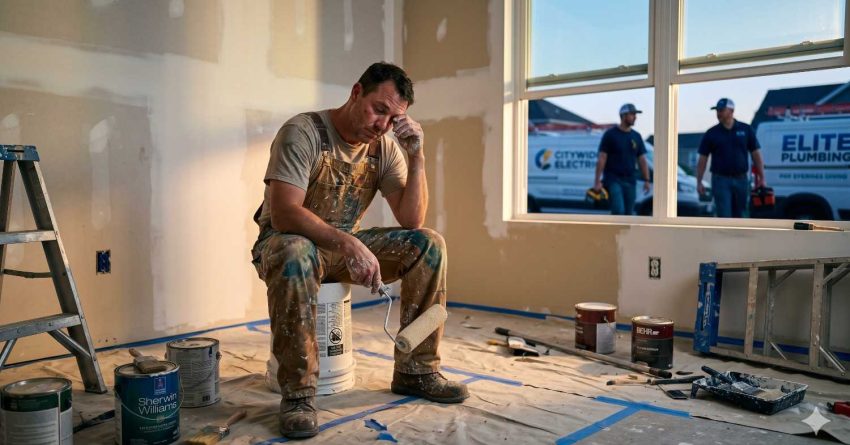
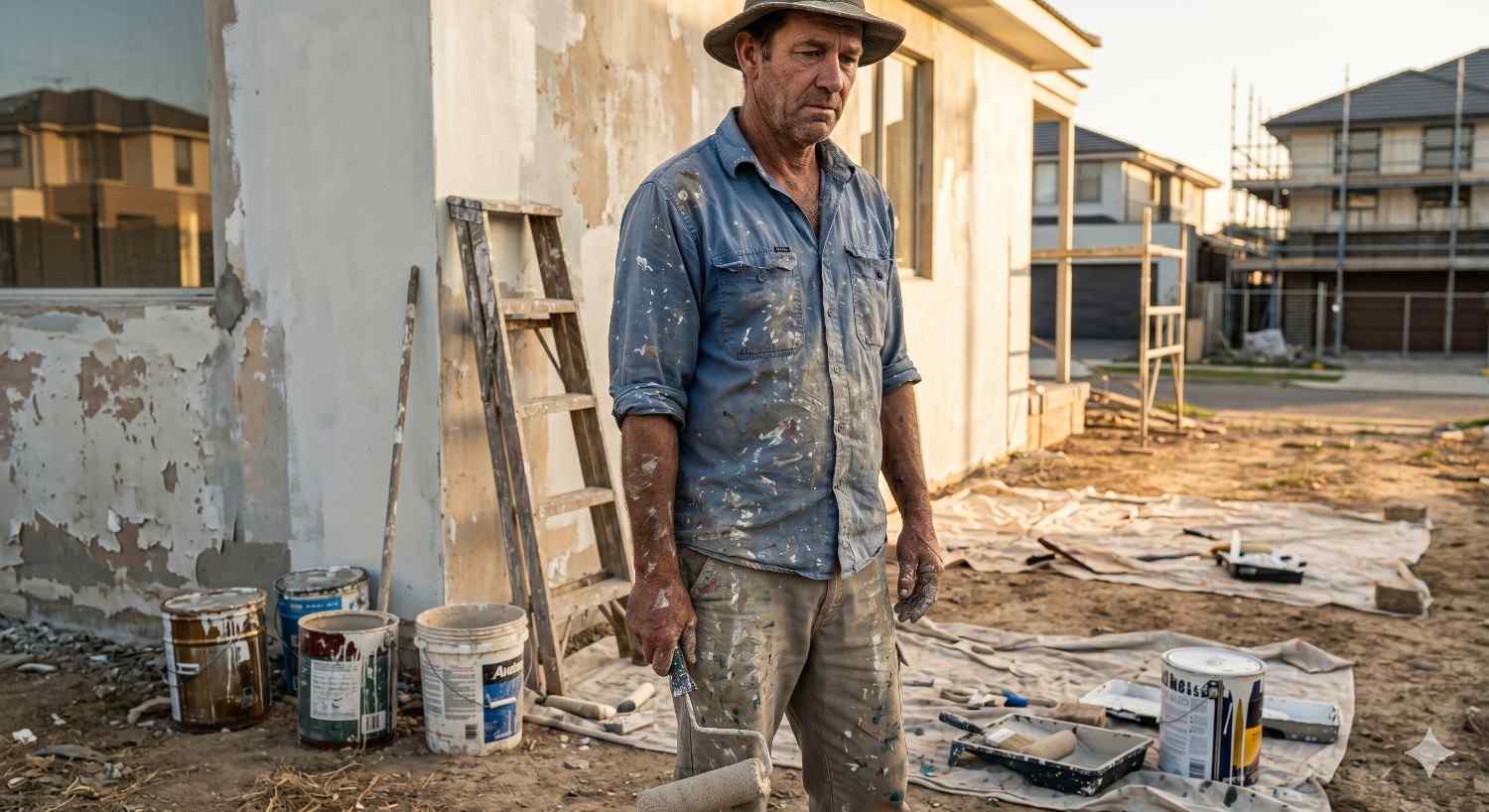
In the USA, painting is widely considered the worst paid trade among skilled construction occupations. According to the U.S. Bureau of Labor Statistics, painters earn a median annual wage of around $47,700, well below electricians, plumbers, and HVAC technicians. Low licensing requirements, seasonal demand, and high competition keep painter wages near the bottom of the trade pay scale.
Why Painters Often Earn the Lowest Wages
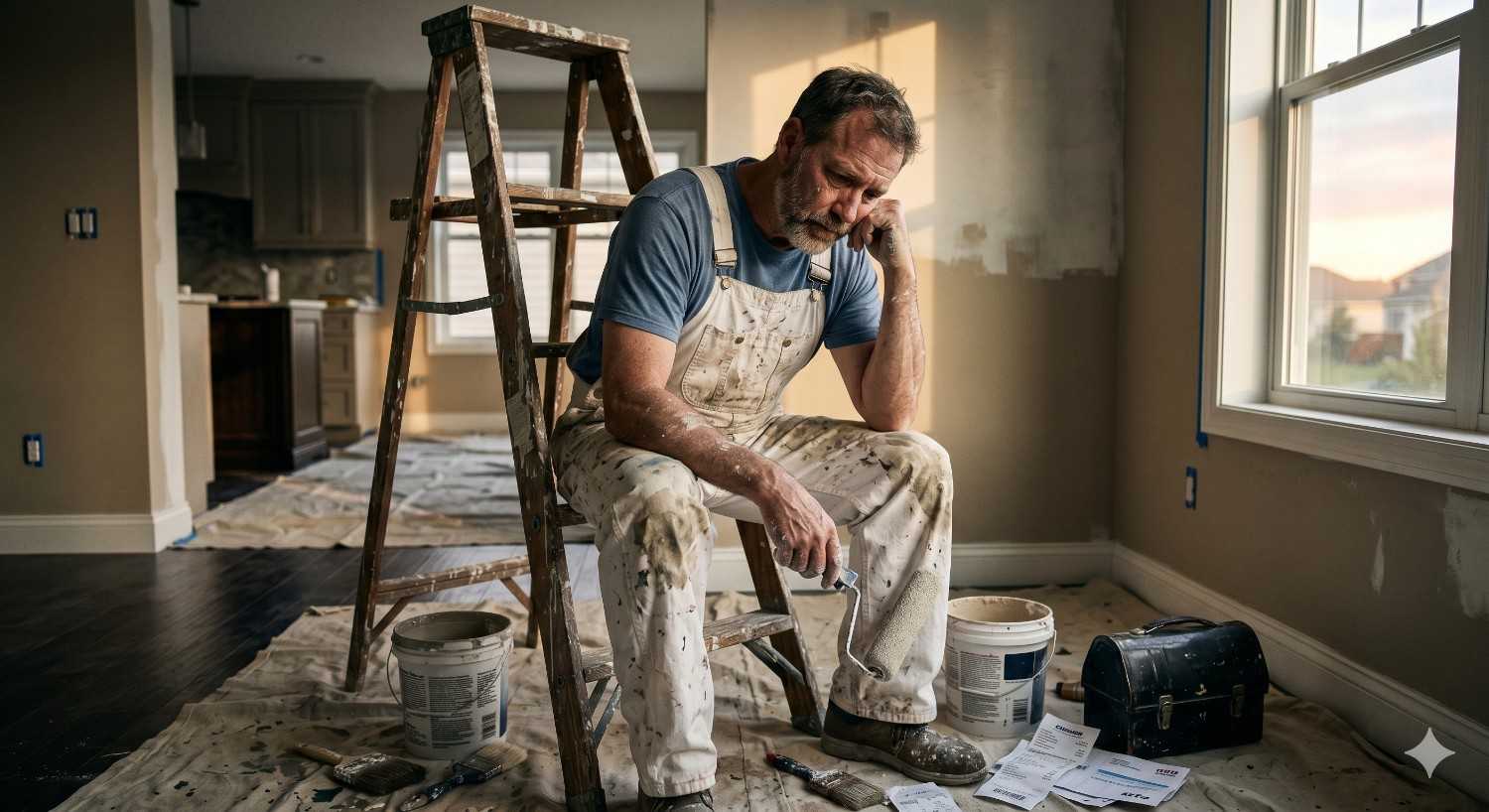
Painting has the lowest barrier to entry of nearly any skilled trade. Most states do not require a specialty license, formal apprenticeship, or technical certification to start working. That open access floods the market with new workers, which pushes hourly rates down. Many painters also depend on residential repaints, which slow during winter months and create unstable income. Material costs are predictable, so contractors compete on price rather than expertise. The result is a trade with steady demand but consistently soft wages compared to licensed trades.
How Pay Compares Across Skilled Trades
Pay across the trades varies sharply based on training, certification, and risk. Electricians and plumbers typically earn $60,000 to $75,000 annually, while HVAC technicians and roofers fall in the mid-range. Carpenters, drywall installers, and landscapers earn closer to painters. The pattern is consistent: trades requiring multi-year apprenticeships, licensing exams, and specialized tools command higher pay. Trades with lighter credentialing pay less, even when the work itself demands real skill, stamina, and attention to finish quality.
Understanding pay is the starting point. The deeper question is why some trades stay underpaid year after year, and that comes down to how hiring a professional painting service reflects market structure, not effort or craftsmanship.
Why Some Trades Pay Less Than Others
Three forces shape trade pay: licensing requirements, demand stability, and skill scarcity. Trades with strict licensing limit supply, which protects wages. Trades tied to emergencies, like plumbing or electrical work, command premium rates because urgency removes price sensitivity. Trades viewed as cosmetic rather than essential, including painting and basic landscaping, face price-driven competition. Property managers and homeowners often expect bundled or discounted rates, which compresses margins for these service categories. Working with reliable skilled trade professionals helps property owners get consistent quality without overpaying or underpaying the people doing the work.
Demand, Skill Barriers, and Licensing Gaps
States that require painter certification, like California for lead-safe work, see slightly higher wages. States without such rules see flatter pay. Specialty painters who handle commercial coatings, industrial finishes, or historic restoration earn significantly more than residential painters. The trade itself is not low-skill. The market simply rewards specialization and credentials, and most painters work in the general residential segment where competition is heaviest.
Low-Pay Trades vs. High-Value Service Opportunities
Low pay does not mean low value. Painters, landscapers, and cleaning professionals deliver services that directly protect property value, curb appeal, and tenant satisfaction. For homeowners and landlords, choosing a provider who pays fair wages usually means better workmanship, safer practices, and longer-lasting results. The cheapest bid often signals corner-cutting on prep work, materials, or labor conditions. Property managers who prioritize trustworthy, transparent pricing get more reliable outcomes across every service category.
Conclusion
Painting ranks as the worst paid trade in the USA due to low licensing barriers, seasonal demand, and heavy price competition.
For homeowners, landlords, and property managers, understanding trade pay helps set realistic expectations and identify providers who balance fair pricing with quality results.
We at Mr. Local Services connect you with vetted professionals across every home service category. Get matched with trusted local experts today.
Frequently Asked Questions
What is the lowest paying skilled trade in 2025?
Painting remains the lowest paying skilled trade in 2025, with median wages near $47,700, driven by minimal licensing requirements and high market competition.
Do painters earn less than electricians?
Yes. Electricians earn roughly $25,000 to $30,000 more annually than painters because of strict licensing, longer apprenticeships, and higher safety risk on the job.
Which trade has the lowest barrier to entry?
Painting has the lowest barrier to entry. Most states require no specialty license, formal apprenticeship, or technical certification to begin working professionally.
Are landscaping jobs paid less than painting?
Landscaping pay is comparable to painting in many regions. Both rank among the lowest paid trades due to seasonal demand and limited licensing requirements.
Can specialty painters earn higher wages?
Yes. Painters specializing in commercial coatings, industrial finishes, or historic restoration earn significantly more than standard residential painters across most U.S. markets.