You should worry about water damage the moment you spot persistent moisture, discoloration, musty odors, sagging surfaces, or rising utility bills without explanation. These signs point to active leaks, hidden saturation, or structural compromise that worsen quickly. Acting within the first 24 to 48 hours often prevents mold, rot, and costly repairs. Knowing exactly which signs demand attention helps homeowners and property managers protect their investment and avoid major restoration costs down the line.
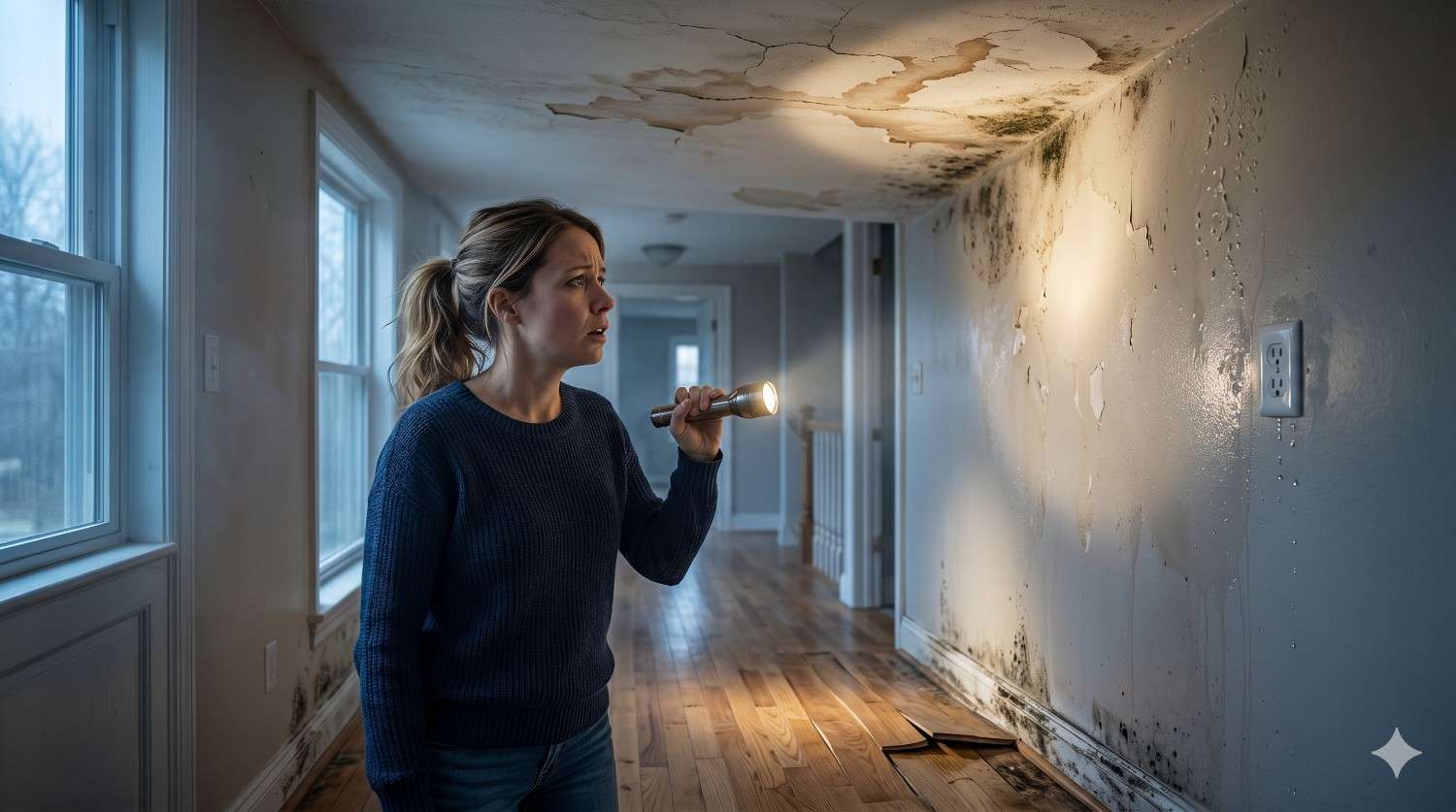
Warning Signs That Mean You Should Worry About Water Damage
Worry about water damage when you see stains, smell mustiness, notice warped flooring, or detect unexplained moisture. These indicators suggest water is reaching places it shouldn’t. Left untreated, even small leaks weaken drywall, damage subfloors, and create conditions for mold within 24 to 48 hours. Early detection is the difference between a simple repair and full restoration.
Visible Signs You Cannot Ignore
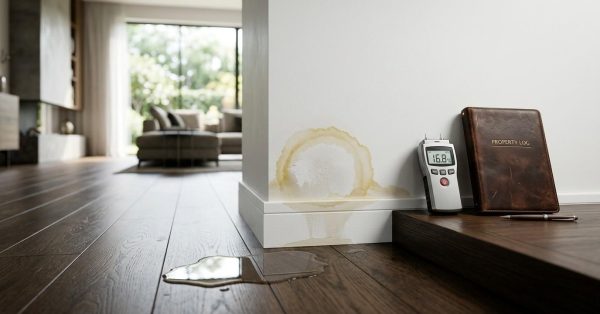
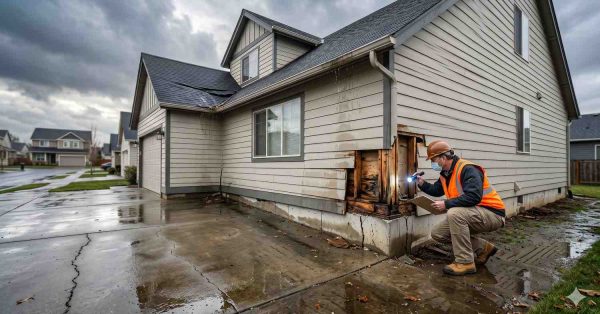
Brown or yellow stains on ceilings and walls almost always signal an active or recent leak. Peeling paint, bubbling wallpaper, and warped baseboards mean moisture is sitting behind the surface. Buckled hardwood, lifting tile, or soft spots in laminate flooring point to saturation underneath. Rust around plumbing fixtures, water heaters, or appliances suggests slow leaks. Visible mold, even in small patches, confirms moisture has been present long enough to feed spores.
Hidden Signs Behind Walls, Floors, and Ceilings
A musty smell with no visible source is one of the strongest indicators of hidden water damage. Sudden spikes in your water bill often reveal leaks inside walls or beneath slabs. Cool spots on flooring, condensation on windows, or paint that feels slightly damp also signal trapped moisture. Sagging ceilings or drywall that flexes under light pressure means water has accumulated behind the surface and structural materials are weakening.
Spotting these warning signs is only the first step. The next concern is knowing when the situation calls for professional water damage restoration, because timing determines whether repairs stay manageable or escalate.
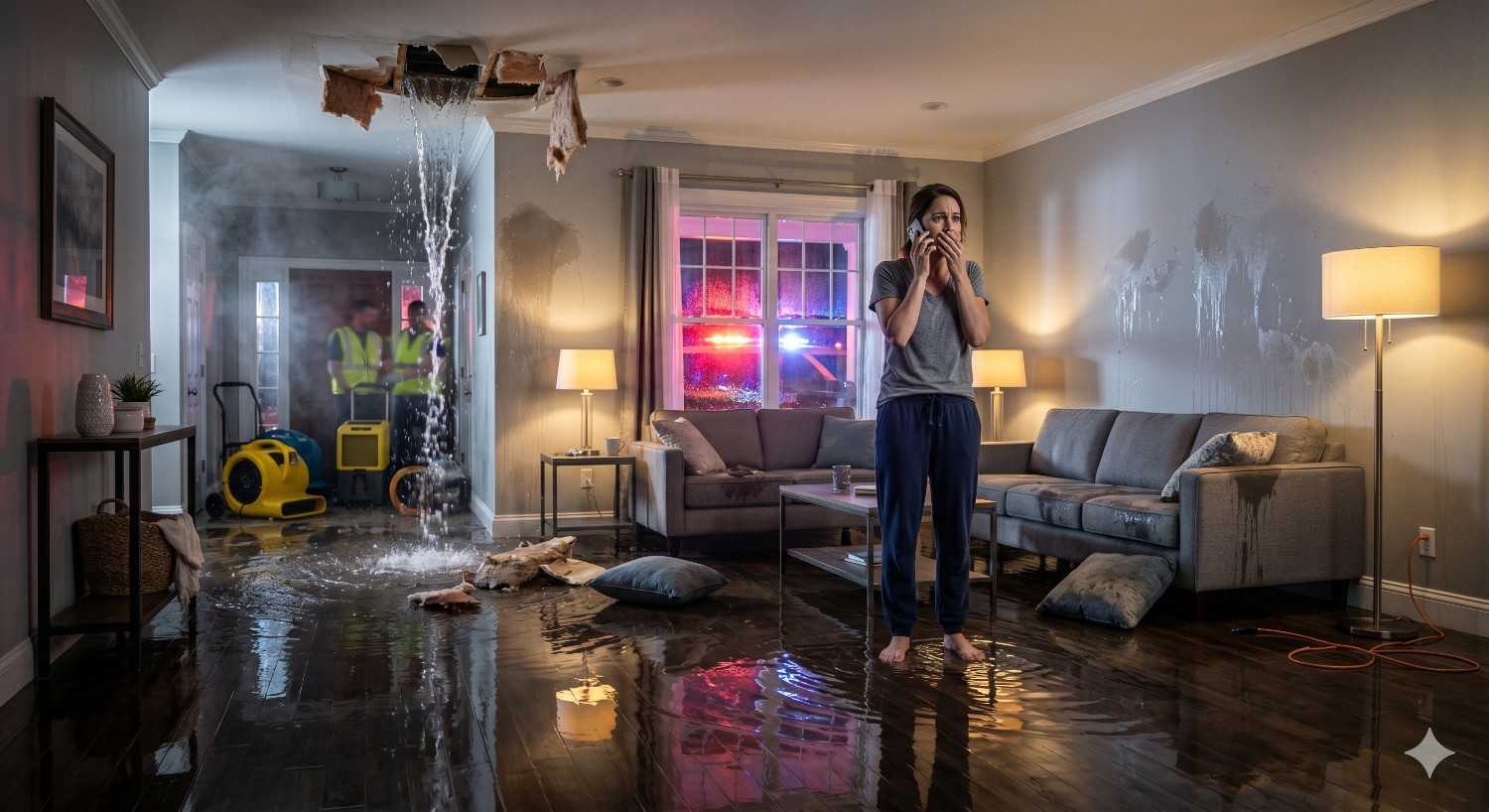
When Water Damage Becomes an Emergency
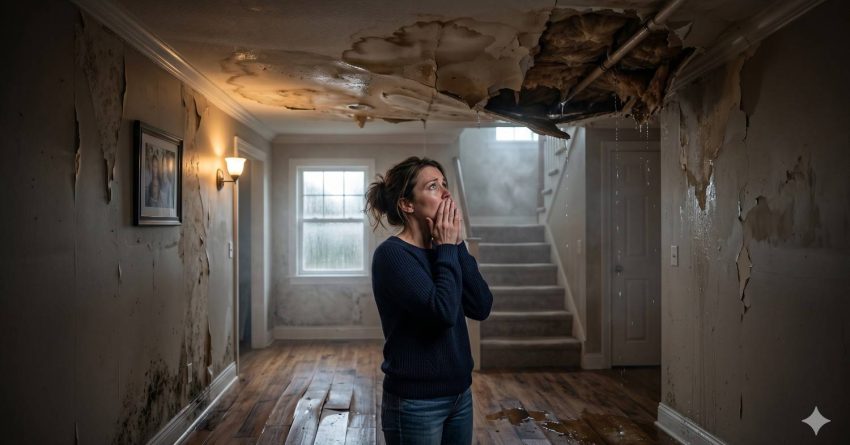
Water damage becomes an emergency when standing water is present, ceilings sag visibly, electrical systems are exposed to moisture, or sewage backs up into the home. These situations create immediate safety risks, including structural collapse, electrocution, and biohazard contamination. Emergencies also include burst pipes, overflowing appliances, and storm-related flooding. In every case, fast professional response within the first day is critical to limit damage and prevent mold growth following water exposure.
Situations That Need Immediate Professional Help
Call a professional immediately if water is actively flowing, electrical outlets are wet, or you suspect contaminated water from a sewer line, dishwasher, or washing machine. Sagging ceilings ready to collapse, soaked insulation, and saturated subfloors also need urgent intervention. Anytime water has sat for more than 24 hours, mold risk rises sharply, and DIY drying is no longer enough.
When Water Damage Is Minor vs. Serious
Minor water damage typically involves a small, contained leak caught quickly, dried within hours, and limited to surface materials. A spill from an overflowing sink or a slow drip caught early often falls into this category. Serious water damage involves saturated drywall, swollen wood, contaminated water, large affected areas, or any moisture that has been present longer than two days. Serious cases require professional drying equipment, moisture testing, and sometimes structural repair to fully resolve.
Conclusion
Worry about water damage as soon as you notice stains, odors, warping, or unexplained moisture, because early action prevents costly structural and mold problems.
For homeowners, landlords, and property managers, treating water damage as a time-sensitive issue protects property value, tenant safety, and long-term maintenance budgets.
When the signs appear, we recommend calling Mr. Local Services right away to connect with trusted experts who restore your property quickly and reliably.
Frequently Asked Questions
How long does it take for water damage to become serious?
Water damage often becomes serious within 24 to 48 hours, when mold starts forming and structural materials begin weakening from prolonged moisture exposure.
Can small water stains be ignored?
No. Even small stains usually indicate an active or past leak. Ignoring them allows hidden moisture to spread, weaken structures, and feed mold growth.
Does homeowners insurance cover water damage?
Most policies cover sudden, accidental water damage but exclude gradual leaks, neglected maintenance, and flooding. Always review your specific policy and document damage immediately.
How can I tell if water damage is hidden inside walls?
Look for musty odors, soft drywall, peeling paint, higher water bills, or warm and cool spots. A moisture meter or professional inspection confirms hidden damage.
Is dried water damage still a concern?
Yes. Dried damage can still hide mold, weakened wood, and compromised drywall. A professional assessment ensures the area is fully safe and structurally sound.