The improvements that raise home value the most are kitchen and bathroom renovations, curb appeal upgrades, and structural system replacements — particularly roofing, HVAC, and electrical. These projects consistently deliver the strongest return on investment because they address what buyers, appraisers, and lenders evaluate first. Whether you are preparing to sell, refinancing, or simply protecting your investment, knowing which upgrades move the needle helps you spend where it counts.
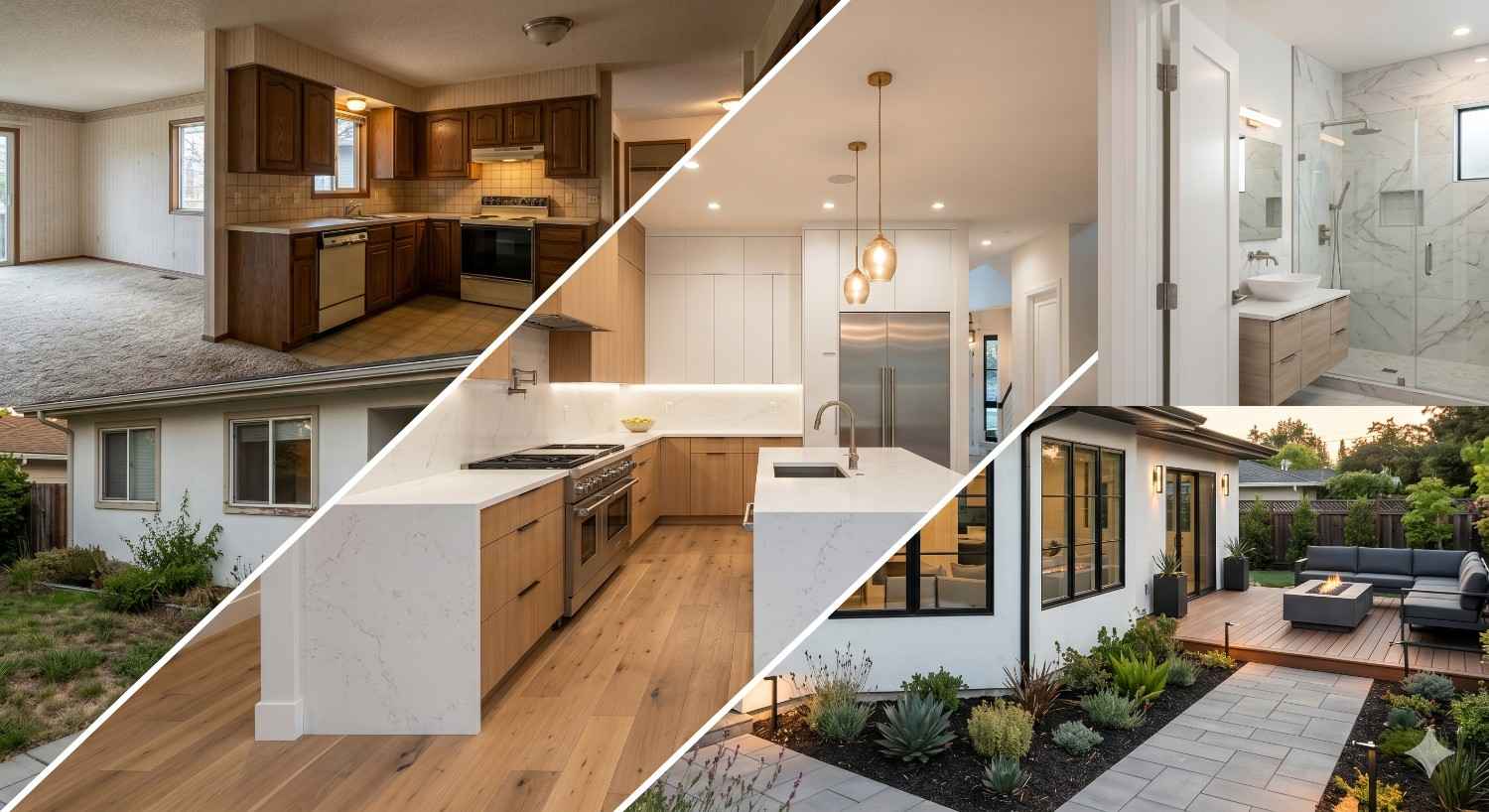
Kitchen and bathroom renovations, exterior upgrades, and functional system replacements are the categories that raise home value the most. These improvements directly influence appraisal outcomes, buyer perception, and time on market. Projects in these categories return between 60% and 80% of their cost at resale, according to industry cost-versus-value benchmarks, making them the most reliable places to invest before listing or refinancing.
Kitchen and Bathroom Upgrades
Kitchens and bathrooms carry more weight in a home appraisal than any other interior space. Buyers evaluate these rooms first, and appraisers assign value based on condition, finish quality, and functional layout.
A mid-range kitchen remodel — updated countertops, new cabinet fronts, modern fixtures, and energy-efficient appliances — consistently returns more than a full luxury renovation. The goal is not to over-improve for the neighborhood. It is to bring the kitchen in line with comparable homes nearby.
Bathroom upgrades follow the same logic. Replacing outdated tile, installing a new vanity, upgrading lighting, and re-caulking or re-grouting surfaces signal to buyers that the home has been maintained. Even cosmetic bathroom updates add measurable value when the rest of the home is competitive.
Curb Appeal and Exterior Improvements
First impressions set the price ceiling before a buyer walks through the door. Homes with strong curb appeal sell faster and at higher prices than comparable properties with neglected exteriors.
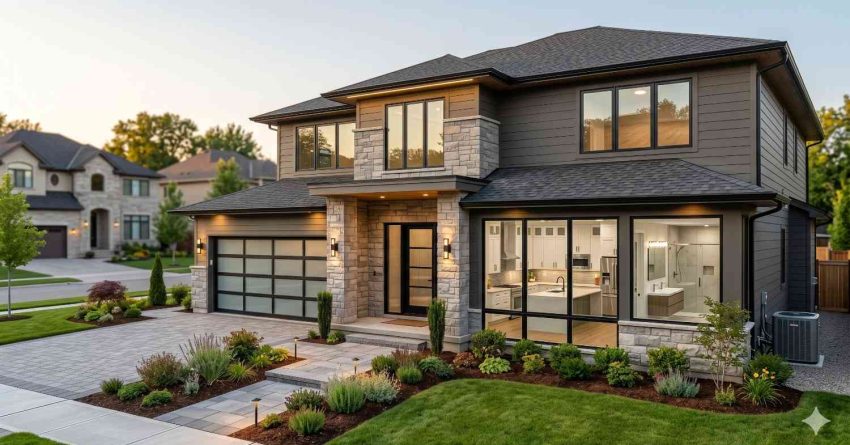
Curb appeal improvements that make a strong first impression include fresh landscaping, a new front door, exterior paint, updated lighting, and clean driveways and walkways. These projects are relatively low cost compared to interior renovations, but their impact on perceived value is immediate and significant.
Exterior paint alone can return more than its cost at resale. A new front door, particularly a steel entry door, consistently ranks among the highest-returning improvements in national cost-versus-value studies.
Knowing which improvements add value is the first step. The more practical question for most homeowners is how to sequence and execute remodeling projects that fit your budget without over-investing in a single category or neglecting the systems that protect the home’s structural integrity.
Structural and Systems Upgrades That Protect Long-Term Value
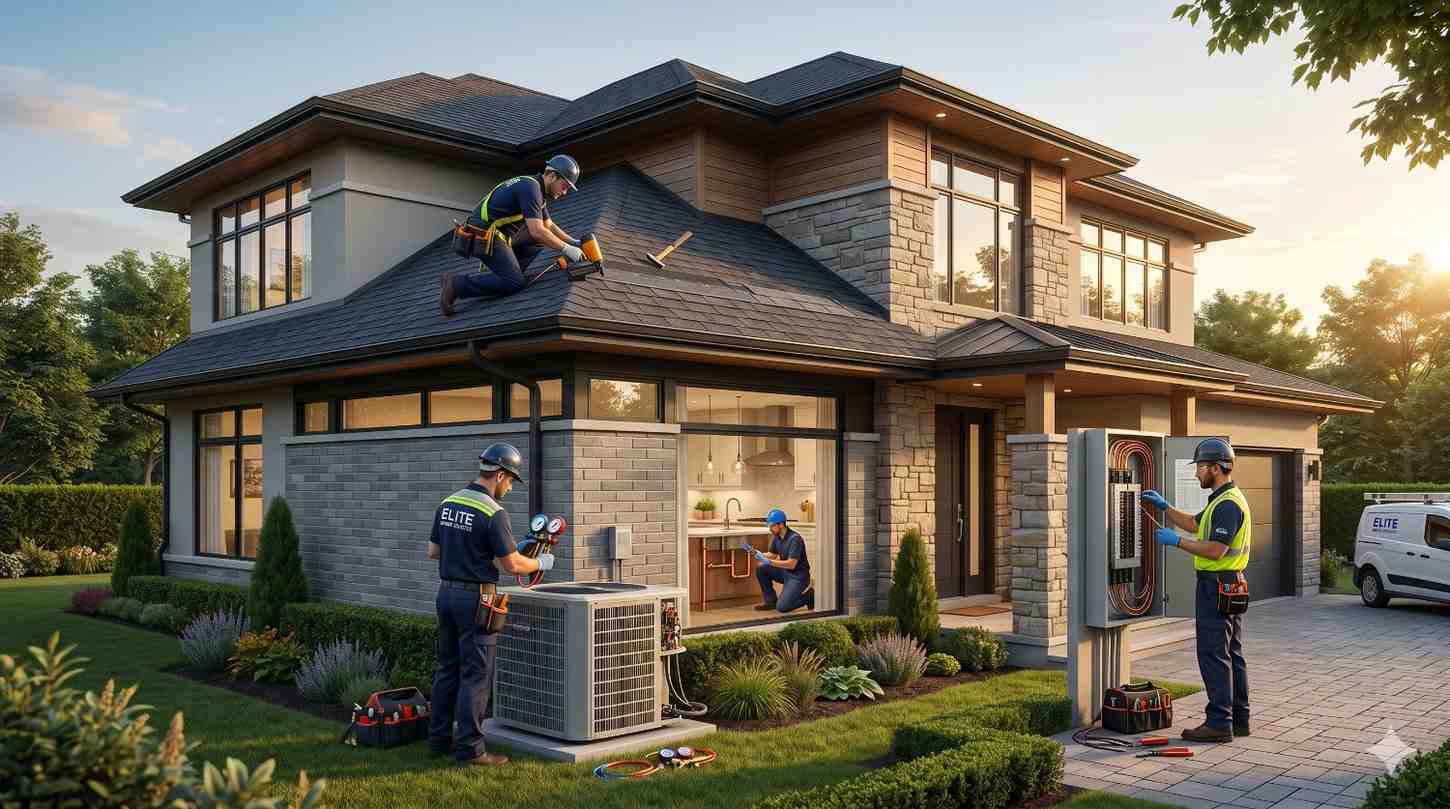
Cosmetic upgrades attract buyers. Systems upgrades protect the appraisal. Lenders and appraisers flag homes with aging or failing mechanical systems, and buyers use inspection findings to negotiate price reductions. Addressing these systems before listing removes the most common sources of deal-killing contingencies.
Roofing, HVAC, Electrical, and Plumbing
Roofing condition affects both appraisal value and buyer confidence more than most homeowners expect. A roof with less than five years of remaining life expectancy can trigger lender requirements, reduce appraised value, or cause buyers to walk away entirely. Replacing an aging roof before listing removes that risk and signals that the home has been properly maintained.
HVAC systems follow a similar pattern. A functioning, recently serviced heating and cooling system is expected — not a selling point. But a failing system is a liability. Buyers factor replacement costs directly into their offers.
Electrical panels and plumbing systems matter most during inspection. Outdated panels, aluminum wiring, or galvanized pipes are red flags that reduce buyer confidence and appraised value. Addressing known issues before listing keeps negotiations clean.
What Buyers and Appraisers Actually Look For
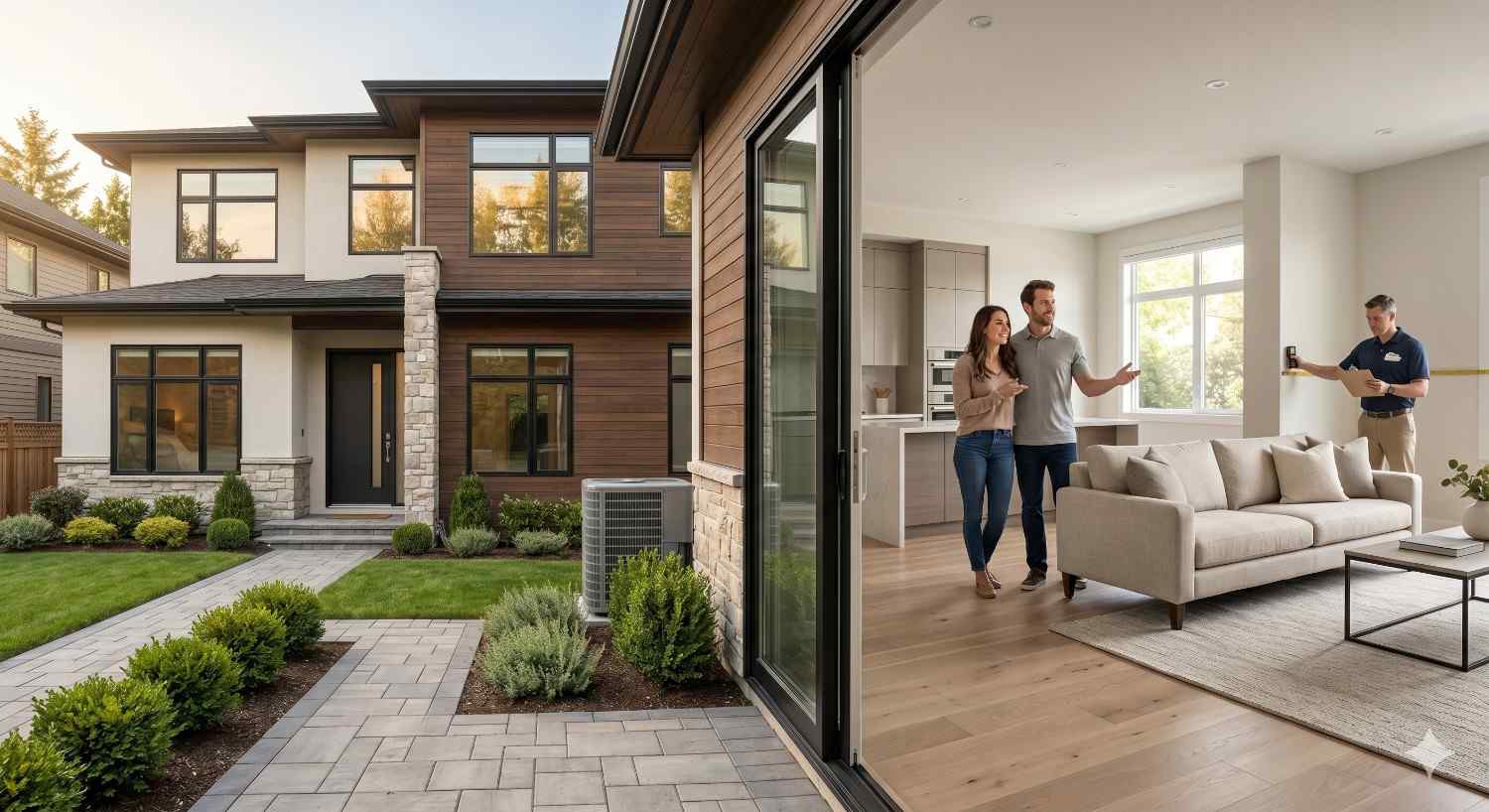
Buyers respond to condition, layout, and finish quality. Appraisers respond to comparable sales, square footage, and functional utility. The improvements that raise home value the most are the ones that satisfy both audiences simultaneously.
Appraisers do not assign value to personal taste. They compare your home to recently sold properties in the same area with similar features. This means improvements that bring your home in line with neighborhood standards return more than improvements that push it above them.
Buyers prioritize move-in readiness. A home that requires no immediate repairs commands a premium because buyers are already managing the financial and emotional weight of a purchase. Clean, functional, and well-maintained consistently outperforms renovated but neglected.
Energy efficiency is an increasingly weighted factor. Upgraded insulation, energy-efficient windows, and modern HVAC systems reduce operating costs — and buyers are beginning to factor those savings into what they are willing to pay.
Conclusion
The improvements that raise home value the most target the spaces buyers evaluate first and the systems appraisers flag most often. Kitchens, bathrooms, exteriors, and structural systems deliver the strongest, most consistent returns.
For homeowners and landlords, the priority is always condition before cosmetics. A well-maintained home with updated systems and strong curb appeal outperforms a renovated home with deferred maintenance every time.
At Mr. Local Services, we connect you with skilled professionals across every category — from remodeling and roofing to landscaping and electrical — so every improvement is done right the first time.
Frequently Asked Questions
Does landscaping increase home value?
Yes. Landscaping improves curb appeal, which directly influences buyer perception and sale price. Well-maintained yards and clean exterior spaces can add 5% to 10% to a home’s perceived value.
How much does a kitchen remodel increase home value?
A mid-range kitchen remodel typically returns 60% to 80% of its cost at resale. Minor updates — new hardware, countertops, and appliances — often outperform full gut renovations in return on investment.
Does a fresh coat of paint increase home value?
Yes. Interior and exterior paint are among the highest-returning low-cost improvements. Fresh, neutral paint makes a home feel clean, updated, and move-in ready — all factors buyers and appraisers respond to positively.
What home improvements have the worst return on investment?
Luxury upgrades that exceed neighborhood standards — such as high-end pools, premium home theaters, or over-specified kitchens — typically return less than 50% of their cost because comparable sales in the area cannot support the added value.
How do I know which upgrades to prioritize before selling?
Start with condition issues flagged in a pre-listing inspection, then address curb appeal, then kitchens and bathrooms. Prioritize improvements that bring your home in line with comparable sold properties in your neighborhood — not above them.