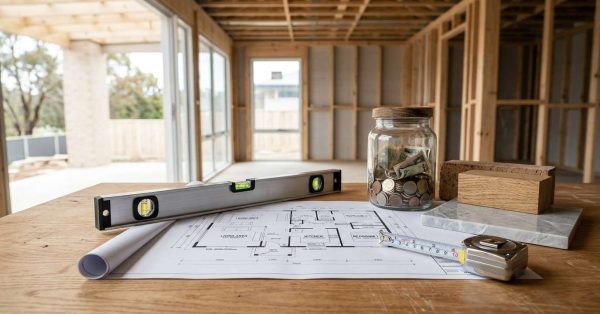
The best time to renovate is spring through early fall, with late spring (April–June) and early fall (September–October) offering the most favorable conditions. Mild weather, dry days, and reliable contractor availability make these months ideal for both interior and exterior projects. Choosing the right season helps protect materials, control costs, and keep your renovation on schedule, especially for homeowners and property managers planning multi-stage upgrades across U.S. climates.

The Best Time to Renovate Is Spring and Early Fall
Spring and early fall deliver the best balance of weather, labor availability, and material performance for renovations. Temperatures are stable, humidity is moderate, and rainfall is typically manageable. Contractors can complete exterior work without weather delays, and interior finishes like paint, drywall mud, and flooring adhesives cure properly. These windows also fall outside peak holiday and summer-vacation slowdowns.
Why Spring Renovations Work Best
Spring offers warming temperatures, longer daylight hours, and dry conditions that benefit nearly every renovation type. Exterior painting, roofing, deck building, and window replacement perform well because materials bond and cure correctly. Contractors often have open schedules early in the season before summer demand peaks. Homeowners who book in March or April typically secure better pricing, faster start dates, and more flexibility on design changes than those waiting until midsummer.
Why Early Fall Is the Second-Best Window
Early fall, especially September and October, mirrors spring’s advantages with cooler air and lower humidity. Interior remodels, flooring installation, and HVAC upgrades thrive in these conditions because dust settles faster and adhesives set evenly. Pest activity also decreases, reducing complications during demolition or framing. Booking fall projects helps homeowners finish before winter sets in, protecting unfinished exteriors and ensuring heating systems are tested and ready before the first cold snap.
Knowing the season is only half the equation. The scope of a full home remodel shapes how timing decisions actually play out across each phase of work.
How Project Type Changes the Ideal Timing
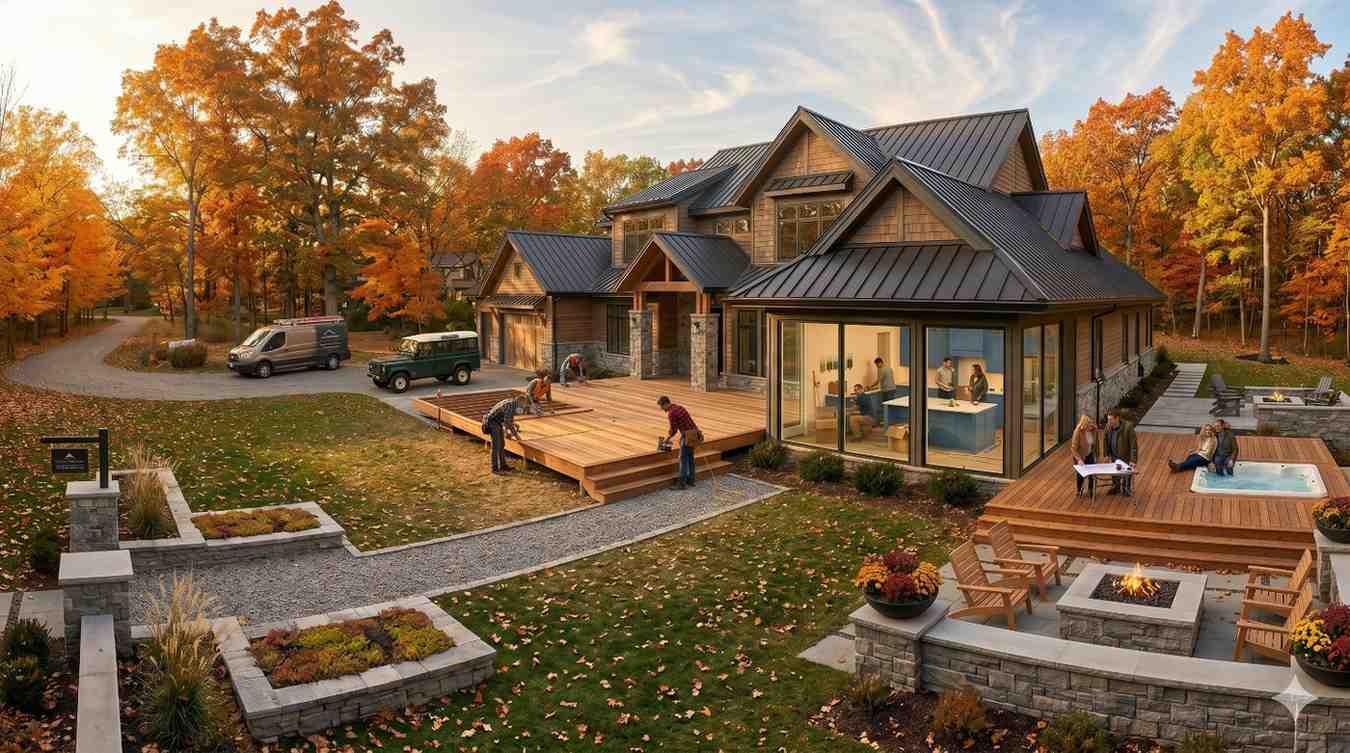
Not every renovation follows the same calendar. Outdoor work depends on weather windows, while indoor projects can run year-round with the right planning. Major remodels need longer lead times and earlier scheduling, while smaller upgrades fit into shorter seasonal gaps. Matching the project to the right month protects materials, keeps crews productive, and prevents costly delays.
Indoor vs. Outdoor Renovation Schedules
Outdoor projects like roofing, siding, and deck building demand dry, mild weather, making late spring through early fall essential. Dry-weather roofing windows are especially narrow in regions with heavy summer storms or early winters.
Indoor renovations such as kitchen remodels, bathroom updates, and flooring can happen anytime, though winter often brings discounted contractor rates. Timing HVAC upgrades correctly matters most in spring or fall, when systems can be installed and tested before extreme temperatures arrive.
Major Remodels vs. Quick Upgrades
Large renovations, like full kitchens, additions, or whole-home remodels, should be scheduled three to six months in advance. Booking in winter for a spring start gives time for permits, design approvals, and material sourcing. Quick upgrades like painting, fixture swaps, or minor drywall repairs can fit into shorter windows year-round. Homeowners juggling multiple services benefit from bundling smaller projects together during off-peak months to reduce labor costs.
Signs It’s Time to Renovate Now (Not Later)
Some renovations cannot wait for the perfect season. Active leaks, failing electrical systems, water damage, pest intrusion, and unsafe stairs or railings all require immediate action regardless of weather. Delaying urgent repairs often turns small issues into structural problems that cost significantly more. Property managers should also act quickly when tenant safety, code compliance, or insurance coverage is at risk. For non-urgent upgrades, planning ahead still wins.
Conclusion
Spring and early fall remain the strongest renovation windows, balancing weather, labor, and material performance. Project type, climate, and urgency all refine the decision.
For homeowners, landlords, and property managers, smart timing protects investment, reduces stress, and keeps properties safe and functional throughout the year.
We make renovations simple. Connect with Mr. Local Services today to schedule trusted, end-to-end home improvement help on your timeline.
Frequently Asked Questions
Is it cheaper to renovate in winter?
Yes. Contractors often offer winter discounts because demand drops. Interior renovations like kitchens, bathrooms, and flooring are well-suited to colder months without weather risk.
How far in advance should I book a renovation?
Book major renovations three to six months ahead. Smaller projects need two to four weeks. Early booking secures better pricing, preferred contractors, and flexible start dates.
Can renovations happen during summer?
Yes, but summer brings higher demand, longer wait times, and weather risks like heat and storms. Booking early spring or early fall usually delivers smoother project timelines.
What renovations should never be delayed?
Roof leaks, electrical hazards, plumbing failures, water damage, and pest infestations need immediate repair. Delays cause structural damage, safety risks, and significantly higher repair costs later.
Does renovation timing affect home value?
Yes. Completing renovations before listing boosts resale value. Spring and early fall projects finish in time for peak buying seasons, maximizing return on investment.