The backsplash trend in 2026 centers on natural stone slabs, warm earthy tones, and bold artisan tile patterns that bring texture and personality into the kitchen. Homeowners are moving away from plain white subway tile toward statement materials like fluted stone, zellige, and full-height marble. For homeowners, landlords, and property managers across the USA, this shift means more design freedom, longer-lasting style, and stronger property value when planning kitchen upgrades.
The Defining Backsplash Trend in 2026
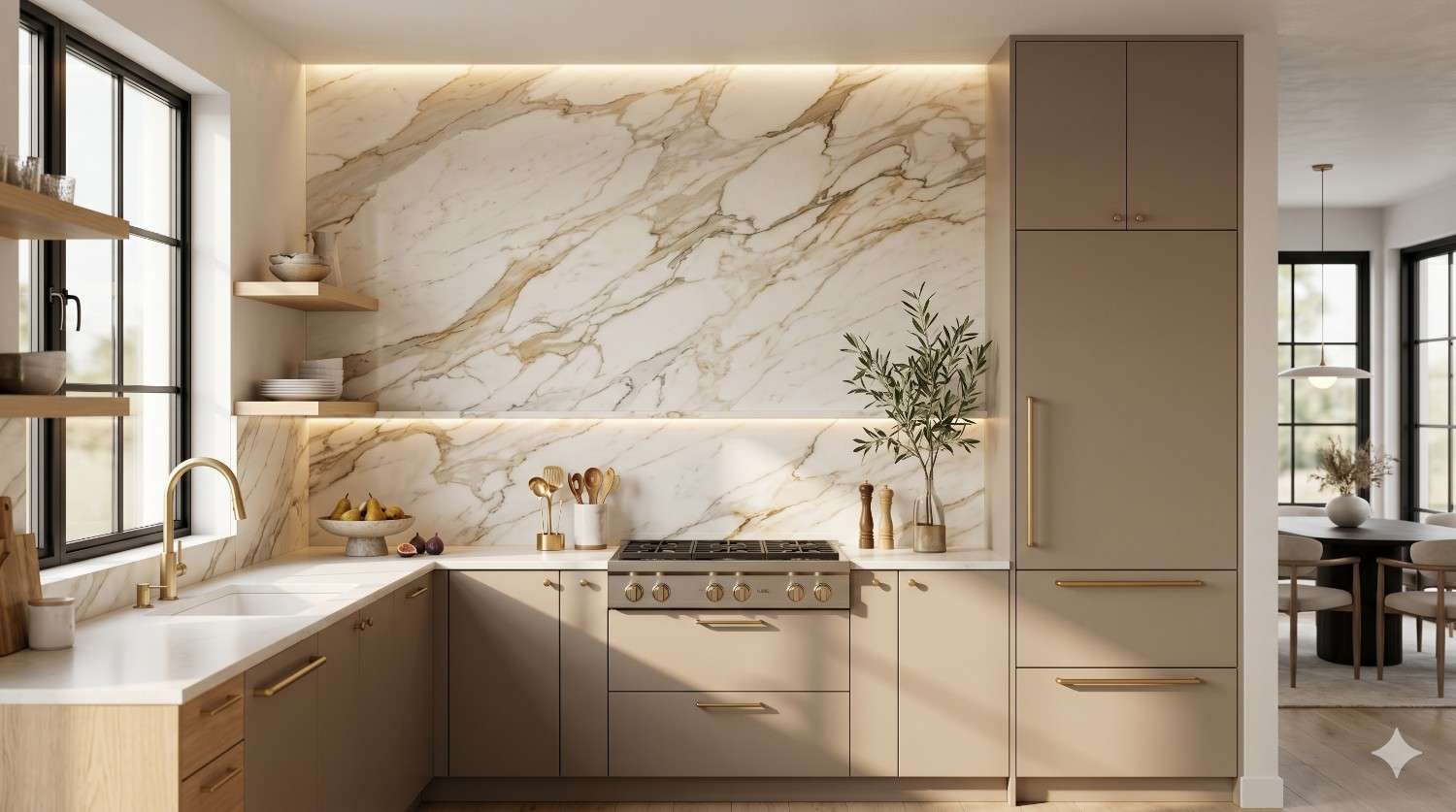
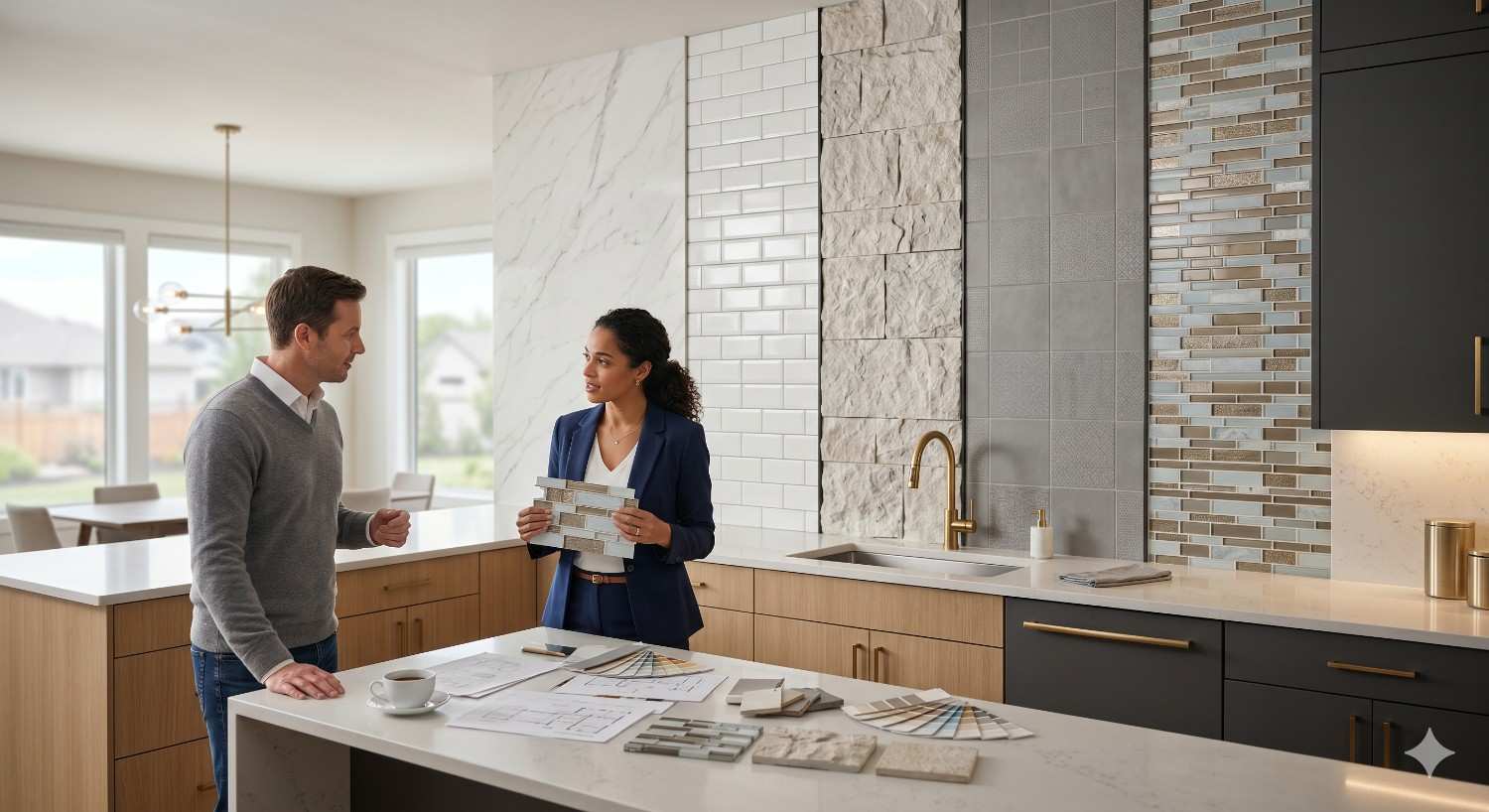
The leading backsplash trend in 2026 is full-height natural stone and textured artisan tile, replacing minimalist subway tile as the new standard. Homeowners want warmth, character, and tactile depth, so materials like marble, quartzite, fluted stone, and handmade zellige tile dominate kitchen design choices this year.
Natural Stone and Earthy Materials Take Over
Natural stone slabs run from countertop to ceiling, creating a continuous, sculptural surface. Quartzite, soapstone, and travertine lead the category because they balance durability with organic veining. Earthy tones like terracotta, mushroom, sage, and warm cream replace cool grays and stark whites. Property managers favor these materials for upscale rentals because they age gracefully and resist visible wear, supporting long-term value across residential and commercial properties.
Bold Colors and Statement Patterns Return
Color is back. Deep greens, navy blues, burgundy, and rust red appear in glossy ceramic and hand-glazed zellige tiles. Geometric patterns, scalloped shapes, and vertical stacked layouts give kitchens a custom, designer feel. Homeowners use these bold backsplashes as the kitchen’s focal point, pairing them with neutral cabinets and quiet countertops. The result feels personal, current, and intentional without overwhelming the rest of the room.
Understanding the trend is one part of the decision. A full kitchen remodel project brings these materials together with cabinetry, lighting, and layout choices that determine the final result.
How Homeowners Are Applying These Trends
Most homeowners apply 2026 backsplash trends in two ways: a focused refresh or a complete kitchen overhaul. A refresh swaps existing tile for a new statement material while keeping cabinets and counters in place. A full overhaul integrates the backsplash with new countertops, fixtures, and cabinet finishes for a cohesive look. Both approaches require accurate measurements, proper surface prep, and quality grout work, which is why professional tile installation protects the investment and prevents cracking, water damage, or uneven seams over time.
Pairing Backsplashes with Modern Kitchen Layouts
Open-concept kitchens benefit most from full-height stone, since the backsplash becomes visible from living and dining areas. Smaller galley kitchens lean toward bold zellige or patterned tile to add visual interest without enlarging the space. Coastal homes favor warm whites with soft veining, while urban properties trend toward dramatic dark stone with brass or matte black hardware accents.
Choosing the Right Backsplash for Your Home
The right backsplash depends on budget, kitchen size, and how long you plan to keep the property. Natural stone slabs cost more upfront but deliver lasting value and timeless appeal. Zellige and handmade tile offer character at a moderate price point. Porcelain slab options mimic stone at a lower cost and resist staining. Landlords and property managers should prioritize durable, neutral materials that appeal to broad tenant audiences while still feeling current.
Conclusion
The 2026 backsplash trend favors natural stone, warm earthy tones, and bold artisan tile that turn the kitchen into a true focal point. These choices add character, durability, and lasting property value for homeowners and property managers alike. From small refreshes handled by trusted local handyman professionals to full kitchen renovations, every project benefits from skilled hands.
We connect you with vetted experts at Mr. Local Services ready to deliver quality work on schedule.
Frequently Asked Questions
What backsplash style is replacing subway tile in 2026?
Full-height natural stone slabs and handmade zellige tile are replacing classic subway tile, offering richer texture, warmer tones, and a more custom, designer-driven kitchen appearance.
Are bold-colored backsplashes a smart choice for resale?
Yes, when used thoughtfully. Deep greens, navy, and warm earth tones appeal to modern buyers, especially when paired with neutral cabinets and timeless countertop materials.
How much does a 2026-trend backsplash cost to install?
Costs range widely based on material and kitchen size. Natural stone slabs cost more, while porcelain and ceramic options stay budget-friendly without sacrificing modern design appeal.
Can I install a trending backsplash myself?
Small tile refreshes are possible for experienced DIYers, but full-height stone, zellige, or patterned layouts require professional installation to ensure clean cuts, level surfaces, and proper sealing.
How long does a backsplash installation take?
Most standard installations take one to three days. Larger full-height stone or intricate pattern installations may extend to a full week, depending on prep work and material availability.