Home maintenance costs in the USA typically range from $1,000 to $5,000 or more per year, depending on your home’s size, age, location, and condition. Understanding what drives these costs — and how to plan for them — is one of the most important financial decisions a homeowner, landlord, or property manager can make.
Skipping routine maintenance leads to larger, more expensive repairs down the road, and without a clear cost framework, it is easy to underestimate what keeping a property in good condition actually requires.
This guide covers every major home service category — from routine upkeep and seasonal tasks to emergency repairs and long-term improvements — so you can budget confidently and make informed decisions about your property.
What Is a Home Maintenance Cost Guide?
A home maintenance cost guide is a structured reference that outlines the typical costs associated with maintaining, repairing, and improving a residential or commercial property. It covers routine service fees, repair cost ranges, seasonal maintenance expenses, and improvement project budgets — organized by service category so homeowners and property managers can plan their spending accurately.
This type of guide serves a practical purpose: it removes the guesswork from property ownership. Rather than discovering costs only when something breaks, a cost guide allows you to anticipate expenses, set realistic annual budgets, and prioritize services based on urgency and return on investment.
For landlords and property managers, a cost guide also supports financial planning across multiple units or properties, helping to forecast maintenance reserves and avoid cash flow disruptions caused by unexpected repair bills.
Average Annual Home Maintenance Costs in the USA
Most financial experts recommend budgeting between 1% and 2% of your home’s purchase price for annual maintenance. For a $350,000 home, that translates to $3,500 to $7,000 per year. However, actual costs vary significantly based on several key factors, including the home’s size, age, geographic location, and the condition of major systems like roofing, HVAC, and plumbing.
According to the U.S. Bureau of Labor Statistics, homeowners spend an average of $3,018 per year on home maintenance and repairs, though this figure rises considerably for older homes and larger properties. Costs in high-cost-of-living states such as California, New York, and Massachusetts tend to run 20% to 40% higher than the national average.
Cost Estimates by Home Size
| Home Size (sq ft) | Estimated Annual Maintenance Cost |
| Under 1,000 | $1,000–$2,500 |
| 1,000–2,000 | $2,000–$4,000 |
| 2,000–3,000 | $3,500–$6,000 |
| 3,000–4,000 | $5,000–$8,500 |
| 4,000+ | $7,500–$12,000+ |
Larger homes have more surface area, more systems, and more components that require regular attention. A 4,000-square-foot property will naturally incur higher costs for painting, roofing, HVAC servicing, and cleaning than a 1,200-square-foot home.
Cost Estimates by Home Age
| Home Age | Estimated Annual Maintenance Cost |
| Under 10 years | $1,500–$3,000 |
| 10–25 years | $3,000–$5,500 |
| 25–50 years | $5,000–$9,000 |
| 50+ years | $8,000–$15,000+ |
Older homes require more frequent attention to aging systems, outdated materials, and accumulated wear. Homes built before 1980 may also carry additional costs related to lead paint remediation, outdated electrical panels, and aging plumbing infrastructure.
Routine Maintenance Costs Every Homeowner Should Budget For
Routine maintenance is the foundation of responsible property ownership. These are the recurring, predictable services that keep your home’s core systems functioning safely and efficiently. Neglecting them consistently leads to accelerated deterioration and significantly higher repair bills.
Heating and cooling systems require regular professional attention — our HVAC service costs guide covers inspection fees, tune-up pricing, and what to expect from seasonal maintenance visits so you can plan your budget accurately. A standard HVAC tune-up typically costs between $75 and $200, while a full system inspection with filter replacement and coil cleaning ranges from $150 to $350 per visit.
HVAC Service and Filter Replacement Costs
| Service | Typical Cost Range |
| Seasonal tune-up (heating or cooling) | $75–$200 |
| Full system inspection and cleaning | $150–$350 |
| Air filter replacement (professional) | $20–$60 per filter |
| Duct cleaning (whole home) | $300–$700 |
| Thermostat replacement | $150–$400 |
HVAC systems should be serviced at least twice per year — once before the heating season and once before the cooling season. Skipping these visits shortens equipment lifespan and increases energy costs.
Plumbing Inspection and Minor Repair Costs
Catching small leaks and drainage issues early prevents costly structural damage — our plumbing inspection guide explains what a standard inspection covers, typical service fees, and when a minor repair becomes a major job.
| Service | Typical Cost Range |
| Annual plumbing inspection | $100–$300 |
| Drain cleaning (single drain) | $100–$250 |
| Faucet repair or replacement | $150–$350 |
| Toilet repair | $100–$300 |
| Water heater flush and inspection | $80–$200 |
Electrical Safety Check Costs
Outdated wiring and overloaded panels are among the most common causes of residential fires — our resource on electrical safety checks outlines what a licensed electrician inspects, how often checks are recommended, and what typical service calls cost.
| Service | Typical Cost Range |
| Electrical safety inspection | $150–$400 |
| GFCI outlet installation (per outlet) | $130–$300 |
| Circuit breaker replacement | $150–$250 |
| Panel upgrade (100A to 200A) | $1,500–$3,500 |
| Smoke and CO detector installation | $50–$150 per unit |
Seasonal Home Maintenance Costs
Seasonal maintenance follows a predictable calendar, and budgeting for it in advance prevents the financial stress of multiple service calls arriving at once. Most homeowners spend between $500 and $2,000 per year on seasonal maintenance tasks alone, depending on their property’s size and regional climate.
Many seasonal maintenance tasks — from caulking windows to patching exterior trim — are handled most efficiently by a skilled handyman; our guide to seasonal handyman services breaks down what these visits typically include and how much to budget per season.
Spring and Summer Maintenance Costs
| Task | Typical Cost Range |
| Gutter cleaning and inspection | $100–$250 |
| Exterior caulking and weatherstripping | $150–$400 |
| Deck inspection and sealing | $200–$600 |
| Window washing (exterior) | $150–$400 |
| Lawn aeration and fertilization | $100–$300 |
| Pest inspection | $75–$200 |
Spring is the ideal time to assess winter damage, clean gutters, inspect the roof, and prepare outdoor spaces for the warmer months. Addressing issues identified in spring prevents them from worsening through summer heat and humidity.
Fall and Winter Maintenance Costs
| Task | Typical Cost Range |
| Furnace inspection and tune-up | $75–$200 |
| Chimney cleaning and inspection | $150–$350 |
| Gutter cleaning (leaf removal) | $100–$250 |
| Pipe insulation | $100–$300 |
| Roof inspection before winter | $150–$400 |
Fall is the most important time to schedule a dryer vent cleaning before heavy usage months begin — our dryer vent cleaning explains the safety risks of blocked vents, average service costs, and how often cleaning is recommended. Blocked dryer vents are a leading cause of residential fires, and a professional cleaning typically costs between $100 and $175.
Home Repair Costs by Service Category
When maintenance is deferred or systems fail unexpectedly, repair costs replace routine service fees. Understanding typical repair cost ranges by service category helps homeowners and property managers respond quickly without overpaying or underestimating the scope of work required.
Roofing Repair and Replacement Costs
Roof damage left unaddressed leads to interior water intrusion and structural deterioration — our dedicated on roofing repair costs covers patch repairs, full replacement pricing, material comparisons, and what factors drive cost differences across the USA.
| Service | Typical Cost Range |
| Minor roof repair (patching) | $150–$500 |
| Moderate repair (flashing, shingles) | $500–$1,500 |
| Full roof replacement (asphalt shingles) | $5,500–$12,000 |
| Full roof replacement (metal) | $10,000–$25,000 |
| Gutter replacement (full home) | $1,000–$2,500 |
Painting and Drywall Repair Costs
Fresh paint is one of the most cost-effective ways to refresh a property’s appearance — our guide to interior painting costs details per-room pricing, labor versus material breakdowns, and what to expect from a professional painting crew.
Water stains, cracks, and holes in walls and ceilings are among the most common repair requests — our drywall repair pricing explains patch versus full panel replacement costs and what affects the final quote.
| Service | Typical Cost Range |
| Interior painting (per room) | $300–$800 |
| Exterior painting (full home) | $2,500–$7,000 |
| Drywall patch (small hole) | $75–$200 |
| Drywall panel replacement | $300–$800 |
| Ceiling repair (water damage) | $250–$1,000 |
Flooring Repair and Replacement Costs
Whether replacing worn hardwood, damaged tile, or outdated carpet, flooring projects vary widely in cost depending on material and square footage — our flooring replacement costs guide provides detailed pricing by material type and installation method.
| Material | Installed Cost per Square Foot |
| Carpet | $3–$8 |
| Luxury vinyl plank | $4–$10 |
| Laminate | $4–$9 |
| Hardwood (solid) | $8–$18 |
| Tile (ceramic or porcelain) | $7–$15 |
Window and Door Repair Costs
Drafty or damaged windows affect both energy efficiency and home security — our on window repair and replacement covers glass repair, full frame replacement, and energy-efficient upgrade pricing across common window types.
Exterior and interior door replacements range significantly in cost based on material, hardware, and installation complexity — our door installation costs guide breaks down pricing for standard, security, and specialty door types.
| Service | Typical Cost Range |
| Window glass repair | $150–$400 |
| Full window replacement (per window) | $400–$1,200 |
| Interior door replacement | $200–$600 |
| Exterior door replacement | $500–$2,000 |
| Sliding glass door replacement | $800–$2,500 |
Appliance Repair and Service Costs
When a major appliance fails, knowing whether to repair or replace it is a critical cost decision — our appliance repair services outlines typical service call fees, repair cost ranges by appliance type, and when replacement makes more financial sense.
| Appliance | Typical Repair Cost Range |
| Refrigerator | $200–$600 |
| Dishwasher | $150–$400 |
| Washing machine | $150–$450 |
| Dryer | $100–$400 |
| Oven or range | $150–$500 |
Pest Control Service Costs
Pest infestations can cause significant structural and health-related damage if not addressed promptly — our pest control pricing guide covers treatment costs by pest type, inspection fees, and ongoing prevention plan pricing.
| Service | Typical Cost Range |
| Initial pest inspection | $75–$200 |
| General pest treatment (one-time) | $150–$400 |
| Termite treatment | $500–$2,500 |
| Rodent extermination | $200–$600 |
| Annual prevention plan | $400–$1,200 per year |
Home Improvement Costs That Add Long-Term Value
Beyond maintenance and repair, strategic home improvements increase property value, improve livability, and reduce long-term operating costs. Understanding which improvements deliver the best return helps homeowners and property managers prioritize their investment dollars.
Remodeling and Renovation Cost Ranges
Kitchen and bathroom remodels consistently deliver the highest return on investment among home improvement projects — our home remodeling costs provides detailed cost ranges by room type, project scope, and material tier.
| Project | Typical Cost Range |
| Minor kitchen remodel | $10,000–$25,000 |
| Major kitchen remodel | $30,000–$75,000 |
| Bathroom remodel (mid-range) | $8,000–$20,000 |
| Basement finishing | $15,000–$40,000 |
| Attic conversion | $20,000–$50,000 |
According to Remodeling Magazine’s Cost vs. Value Report, a minor kitchen remodel recoups approximately 96% of its cost at resale in 2025, making it one of the highest-returning home improvement investments available.
Deck Building and Landscape Service Costs
A professionally built deck adds usable outdoor living space and measurable resale value — our deck building costs guide covers material options, size-based pricing, permit considerations, and what to expect from the installation process.
Well-maintained landscaping improves curb appeal and can increase property value by a meaningful margin — our landscape service pricing outlines costs for lawn care, planting, grading, and full landscape design projects.
| Project | Typical Cost Range |
| Pressure-treated wood deck (200 sq ft) | $4,000–$8,000 |
| Composite deck (200 sq ft) | $8,000–$18,000 |
| Basic landscape design and installation | $3,000–$10,000 |
| Full landscape renovation | $10,000–$40,000 |
| Annual lawn care service | $1,200–$3,500 per year |
Safety and Mobility Upgrade Costs
Accessibility modifications and safety upgrades are increasingly important for aging-in-place homeowners and landlords managing multi-tenant properties — our safety upgrade costs guide covers grab bar installation, ramp construction, stair lift pricing, and more.
| Upgrade | Typical Cost Range |
| Grab bar installation (per bar) | $100–$300 |
| Wheelchair ramp construction | $1,500–$5,000 |
| Stair lift installation | $3,000–$8,000 |
| Walk-in shower conversion | $3,000–$10,000 |
| Smart home security system | $500–$2,500 |
Emergency Home Repair Costs
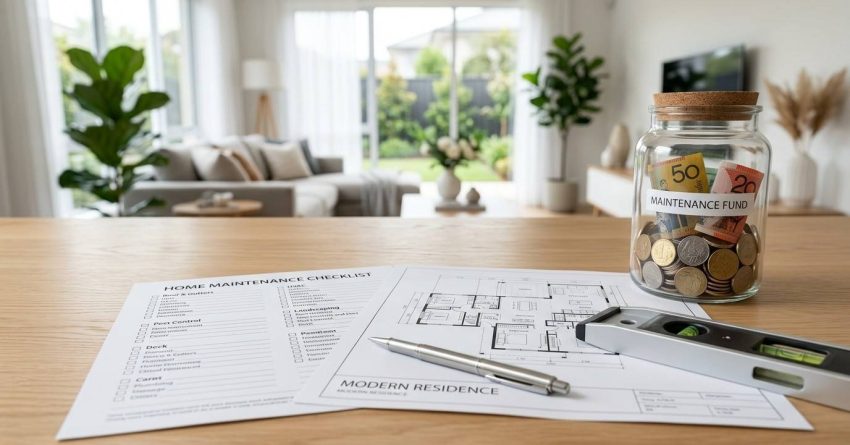
Emergency repairs are the most financially disruptive category of home maintenance costs because they arrive without warning and often require immediate action. Having an emergency repair fund — typically $1,000 to $3,000 — is one of the most important financial safeguards a homeowner can maintain.
Water Damage Restoration Costs
When flooding or pipe failure strikes, fast professional response limits the total cost of damage — our water damage restoration explains the full remediation process, average restoration costs, and what insurance typically covers.
| Service | Typical Cost Range |
| Water extraction and drying | $1,000–$3,500 |
| Mold remediation (small area) | $500–$2,000 |
| Mold remediation (large area) | $2,000–$6,000 |
| Structural drying and repair | $2,500–$8,000 |
| Full flood restoration | $5,000–$25,000+ |
According to the Insurance Information Institute, water damage and freezing account for nearly 24% of all homeowner insurance claims, making it the second most common claim type after wind and hail damage.
Locksmith and Emergency Access Costs
Lockouts, broken locks, and security breaches require immediate professional response — our emergency locksmith costs covers standard service call fees, lock replacement pricing, and what to expect from a licensed locksmith visit.
| Service | Typical Cost Range |
| Emergency lockout service | $75–$200 |
| Lock rekeying (per lock) | $40–$100 |
| Deadbolt replacement | $100–$300 |
| Smart lock installation | $150–$400 |
| Full home rekey | $200–$600 |
How to Budget for Home Maintenance Costs
Effective home maintenance budgeting requires a combination of predictive planning and emergency preparedness. The most reliable approach uses a percentage-based framework as a starting point, then adjusts based on your property’s specific characteristics.
The 1% Rule and Other Budgeting Frameworks
The most widely used budgeting rule is the 1% rule: set aside 1% of your home’s purchase price each year for maintenance. For a $400,000 home, that means $4,000 annually. Some financial planners recommend the square footage rule instead — budgeting $1 per square foot per year — which produces similar results for average-priced homes but scales more accurately for high-value properties in lower-cost markets.
Custom carpentry repairs — from structural framing to finish trim work — are often overlooked in annual maintenance budgets despite being a recurring need for most properties — our carpentry repair costs guide helps homeowners plan for these expenses accurately.
A more precise approach divides your annual budget into three categories:
- Routine maintenance (40–50%): HVAC servicing, plumbing inspections, gutter cleaning, pest prevention
- Repair reserve (30–40%): Funds held for unexpected repairs to roofing, appliances, plumbing, and electrical systems
- Improvement fund (10–20%): Allocated for planned upgrades that add value or improve efficiency
When to DIY vs. Hire a Professional
Exterior cleaning is one of the most affordable preventive maintenance tasks available — our pressure washing services covers pricing for driveways, siding, decks, and fences, helping homeowners budget for annual exterior upkeep.
DIY maintenance is appropriate for low-risk, low-skill tasks such as replacing air filters, cleaning gutters from a single-story home, painting interior walls, and basic landscaping. Professional services are required for any task involving electrical systems, gas lines, structural components, roofing, or work that requires a permit. Attempting to DIY these tasks without proper licensing creates safety risks, voids warranties, and can result in failed inspections that complicate future property sales.
The cost of hiring a professional is almost always lower than the cost of correcting a DIY mistake on a complex system.
How to Choose a Reliable Home Service Provider
Choosing the right home service provider is as important as understanding what services cost. A reliable provider delivers quality workmanship, transparent pricing, and consistent results — reducing the likelihood of repeat repairs and protecting your property’s long-term value.
Overgrown or damaged trees pose serious safety and liability risks — our tree removal and trimming explains service types, cost factors, and how to identify when a tree requires emergency attention versus routine maintenance.
When evaluating any home service provider, look for the following:
- Licensing and insurance: Verify that the provider holds the appropriate state license for the service category and carries both general liability and workers’ compensation insurance.
- Transparent pricing: Reputable providers offer written estimates before work begins and explain what is included in the quoted price.
- Verifiable reviews: Look for providers with consistent positive reviews across multiple platforms, with specific mentions of quality, punctuality, and communication.
- Service guarantees: Established providers stand behind their work with clear warranty or satisfaction guarantee terms.
- Range of services: An all-in-one provider who handles multiple service categories reduces coordination time and ensures consistent quality standards across your property.
Regular professional cleaning extends the life of surfaces, flooring, and fixtures throughout a property — our professional cleaning services outlines service types, frequency recommendations, and pricing for residential and commercial properties.
Tiny homes and accessory dwelling units have unique maintenance profiles that differ from standard residential properties — our tiny home maintenance costs covers the specific service needs and cost considerations for compact property owners.
Mr. Local Services connects homeowners, landlords, and property managers with skilled professionals across all major home service categories — combining quality workmanship, transparent pricing, and dependable service to keep properties safe, functional, and well-maintained year-round. Whether you need routine upkeep, urgent repairs, or a full property improvement project, our team is ready to help.
Conclusion
Home maintenance costs are a predictable and manageable part of property ownership when you have the right framework in place. From routine HVAC servicing and seasonal upkeep to emergency repairs and long-term improvements, understanding what each service category costs puts you in control of your property’s health and your financial planning.
The most important step is to start budgeting proactively — using the 1% rule or square footage method as a baseline, then adjusting for your home’s age, size, and condition. A well-funded maintenance reserve prevents small problems from becoming expensive emergencies.
Contact Mr. Local Services today to connect with trusted professionals across every home service category — and keep your property safe, functional, and well-maintained all year long.
Frequently Asked Questions
How much should I budget for home maintenance each year?
Most financial experts recommend budgeting 1% to 2% of your home’s purchase price annually. For a $350,000 home, that means setting aside $3,500 to $7,000 per year for routine maintenance, repairs, and unexpected service needs.
What home maintenance tasks should be done every year?
Annual maintenance priorities include HVAC tune-ups, gutter cleaning, roof inspection, plumbing checks, pest inspection, dryer vent cleaning, and exterior caulking. These routine services prevent system failures and extend the lifespan of your home’s major components.
What is the most expensive home repair?
Full roof replacement, foundation repair, and HVAC system replacement are consistently among the most expensive home repairs. Roof replacements typically range from $5,500 to $25,000 depending on material, while foundation repairs can exceed $30,000 for severe structural issues.
How do home maintenance costs differ for older homes?
Homes over 25 years old typically cost 50% to 100% more to maintain annually than newer construction. Aging electrical panels, outdated plumbing, worn roofing materials, and deteriorating insulation all contribute to higher service frequency and repair costs.
Is home maintenance covered by homeowners insurance?
Standard homeowners insurance does not cover routine maintenance or gradual wear and tear. It covers sudden, accidental damage from events like storms, fires, and burst pipes. Maintenance costs are the homeowner’s responsibility and should be funded through a dedicated annual budget.
When should I hire a professional instead of doing repairs myself?
Hire a licensed professional for any work involving electrical systems, gas lines, structural components, roofing, plumbing beyond basic fixture replacement, or any project requiring a permit. DIY attempts on these systems create safety risks and can void warranties or complicate future property sales.
How can I reduce home maintenance costs without cutting corners?
The most effective way to reduce costs is consistent preventive maintenance. Addressing small issues before they escalate, scheduling annual inspections for major systems, and working with a reliable all-in-one provider who offers bundled service pricing all reduce total annual spending without compromising property quality.