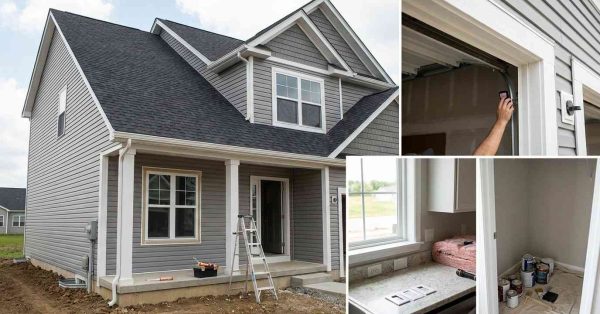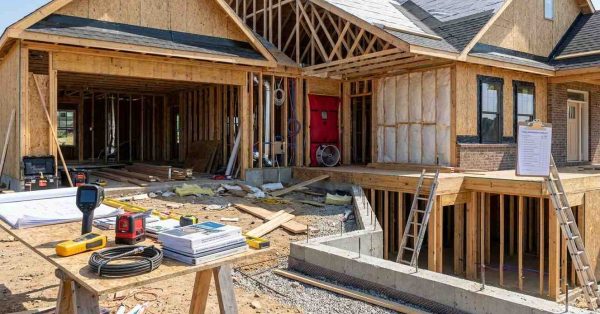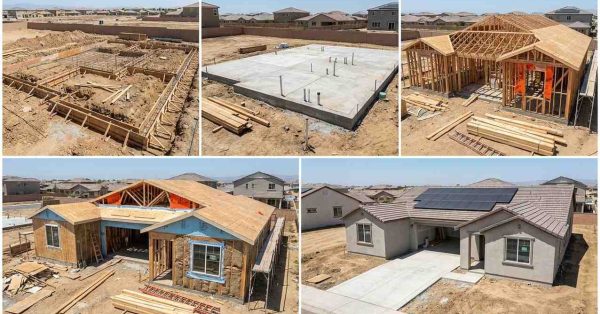
Securing a permit for a container home is one of the most complex steps in the entire build process. Unlike traditional construction, container homes sit in a regulatory gray zone — local authorities often lack clear guidelines, zoning boards apply inconsistent standards, and building inspectors may have never reviewed a shipping container structure before. Understanding exactly where the friction points are gives you a significant advantage before you ever file an application.
Permitting delays are the leading reason container home projects stall, and most of those delays are preventable with the right preparation upfront.
This guide covers the key permitting obstacles container home owners face, how zoning and building codes apply, and the practical steps that move your application forward.
What Makes Container Home Permits Different From Standard Builds
Traditional home construction follows a well-established permitting path. Inspectors know what to look for, code requirements are clearly mapped, and the process — while still time-consuming — is predictable. Container homes break that pattern at nearly every stage.
The core issue is classification. Local authorities must decide whether a container home is a modular structure, a manufactured home, a site-built dwelling, or something else entirely. That classification determines which building code applies, which inspections are required, and which zoning designations allow the structure. Different jurisdictions reach different conclusions, which means permitting outcomes vary dramatically from one county to the next.
Understanding container home permitting starts with the broader context of tiny home construction — our complete guide covers the planning, building, and regulatory landscape that applies to all compact dwelling types, including container structures.
How Zoning Laws Affect Container Home Placement
Zoning is typically the first barrier. Most residential zones are written around conventional stick-frame or masonry construction. Container homes may not fit neatly into any defined category, which gives zoning boards discretion to approve or deny placement based on interpretation rather than clear rules.
Rural and agricultural zones tend to be more permissive. Urban and suburban residential zones are often the most restrictive. Some jurisdictions have introduced specific container home ordinances, but these remain the exception rather than the rule across most of the USA.
If your target location does not have explicit container home zoning language, expect to request a variance or conditional use permit — both of which add time, cost, and uncertainty to your timeline. A dedicated resource on container home zoning laws by state can help you identify the specific rules that apply to your location before you commit to a site.
Why Building Codes Treat Container Structures Differently
Shipping containers are engineered for stacking and transport loads, not for residential occupancy. When a container is converted into a living space, it must meet the same habitability standards as any other dwelling — insulation, ventilation, ceiling height, egress windows, and structural integrity under local wind and snow loads.
The challenge is that standard residential building codes were not written with steel intermodal containers in mind. Inspectors must interpret how existing code requirements apply to a non-standard structure, and that interpretation is not always consistent. Some jurisdictions require a licensed structural engineer to certify the container before a permit is issued. Others require modifications to the container itself — such as cutting openings for doors and windows — to be reviewed and stamped by an engineer before any work begins.
The Most Common Permitting Obstacles Container Home Owners Face
Most container home permit applications run into one or more of the same recurring problems. Knowing these in advance lets you address them proactively rather than discovering them mid-review.
The most frequent obstacles include: unclear zoning classification, missing structural engineering documentation, non-compliant foundation plans, utility connection approvals that require separate permits, and inspectors who are unfamiliar with container construction and apply overly conservative interpretations of the code.
Each of these can add weeks or months to your timeline if they surface during review rather than before submission.
Foundation and Structural Engineering Requirements
Foundation requirements for container homes are a primary permit trigger in most jurisdictions. Because containers are not designed to bear loads from below — they are designed to bear loads from the corners — the foundation must be engineered to match the container’s actual load transfer points.
A standard residential slab or crawl space foundation may not satisfy this requirement without modification. Many jurisdictions require a site-specific foundation plan stamped by a licensed structural engineer before the permit application is accepted. A detailed breakdown of container home foundation requirements covers the most common foundation types and what each requires for permit approval.
Utility Connection Approvals and Inspections
Connecting a container home to water, sewer, electrical, and gas systems typically requires separate permits from the main building permit. Each utility connection is reviewed by a different authority — the building department, the utility provider, and sometimes the health department for septic systems.
The sequencing matters. In many jurisdictions, utility permits must be approved before the building permit is finalized. Submitting your building permit application without confirmed utility connection approvals can result in a conditional approval that cannot be converted to a final permit until all utility reviews are complete. A full walkthrough of connecting utilities to a container home outlines each approval step and the typical timeline for each connection type.
How to Navigate the Container Home Permit Process Step by Step
The most effective approach to container home permitting is front-loading your research and documentation before you submit anything. Permit offices are more likely to approve applications that arrive complete, clearly organized, and supported by professional documentation.
Start with a pre-application meeting at your local building department. Many jurisdictions offer this as a free service, and it gives you direct access to the plan reviewer who will evaluate your application. Use this meeting to confirm which code applies, what documentation is required, and whether any variances or special approvals are needed before you submit.
Many of the same documentation requirements that apply to container builds also appear in standard home remodeling permits, making it useful to understand how the broader approval process works before you begin — particularly around site plans, structural drawings, and inspection sequencing.
Working With Local Authorities and Permit Offices
Permit offices respond better to applicants who demonstrate familiarity with the process and respect for the reviewer’s time. Submitting a complete, well-organized application with all required documentation upfront reduces back-and-forth and signals that the project is professionally managed.
If your jurisdiction has no prior experience with container home applications, consider providing a brief informational summary of container construction alongside your application. This is not required, but it gives the reviewer context that can reduce the number of clarification requests during review. Establish a single point of contact at the permit office and follow up consistently but not excessively — once per week is appropriate for most jurisdictions
How Property Condition Affects Your Permit Approval
If you are placing a container home on a property that already has existing structures, the condition of those structures can affect your permit outcome. Inspectors reviewing a new permit application have the authority to flag pre-existing code violations on the same property, which can delay or block approval of your new application until those violations are resolved.
Before submitting a permit application, addressing existing structural or cosmetic issues through professional property repair services can prevent inspectors from flagging pre-existing problems that delay approval. This is especially relevant for properties with older outbuildings, deteriorating fencing, or drainage issues that may be visible during a site inspection.
The condition of the land itself also matters. Grading, drainage, and soil stability assessments may be required depending on your jurisdiction and the size of your container structure. Addressing these proactively — rather than waiting for an inspector to raise them — keeps your application moving forward.
When to Call a Professional for Container Home Projects
Container home permitting is not a process that rewards improvisation. The combination of non-standard construction, inconsistent local regulations, and multi-agency approval requirements creates a level of complexity that is difficult to manage without professional support.
Architects and structural engineers with container home experience can prepare the documentation that permit offices require and anticipate the questions reviewers are likely to ask. Permit expeditors — professionals who specialize in navigating local approval processes — can be valuable in jurisdictions where container home applications are rare and the review process is unpredictable.
Working with tiny home specialists who understand local code requirements can significantly reduce the back-and-forth with permit offices and help you avoid costly revision cycles that add months to your project timeline.
Conclusion
Container home permitting challenges are real, but they are manageable with the right preparation. Zoning classification, structural engineering documentation, and utility connection approvals are the three areas where most applications encounter friction — and all three can be addressed before you submit.
Starting with a pre-application meeting, assembling complete documentation, and working with professionals who understand container construction puts your application in the strongest possible position from the outset.
Mr. Local Services connects homeowners and property managers with skilled professionals who handle the full range of property maintenance, repair, and improvement needs — including the preparation work that supports a smooth permit process.
Frequently Asked Questions
Do container homes require a building permit in the USA?
Yes, container homes require a building permit in virtually every jurisdiction in the USA. The specific permits required — building, electrical, plumbing, mechanical — depend on your location and the scope of the project.
How long does it take to get a container home permit approved?
Permit timelines vary widely by jurisdiction. Simple applications in permissive areas may be approved in four to six weeks. Complex applications in jurisdictions with no prior container home experience can take six months or longer, particularly if variances are required.
Can you place a container home on any residential property?
Not automatically. Zoning laws determine whether a container home is permitted on a given parcel. Many residential zones require a variance or conditional use permit before a container home can be placed, and some zones prohibit them entirely.
What documents are typically required for a container home permit application?
Most jurisdictions require a site plan, foundation plan, floor plan, structural engineering report, and utility connection details. Some also require a certificate of origin for the container itself and documentation of any modifications made before delivery.
Why do some container home permit applications get denied?
Common denial reasons include zoning non-compliance, incomplete structural documentation, failure to meet minimum habitability standards such as ceiling height or egress, and pre-existing code violations on the property that must be resolved before a new permit is issued.