New construction inspections typically cost between $300 and $1,000 or more depending on the number of inspection phases, the size of the home, and your location across the USA. Unlike a standard resale inspection, new construction inspections are often performed in multiple stages — each timed to catch defects before they are buried behind drywall or finished surfaces.
Understanding these costs upfront helps you budget accurately and avoid expensive surprises after closing. This guide explains what each inspection phase covers, what drives pricing, and how to choose the right inspector for your build.
What Is a New Construction Inspection?
A new construction inspection is an independent evaluation of a newly built home performed by a licensed third-party inspector — not the builder’s own quality control team. The inspector examines structural components, mechanical systems, electrical work, plumbing, and finishes to identify defects, code violations, or workmanship issues before the home is handed over to the buyer.
Because new construction moves through distinct building phases, inspections are typically scheduled at key milestones rather than as a single visit at the end. This phased approach gives buyers the best opportunity to catch problems while they are still accessible and correctable.
How It Differs from a Standard Home Inspection
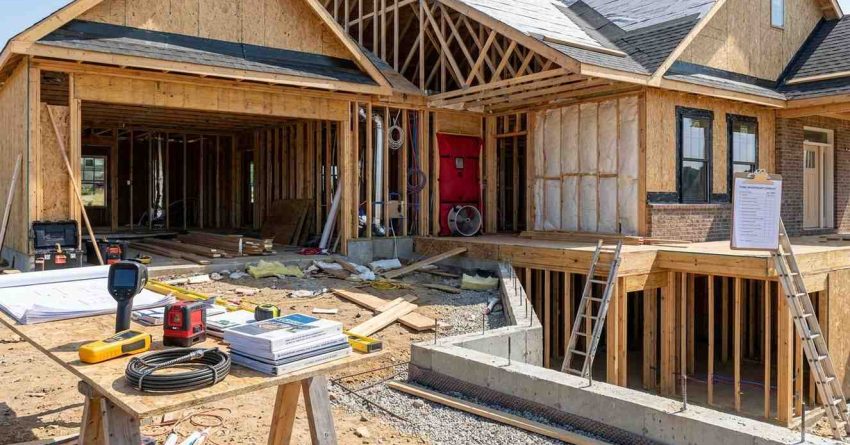
A standard home inspection evaluates an existing property in its finished state. A new construction inspection evaluates work in progress — which means inspectors can examine framing, insulation, rough-in plumbing, and electrical wiring before walls are closed. This access is not available in a resale inspection and is one of the primary reasons phased inspections deliver more value per dollar spent.
New construction inspections are one specialized branch of a broader category — our complete guide to home inspection services covers every inspection type available to homeowners and buyers at every stage of property ownership.
Why New Construction Inspections Are Worth the Cost
Many buyers assume that because a home is brand new, it does not need an independent inspection. Builder inspections and municipal code inspections do occur during construction, but they are not substitutes for a thorough third-party review. Municipal inspectors cover code compliance only — they do not evaluate workmanship quality, installation accuracy, or the dozens of details that affect long-term performance.
What Inspectors Catch That Builders Miss
Independent inspectors routinely identify issues that pass municipal code review, including improper insulation installation, missing fire blocking, HVAC duct leaks, plumbing drain slope errors, and electrical wiring deficiencies. These are not rare findings. According to the American Society of Home Inspectors, defects are found in the majority of new construction inspections — many of which would have been concealed once finishing work was complete.
Catching these issues before closing gives buyers documented leverage to require corrections at the builder’s expense. After closing, the same repairs become the buyer’s financial responsibility.
Average Cost of New Construction Inspections
The average cost of a new construction inspection ranges from $300 to $500 for a single-phase inspection on a standard-sized home. Full phased inspection packages — covering foundation, pre-drywall, and final walkthrough — typically range from $600 to $1,000 or more depending on home size and regional labor rates.
For a full breakdown of what drives inspection pricing across all property types, the inspection cost guide covers standard, specialty, and phased inspection pricing in one place.
Cost by Inspection Phase
| Inspection Phase | Typical Cost Range |
| Foundation / Pre-Pour Inspection | $200–$350 |
| Framing / Pre-Drywall Inspection | $250–$450 |
| Final Walkthrough Inspection | $300–$500 |
| Full Phased Package (all three) | $600–$1,000+ |
Prices vary by region. Urban markets and high cost-of-living areas typically sit at the upper end of these ranges.
Factors That Affect Inspection Pricing
Several variables influence what you will pay for a new construction inspection:
- Home size: Larger square footage requires more inspection time and increases cost.
- Number of phases: Each additional inspection phase adds to the total.
- Inspector credentials: Certified inspectors with specialized new construction training may charge a premium.
- Geographic location: Labor rates vary significantly across the USA.
- Specialty add-ons: Radon testing, thermal imaging, and sewer scope inspections are typically priced separately and can add $100–$300 each.
Types of New Construction Inspections and Their Costs
New construction inspections are most effective when scheduled at three key phases of the build. Each phase targets different systems and components while they are still exposed and accessible.
Pre-Drywall Inspection Cost
The pre-drywall inspection is performed after framing, rough-in plumbing, electrical, and HVAC work are complete — but before insulation and drywall are installed. This is widely considered the most valuable inspection phase because it provides direct visual access to structural framing, mechanical rough-ins, and insulation placement.
Pre-drywall inspections typically cost $250 to $450. The pre-drywall phase is one of the most critical windows in new construction — our dedicated on pre-drywall inspection explains exactly what inspectors examine before walls are closed and what it typically costs.
Foundation and Framing Inspection Cost
A foundation inspection is scheduled after the foundation is poured and cured but before framing begins. Inspectors check for proper depth, reinforcement placement, cracks, and drainage slope. Framing inspections evaluate structural integrity, load-bearing wall placement, and connection hardware.
Foundation and framing inspections typically cost $200 to $350 each, or are bundled into a phased package. These early-stage inspections are especially important in regions with expansive soils, high water tables, or seismic activity.
Final Walkthrough Inspection Cost
The final walkthrough inspection occurs when construction is complete and the home is ready for occupancy. Inspectors evaluate all finished systems — HVAC operation, plumbing fixtures, electrical panels, windows, doors, roofing, and exterior grading — along with cosmetic finishes and appliance installation.
Final walkthrough inspections typically cost $300 to $500. Even if earlier phases were inspected, a final inspection is essential because finishing work can introduce new defects and conceal issues that were not present at earlier stages.
New Construction Inspection vs. Builder Warranty Inspection
A builder warranty inspection is a separate service performed near the end of a builder’s warranty period — typically at the 11-month mark before a standard one-year warranty expires. Its purpose is to document defects that the builder is still obligated to repair under warranty terms.
A new construction inspection, by contrast, is performed during the build to catch defects before closing. These are complementary services, not interchangeable ones. Buyers who invest in phased inspections during construction and a warranty inspection before their coverage expires have the strongest protection at both ends of the ownership timeline.
Understanding how a builder warranty inspection differs from a third-party inspection helps buyers protect their investment — the builder warranty inspection explains coverage timelines, what builders are responsible for, and when to schedule your own inspector.
How to Hire a Qualified New Construction Inspector
Not all home inspectors have experience with new construction. When hiring, look for inspectors who hold credentials from recognized organizations such as the International Association of Certified Home Inspectors (InterNACHI) or the American Society of Home Inspectors (ASHI), and who specifically list new construction inspection as a service area.
Key questions to ask before hiring:
- How many new construction inspections have you completed in the past year?
- Are you familiar with the building codes in this municipality?
- Do you offer phased inspection packages, and what does each phase include?
- Will you provide a written report with photos within 24 hours?
Verify that your inspector carries errors and omissions (E&O) insurance and general liability coverage. This protects you if a defect is missed and causes financial harm after closing.
Before hiring any inspector, knowing what a thorough new construction inspection should cover gives you a clear benchmark — our inspection checklist walks through every phase and system a qualified inspector should evaluate.
Conclusion
New construction inspections are a targeted investment that protects buyers from defects that builders, code inspectors, and warranty coverage may not catch. Understanding the cost by phase, the factors that influence pricing, and the difference between inspection types gives buyers the clarity to make confident decisions.
Scheduling inspections at the right milestones — foundation, pre-drywall, and final walkthrough — maximizes the value of every dollar spent and preserves your ability to require corrections before closing.
At Mr. Local Services, we connect homeowners and buyers with qualified inspection professionals who understand new construction inside and out — reach out today to schedule your phased inspection and protect your investment from the ground up.
Frequently Asked Questions
Is a new construction inspection required by law?
No, new construction inspections by a third-party inspector are not legally required in most states. However, they are strongly recommended because municipal code inspections do not evaluate workmanship quality or installation accuracy.
Can I use my builder’s inspection instead of hiring my own?
Builder inspections serve the builder’s quality control process, not the buyer’s interests. An independent inspector works exclusively for you and has no financial relationship with the builder, which ensures an unbiased evaluation.
How long does a new construction inspection take?
A single-phase inspection on a standard home typically takes two to three hours. A pre-drywall inspection may take slightly less time since fewer systems are accessible, while a final walkthrough inspection on a larger home can take three to four hours.
What happens if the inspector finds problems?
Your inspector will document all findings in a written report with photographs. You can then submit the report to your builder and request corrections before closing. Most builders are contractually obligated to address legitimate defects identified before the closing date.
Should I attend the inspection in person?
Yes. Attending the inspection allows you to ask questions in real time, see issues firsthand, and better understand the scope of any defects. Most inspectors welcome buyer attendance and use it as an opportunity to explain findings directly.
How do I know if an inspector is qualified for new construction?
Look for inspectors certified by InterNACHI or ASHI who specifically list new construction inspection experience. Ask how many new construction inspections they have completed and whether they are familiar with local building codes in your area.
Is it worth paying for all three inspection phases?
For most buyers, yes. Phased inspections catch defects at the stage when they are easiest and least expensive to correct. Skipping early phases means potential structural or mechanical issues may be concealed by the time a final inspection occurs.