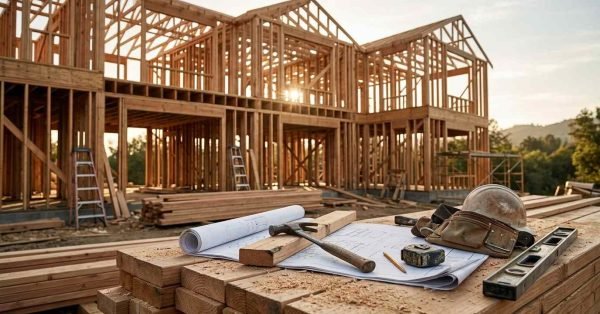
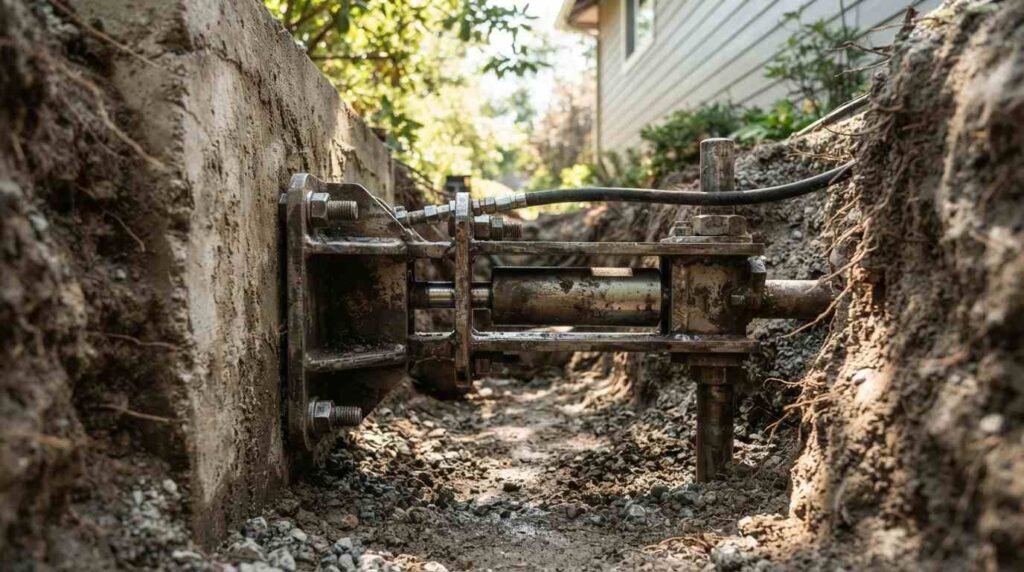
Structural repair is the process of restoring or reinforcing the load-bearing parts of a building, including the foundation, framing, beams, and support walls, so the structure stays safe, stable, and able to carry the weight it was built to hold. I treat it as one of the most important categories of home care because it protects the parts you never see but always depend on.
Ignoring structural problems puts safety, resale value, and insurance coverage at risk, and small issues almost always grow into expensive, dangerous repairs over time.
This guide walks through what structural repair means and why it matters, how to spot the warning signs and what causes them, the core systems involved from foundation to roof, the repair methods and process itself, who does the work and what it costs, and how to prevent future damage.
What Structural Repair Actually Means
Structural repair means fixing the parts of a home that carry weight and hold everything else in place. This covers the foundation, the framing, the beams, the joists, and any load-bearing wall that keeps the building standing.
I draw a hard line between structural and non-structural work. A cracked drywall seam is cosmetic. A cracked foundation footing is structural, because it affects how the whole house carries its load.
The word “load-bearing” is the key. Load-bearing elements transfer the weight of the roof, floors, and walls down into the ground. When one of those elements weakens, the load has to go somewhere else, and that redirection is what causes visible damage across the rest of the house.
So structural repair is not about appearance. It is about restoring the strength and stability of the framework your home was designed around.
Why Structural Integrity Matters for Your Home
Structural integrity matters because it directly controls whether your home is safe to live in, worth its market price, and covered by your insurance policy. Every other improvement sits on top of a sound structure.
Safety comes first. A compromised beam or footing can lead to partial collapse, and that risk grows quietly until something gives way.
Property value comes next. Buyers and appraisers flag structural issues fast, and an unresolved problem can drop a home’s value or kill a sale outright. Lenders often refuse to finance a house with active structural damage.
Insurance is the third piece. Many policies exclude damage that resulted from neglected maintenance, so catching structural problems early protects both your home and your coverage.
Common Signs Your Home Needs Structural Repair
The most common signs of structural damage are cracks in walls and floors, doors and windows that stick or won’t close, and floors that slope or feel uneven underfoot. These symptoms tell you the load path has shifted.
Cracks in walls and floors
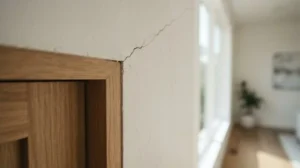
Cracks are the clearest early warning. Hairline cracks are often harmless, but wide, diagonal, or stair-step cracks in walls and floors signal movement in the foundation or framing. Cracks wider than a quarter inch deserve professional attention.
Doors and windows that stick
Sticking doors and windows happen when a frame shifts out of square. When the structure moves, openings that once closed cleanly start to bind, catch, or leave gaps at the corners.
Sloping or sagging floors
A sloping or sagging floor points to weakened joists, beams, or foundation settlement beneath it. I check for this by rolling a marble across the floor. If it consistently rolls to one side, the framing or foundation below has moved.
What Causes Structural Damage
Structural damage is caused mainly by foundation and soil movement, water intrusion, and the natural aging of building materials. Most serious problems trace back to one of these three roots.
Foundation and soil movement
Soil movement is the leading cause. Expansive clay soils swell when wet and shrink when dry, and that constant motion pushes and pulls on the foundation until cracks and settlement appear.
Water damage and moisture
Water is the silent destroyer of structure. Poor drainage, leaks, and trapped moisture rot wood framing, corrode fasteners, and erode the soil supporting a foundation. Uncontrolled water damage weakens materials long before you see a visible crack.
Age, wear, and poor construction
Time and workmanship account for the rest. Materials fatigue over decades, and homes built with undersized beams, shallow footings, or poor drainage carry hidden weaknesses that surface years later.
The Foundation: Core of Structural Repair
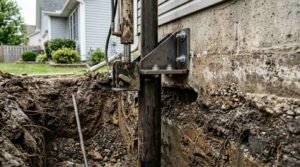
The foundation is the base structure that transfers a home’s entire weight into the ground, which makes foundation repair the most critical form of structural work. When the foundation moves, everything above it moves with it.
Foundations fail through settlement, heaving, and cracking, usually driven by the soil beneath them. Repair methods range from crack injection for minor issues to underpinning with piers or pilings that stabilize a sinking foundation by reaching deeper, stronger soil.
I always start a structural assessment at the foundation, because a problem here explains most of the symptoms that appear higher up in the house.
Framing and Load-Bearing Structural Repair
Framing repair restores the wooden or steel skeleton – the joists, beams, studs, and load-bearing walls that carry a home’s weight between the foundation and the roof. This is where a lot of everyday structural work happens.
Rotted joists, sagging beams, and damaged load-bearing walls all fall into this category. Skilled carpentry is central to framing repair, since sistering a joist, replacing a beam, or reinforcing a wall demands precise structural woodwork done to code.
Removing or altering a load-bearing wall without proper support is one of the most dangerous mistakes a homeowner can make, which is why framing changes should always follow an engineer’s plan.
How Water Damage Threatens Structure
Water threatens structure by rotting wood, corroding metal connectors, feeding mold, and washing away the soil that supports a foundation. It is the most common accelerator of structural failure I see.
The damage is progressive. A slow roof leak or a poorly draining yard introduces moisture that soaks into framing, and over months that framing loses the strength it needs to carry load. Addressing water damage early stops rot and mold before they compromise the structure itself.
Controlling water, through drainage, grading, and prompt leak repair, is one of the highest-value structural protections a homeowner can invest in.
The Roof’s Role in Structural Health
The roof protects structural health by shedding water and distributing its own weight down through the framing into the walls and foundation. A failing roof threatens far more than the ceiling below it.
Roof framing, rafters, trusses, and the ridge are a load-bearing system in its own right. Sagging rooflines, leaks, and damaged trusses signal structural trouble that spreads downward if ignored. Sound roofing keeps water out and keeps the load path intact from the peak to the ground.
I treat the roof as the top of the structural chain, connected to every load-bearing element beneath it.
Types of Structural Repair Methods
Structural repair methods vary by the system being fixed and the severity of the damage, from minor crack sealing to full foundation underpinning. The table below shows the main methods and when each applies.
| Repair Method | What It Addresses | Typical Scope |
| Crack injection | Minor foundation and wall cracks | Small, targeted |
| Underpinning/piers | Sinking or settling foundations | Major, deep |
| Slab jacking | Sunken concrete slabs | Moderate |
| Joist sistering | Weak or rotted floor joists | Moderate |
| Beam replacement | Failed load-bearing beams | Major |
| Wall reinforcement | Bowing or cracked support walls | Moderate to major |
| Waterproofing/drainage | Moisture-driven damage | Preventive to moderate |
Each method matches a specific failure. A qualified professional selects the right one after diagnosing the cause, not just the symptom.
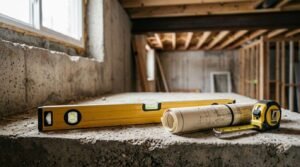
The Structural Repair Process, Step by Step
The structural repair process moves through inspection, engineering assessment, permitting, repair, and final verification. Following the sequence protects both safety and long-term results.
- Inspection identifies the visible symptoms and their location.
- A structural engineer diagnoses the underlying cause and designs the fix.
- Permits are pulled where local code requires them.
- Contractors carry out the repair to the engineer’s specifications.
- A final inspection confirms the structure is stable and code-compliant.
Skipping the engineering step is the most common and costly error. Without a proper diagnosis, crews often treat symptoms while the real cause keeps working.
Who Performs Structural Repairs
Structural repairs are performed by a team that usually includes a structural engineer for diagnosis and design and a licensed contractor for the physical work. The two roles are distinct and both matter.
A structural engineer is a licensed professional who analyzes loads, diagnoses causes, and produces a repair plan that meets code. The contractor then executes that plan, whether it involves foundation work, framing, or reinforcement.
For a homeowner, hiring both protects you. The engineer ensures the fix addresses the real problem, and the licensed contractor ensures it is built correctly and safely.
How Much Structural Repair Costs
Structural repair costs range widely, from a few hundred dollars for minor crack sealing to tens of thousands for major foundation underpinning, with most significant repairs falling between $4,000 and $12,000. Severity and cause drive the number.
A structural inspection itself typically costs between $400 and $700, and I consider it money well spent because it prevents guesswork. Foundation underpinning, extensive framing work, and drainage systems sit at the higher end, while sealing and minor reinforcement stay far lower.
The single biggest cost factor is time. Small problems caught early cost a fraction of what the same problem costs after years of spreading.
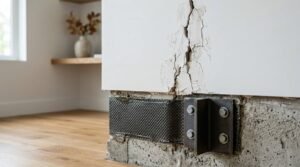
Structural Repair vs. Cosmetic Repair
Structural repair restores load-bearing strength, while cosmetic repair only fixes appearance without addressing the underlying cause. Confusing the two is an expensive mistake.
Patching a wall crack with filler is cosmetic. If that crack came from foundation movement, the patch hides the symptom while the structural problem keeps advancing. Cosmetic work has its place, but only after the structural cause has been resolved.
I always diagnose the cause before deciding whether a repair is cosmetic or structural. The visible fix is meaningless if the load path is still failing underneath it.
Preventing Future Structural Problems
Preventing structural problems comes down to controlling water, maintaining drainage, and scheduling regular inspections before small issues grow. Prevention costs a fraction of repair.
Good grading and gutters keep water away from the foundation, the single most effective protection. Routine inspections catch settlement, rot, and framing weakness while they are still cheap to fix. Consistent home maintenance – sealing cracks, clearing drainage, checking for leaks – keeps the structure sound for decades.
I tell every homeowner the same thing: structure rewards attention and punishes neglect. Small, steady care beats emergency repair every time.
Conclusion
Structural repair protects the foundation, framing, beams, and load-bearing walls that keep your home safe, stable, and valuable for the long term.
This guide connects to a wider network of home care topics, from foundations and framing to water control and prevention, each worth exploring in depth.
We at Mr. Local Services connect you with trusted structural professionals who diagnose the real cause and deliver lasting, code-compliant repairs. Reach out today.
Frequently Asked Questions
Is structural damage covered by homeowners insurance?
Structural damage is sometimes covered, depending on the cause. Sudden events like storms are often covered, while damage from neglect or gradual settlement is usually excluded. Check your specific policy.
How do I know if a crack is serious?
A crack is serious if it is wider than a quarter inch, diagonal, or stair-stepped. Hairline vertical cracks are usually harmless, but widening or spreading cracks need a professional inspection.
Can I stay in my home during structural repair?
You can usually stay during minor structural repairs. Major foundation or framing work may require temporary relocation for safety, depending on the scope your engineer defines.
How long does structural repair take?
Structural repair takes anywhere from a day for minor crack sealing to several weeks for major foundation underpinning. The Timeline depends on the severity, method, and permitting requirements.
Do I need a structural engineer or just a contractor?
You typically need both. A structural engineer diagnoses the cause and designs the fix, while a licensed contractor performs the actual repair to those specifications.
What happens if I ignore structural problems?
Ignoring structural problems lets them spread, raising both cost and danger. Small cracks can become foundation failure, and unresolved damage lowers property value and voids some insurance coverage.
Is foundation repair the same as structural repair?
Foundation repair is one type of structural repair. Structural repair is the broader category covering the foundation, framing, beams, and load-bearing walls together as a connected system.