
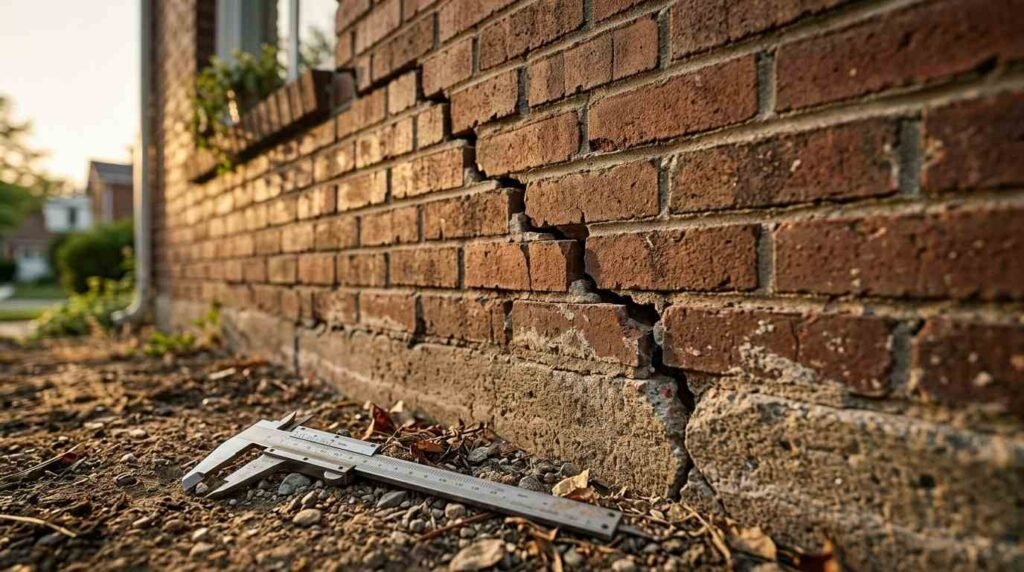
Structural damage is any harm to the parts of a building that carry load, transfer weight, or hold the structure together, including foundations, framing, roof systems, and floors. I see it every week in homes, rentals, and commercial properties. It threatens safety, insurability, and resale value.
Homeowners lose the most money when they treat structural warning signs as cosmetic ones. Small cracks turn into failed walls. Slow leaks turn into rotted framing and five-figure repairs.
In this guide, I cover foundation, water, roof, wall, floor, exterior, pest, and weather damage, plus inspection, repair options, prevention, and hiring the right professional.
What Structural Damage Means in a Home or Building
Structural damage affects the elements that keep a building standing. That includes footings, foundation walls, columns, beams, joists, studs, rafters, trusses, and load-bearing masonry. Damage to any of these changes how weight moves through the building.
I use one simple test with property owners. I ask whether the damaged element carries weight or just covers something that does.
Structural vs. Cosmetic Damage
Cosmetic damage affects appearance only. Paint peeling, a hairline drywall crack, or a scuffed baseboard sits in this group. Structural damage affects strength, stability, or the path that load travels.
The tricky part is overlap. A drywall crack looks cosmetic, and sometimes it maps a real movement problem underneath. That is why I read the pattern, the width, and the location before calling anything harmless.
Load-Bearing Elements That Carry a Building
Every building has a load path. Roof loads move into rafters and trusses, then into bearing walls, then into beams and columns, then into the foundation, then into soil.
Break one link, and the rest of the chain compensates. That compensation shows up as sagging, cracking, sloping, and separation. I trace symptoms backward along that path to find the real cause.
Why Early Detection Protects Property Value
Early repairs cost a fraction of late ones. FEMA’s guidance on flood-damaged buildings shows how quickly moisture-related deterioration escalates once framing stays wet. The same principle applies to soil movement and pest activity.
Buyers and lenders care too. Structural findings on an inspection report kill deals or force price reductions. I treat documentation and early professional home inspection services as part of asset protection, not an expense.

The Main Categories of Structural Damage
I sort structural damage into four working categories. This keeps diagnosis organized and points each symptom toward the right trade.
Foundation and Substructure Damage
This category covers footings, foundation walls, slabs, piers, and crawl space supports. Soil movement drives most of it. Expansive clay, poor drainage, and plumbing leaks all change soil volume under a home.
Symptoms show up above ground long before anyone digs. Sticking doors, cracked brick, and sloping floors usually start here.
Framing and Load-Path Damage
Framing damage hits studs, joists, beams, girders, headers, rafters, and trusses. Causes include overload, rot, insect activity, and unpermitted alterations. I see the last one constantly, where someone removed a bearing wall for an open kitchen.
The repair depends on how much section loss the member suffered. Sistering, reinforcing, and full replacement all belong in this group. Larger jobs move into structural remodeling and framing work.
Envelope and Roof System Damage
The envelope keeps water and wind out. Roofing, sheathing, flashing, siding, windows, and doors all belong here. Envelope failure rarely stays cosmetic because it lets water reach framing.
Moisture-Driven and Biological Damage
Water, mold, rot, and insects belong together because they follow each other. Water arrives first, decay follows, and pests move into the softened wood. I treat any of the three as evidence to look for the other two.
| Category | Typical Warning Sign | Primary Trade |
| Foundation | Stair-step brick cracks, sloping floors | Foundation specialist |
| Framing | Sagging ceilings, bouncy floors | Carpenter or engineer |
| Envelope and roof | Stains, missing shingles, drafts | Roofer, window and door pro |
| Moisture and biological | Musty odor, soft wood, mud tubes | Water damage and pest pro |
Foundation Damage: Cracks, Settlement, and Movement
Foundation problems produce the most common structural complaints I hear. The foundation carries everything, so its movement telegraphs through the whole building.
Not every crack means trouble. Concrete shrinks and cracks as it cures. I judge severity by width, direction, offset, and whether the crack keeps growing.
Vertical, Horizontal, and Stair-Step Cracks
Vertical cracks under about an eighth of an inch usually reflect curing shrinkage. Stair-step cracks in block or brick follow mortar joints and signal differential movement. Horizontal cracks in a basement wall concern me most because they point to lateral soil pressure.
Differential Settlement and Heave
Settlement happens when soil compresses, and part of the foundation drops. Heave happens when soil swells and pushes part of it up. Both create the same visible result, which is a building that no longer sits on one plane.
Bowing and Shifting Basement Walls
Bowing walls bend inward under soil and water pressure. I measure deflection with a straightedge and monitor it over months. Repairs range from carbon fiber straps to steel beams to full wall rebuilds, and severe cases need foundation repair and stabilization services with engineering oversight.
Water Damage and Moisture Intrusion
Water causes more structural loss than any single storm event. It works slowly, hides inside assemblies, and weakens wood before anyone notices a stain. Insurance data from the Insurance Information Institute shows water and freezing claims rank among the most frequent homeowner losses.
I always find the source before repairing the damage. Patching a stained ceiling without fixing the leak wastes money twice.
Wood Rot and Decay in Framing
Wood decay fungi need moisture above roughly twenty percent content. Sustained wetting from a leak, poor ventilation, or ground contact triggers it. Rotted framing loses compressive and bending strength, so a rotted sill plate or rim joist becomes a real load-path problem.
Mold Growth as a Structural Warning Sign
Mold itself rarely carries load. It tells me the conditions that destroy wood already exist. Musty odors in a crawl space or attic send me looking for the wet framing above or below.
Slow Leaks vs. Sudden Flooding Damage
Sudden flooding saturates everything fast and demands immediate drying, and that work belongs with water damage restoration specialists who use meters and commercial dehumidification. Slow leaks concentrate damage in one spot over years. The slow ones cause deeper structural loss because nobody dries them.
Roof and Attic Structural Damage
The roof structure takes wind, snow, and thermal stress every day. Its framing also hides above insulation where nobody looks.
I inspect attics with a flashlight and a moisture meter. Daylight through sheathing, rusted fasteners, and dark staining all tell a story.
Sagging Ridges, Rafters, and Trusses
A sagging ridge line means the framing lost support or picked up a load it never carried. Undersized rafters, removed collar ties, and altered trusses all cause it. Truss modification is the one I flag hardest because cutting a truss web destroys its engineered geometry.
Sheathing Deterioration and Deck Failure
Sheathing rots from underneath when attic humidity condenses on it. Soft, delaminated decking will not hold nails, so new shingles fail early. Any reroof over bad decking wastes the material, which is why full roof replacement and repair services start with a deck evaluation.
Storm, Hail, and Wind Uplift Damage
Wind lifts roof edges and peels coverings away from the deck. Hail bruises shingles and cracks tile. The structural concern comes after, once water enters the opening and reaches rafters and ceiling joists.
Wall, Ceiling, and Drywall Damage That Signals Structure
Interior finishes act as a strain gauge for the frame behind them. Drywall cracks where the structure moves, because gypsum has almost no tolerance for movement.
I read crack patterns like a map. Direction and location tell me more than width alone.
Diagonal Cracks at Doors and Windows
Diagonal cracks running from a door or window corner indicate racking or differential movement. Openings create weak points in a wall plane, so stress concentrates there. Repeated cracking after repair means the movement continues.
Ceiling Separation and Nail Pops
Ceiling and wall separation at the joint often reflects truss uplift during seasonal humidity swings. Nail pops show framing shrinkage or movement. Neither one alone panics me, and both together across many rooms earn a closer look.
Bulging or Out-of-Plumb Walls
A wall out of plumb has moved. I check with a level and look for related signs at the floor and ceiling. Cosmetic patching hides the symptom, so lasting fixes pair framing correction with drywall and ceiling repair services.

Floor and Subfloor Damage
Floors reveal foundation and framing conditions faster than walls do. People feel a bad floor before they see it.
I use a marble, a level, and my own weight. Movement, sound, and slope give me three data points.
Sloping, Sagging, and Bouncy Floors
Slope points to settlement or support loss below. Bounce points to undersized or overspanned joists. Sag in the middle of a room usually traces to a failing beam or a missing pier.
Joist, Beam, and Girder Weakness
Joists fail from rot, notching, drilling, and overload. Beams and girders fail at bearing points where moisture collects. Repairs include sistering, adding posts, and replacing the member entirely, and a damaged subfloor usually needs floor repair and installation services after the structure gets corrected.
Crawl Space Support Failures
Crawl spaces hide the most common floor problems I find. Rotted posts, sinking pier blocks, and standing water all appear there. Encapsulation and drainage fix the conditions that caused the failure.
Exterior Structure Damage: Decks, Porches, and Framing
Attached exterior structures fail more often than people expect. They sit outside, take weather constantly, and rely on a handful of connections. The Consumer Product Safety Commission tracks thousands of injuries each year tied to porch, deck, and railing incidents.
I check connections first. Fasteners and hardware fail before lumber does.
Ledger Board and Fastener Failure
The ledger board attaches a deck to the house. Nails instead of through-bolts, missing flashing, and corroded hardware cause collapse. Water behind the ledger rots both the deck framing and the house rim joist.
Post, Footing, and Railing Deterioration
Posts rot at grade where wood meets soil and moisture. Footings shift when they sit above frost depth. Loose railings signal fastener pullout and become a fall hazard, and rebuilds go through deck building and repair services.
Balcony and Stair Structural Risk
Balconies and stairs concentrate live load in small areas. Stringers, treads, and cantilevered joists all deserve inspection. I look for movement under load and for staining at connections.
Pest and Organism-Driven Structural Damage
Insects and animals remove wood sections quietly. Termites alone cause billions in property damage across the country each year, according to the University of Kentucky Entomology Department.
I look for the evidence, not the insect. Frass, mud tubes, exit holes, and hollow-sounding wood all point to activity.
Termites and Wood-Destroying Insects
Subterranean termites travel through soil and enter at foundation contact points. They eat spring wood and leave a layered honeycomb pattern. Damage concentrates in sill plates, rim joists, and studs near grade.
Carpenter Ants, Beetles, and Rodents
Carpenter ants excavate galleries in wet wood rather than eating it. Powderpost beetles leave pinholes and fine dust. Rodents chew framing, insulation, and wiring, so treatment pairs with pest control and extermination services and repair of the moisture source that invited them.
Tree Roots and Vegetation Pressure
Roots draw moisture from soil and change its volume near foundations. Large limbs load roofs and gutters. Preventive tree trimming and removal services reduce both risks before storms arrive.
Weather, Disaster, and Sudden-Event Damage
Sudden events cause the damage people notice immediately. NOAA’s billion-dollar disaster records document how frequently severe weather now hits U.S. property.
I document everything before cleanup begins. Photos taken early protect the claim later.
Wind, Hurricane, and Tornado Loads
High wind creates uplift on roofs and lateral pressure on walls. Failures start at connections between roof, wall, and foundation. Hurricane straps and properly nailed sheathing decide whether a house holds.
Flood, Freeze, and Thaw Cycles
Floodwater saturates framing and undermines footings. Freeze and thaw cycles crack concrete and masonry as trapped water expands. Burst pipes add sudden interior flooding, and that damage runs through walls and ceilings fast.
Fire, Smoke, and Heat-Weakened Framing
Fire chars wood and reduces its cross section. Heat weakens steel connectors and fasteners even where flames never touched. Charred framing needs evaluation for remaining capacity, not just cosmetic replacement.
How Structural Damage Is Inspected and Assessed
Assessment separates real structural problems from cosmetic noise. This is where most property owners get stuck, because the symptoms overlap.
I follow a sequence. Observe, measure, document, monitor, then decide.
Visual Inspection vs. Engineering Evaluation
A general inspection identifies symptoms and flags concerns. A licensed structural engineer calculates capacity, determines cause, and specifies repairs. Lenders, insurers, and permit offices often require the engineer’s letter.
Severity Levels: Monitor, Repair, Urgent
I sort every finding into three buckets. Monitor covers stable, minor conditions tracked with crack gauges and photos. Repair covers active but contained damage. Urgent covers anything with visible deflection, cracked bearing points, or occupancy risk.
Documentation for Insurance and Disclosure
Insurers want dated photos, moisture readings, repair invoices, and a cause determination. Sellers in most states carry disclosure obligations for known structural defects. Good records turn a disputed claim into an approved one.
| Severity | Typical Signs | Action Window |
| Monitor | Hairline cracks, minor nail pops | Track 6 to 12 months |
| Repair | Widening cracks, soft wood, slope under 1 inch per 10 feet | 30 to 90 days |
| Urgent | Bowing walls, sagging framing, water on structure | Immediate |
Which structural damage needs a professional now?
Bowing walls, sagging roof framing, cracked bearing points, and any active water on structural members need a professional immediately. Everything else gets measured and monitored on a schedule.
Repair Approaches by Damage Type
Repairs fall into three strategies. The right one depends on cause, extent, and remaining capacity.
Stabilize, Repair, or Replace
Stabilization stops movement first, using piers, straps, shoring, or drainage correction. Repair restores a damaged member with sistering, reinforcement, or partial replacement. Replacement applies when section loss passes the point of reinforcement.
Typical Cost and Timeline Ranges
Minor crack sealing and monitoring stay in the low hundreds. Framing repairs, joist sistering, and deck rebuilds typically land in the low thousands. Underpinning, wall rebuilds, and major moisture remediation run well into five figures and take weeks, and coordinated general handyman and repair services handle the smaller items that follow the structural work.
Preventing Structural Damage Year-Round
Prevention costs less than every repair in this guide. Almost all of it comes down to controlling water and load.
Drainage, Grading, and Gutter Control
Soil should slope away from the foundation. Downspouts need extensions that discharge well past the backfill zone. Clogged gutters dump water at the exact spot that causes settlement, and regular gutter and exterior cleaning services prevent that.
Seasonal Maintenance Checkpoints
I check the roof and attic in spring and fall. I check crawl spaces and grading after heavy rain. I check decks, railings, and exterior wood every spring before the outdoor season, and I schedule exterior pressure washing to remove the organic buildup that holds moisture against surfaces.

Choosing the Right Professional for Structural Work
The wrong trade produces a cosmetic fix on a structural problem. Matching the professional to the damage type saves money and rework.
Contractor, Engineer, or Specialty Trade
An engineer diagnoses and specifies. A general contractor coordinates and builds. Specialty trades handle foundations, roofing, water damage, and pest work within their scope.
Questions to Ask Before Hiring
I ask about license, insurance, structural experience, and whether an engineer reviewed the plan. I ask for a written scope with cause, method, and warranty. I ask how they will verify the repair worked after completion.
Conclusion
Structural damage runs through foundations, framing, roofs, walls, floors, exteriors, pests, and weather events, and every type shows early warning signs worth reading correctly.
Each category in this guide connects to deeper resources on inspection, repair, prevention, and the specific trades that handle that work.
We help property owners diagnose and fix structural damage the right way. Contact Mr. Local Services and get the correct professional on site.
Frequently Asked Questions
What is the most common type of structural damage in homes?
Foundation movement leads the list. Soil expansion, poor drainage, and settlement produce cracks, sloping floors, and sticking doors in homes across most U.S. climates.
How do I know if a crack is structural or cosmetic?
Width, direction, and growth decide it. Horizontal cracks, stair-step patterns, offsets, and cracks that keep widening point to structural movement rather than surface shrinkage.
Does homeowners insurance cover structural damage?
Coverage depends on cause. Sudden events like storms, fire, and burst pipes usually qualify. Gradual settlement, wear, and long-term leaks typically fall outside standard policies.
How much does structural damage repair cost?
Costs range widely. Minor crack repairs stay in the hundreds, framing work lands in the thousands, and underpinning or wall rebuilds reach five figures.
Can I live in a house with structural damage?
Many conditions stay safe while monitored. Bowing walls, sagging framing, and active water on the structure require immediate evaluation before continued occupancy.
Who inspects structural damage in a house?
A licensed structural engineer provides the authoritative assessment. Home inspectors and specialty contractors identify symptoms and refer the case for engineering review.
How fast does water damage become structural damage?
Wood decay begins within days of sustained wetting. Framing loses meaningful strength within weeks, so drying and source repair matter immediately after any intrusion.