Water intrusion warranty claims give homeowners, landlords, and property managers a formal path to recover repair costs when water enters a structure through a covered defect. Knowing how these claims work, what triggers them, and what can void them is the difference between a successful resolution and an out-of-pocket repair bill.
Water damage is one of the most expensive and disruptive problems a property can face, and warranty coverage is often misunderstood until it is too late.
This guide explains what water intrusion warranty claims cover, the most common causes, how to file correctly, and what steps protect your coverage long term.
What Water Intrusion Warranty Claims Cover
A water intrusion warranty claim is a formal request for repair or compensation when water enters a structure through a defect covered under a builder’s warranty, contractor warranty, or home warranty plan. These claims apply when the intrusion results from a construction defect, material failure, or workmanship issue rather than a sudden event like a burst pipe or natural flood.
Coverage scope varies by warranty type and provider, but most water intrusion warranties address defects in the building envelope — the exterior shell of the structure that is designed to keep water out. This includes roofing systems, exterior walls, windows, doors, foundations, and flashing assemblies.
Understanding the difference between structural and surface water damage is essential before filing a claim — our water damage services explains the full scope of damage types we assess and repair for homeowners and property managers.
Structural vs. Surface Water Damage
Structural water damage penetrates load-bearing components such as framing, sheathing, subflooring, and foundation walls. This type of damage is typically covered under builder warranties and long-term workmanship guarantees because it results from systemic failures in how the structure was built or sealed.
Surface water damage affects finishes such as drywall, paint, flooring, and trim. While surface damage is visible and often the first sign of a problem, it is frequently a symptom of a deeper structural issue. Warranty claims that address only surface damage without identifying the underlying intrusion source are often denied upon reinspection.
What Is Typically Included in Coverage
Most water intrusion warranties include coverage for roof system failures, foundation waterproofing defects, window and door frame leaks, and exterior wall assembly failures. Some plans extend to HVAC condensation drainage defects and plumbing penetration sealing failures.
Coverage periods vary significantly. Builder warranties in the USA commonly provide one year for workmanship defects, two years for mechanical systems, and ten years for structural defects under implied warranty law. Contractor warranties and home warranty plans carry their own terms, which must be reviewed carefully before filing.
Common Causes of Water Intrusion That Trigger Claims
Identifying the source of water intrusion is the first step in building a valid claim. Warranty providers require documentation of the defect location and its connection to a covered system or workmanship category. The most common causes fall into three areas.
Roof and Flashing Failures
Roof and flashing failures are among the most frequent triggers for water intrusion claims, and addressing them quickly limits further damage — our roofing repair services cover inspection, flashing replacement, and full roof restoration to stop water entry at the source.
Flashing is the metal or membrane material installed at roof transitions, valleys, chimneys, skylights, and wall intersections. When flashing is improperly installed, corrodes, or separates from the substrate, water channels directly into the roof assembly. Shingle failures, improper underlayment installation, and inadequate slope design are also common claim triggers.
Foundation and Basement See
Foundation see occurs when water migrates through cracks, construction joints, or improperly waterproofed walls below grade. This is one of the most serious forms of water intrusion because it affects structural integrity and creates conditions for mold growth.
Builder warranties typically cover foundation waterproofing defects for extended periods because of the structural risk involved. Homeowners should document patterns, water staining, efflorescence, and any visible cracking before filing. If your property has experienced foundation see, a dedicated foundation waterproofing services assessment can identify the defect source and support your claim documentation.
Window, Door, and Siding Gaps
Gaps around windows and door frames allow water to penetrate wall cavities over time, often voiding warranty coverage if left unaddressed — our window sealing services include inspection, resealing, and full frame replacement to restore a watertight barrier.
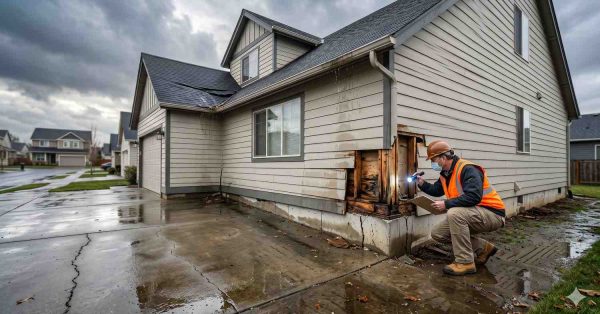
Improper installation of window and door units is a common workmanship defect covered under contractor warranties. Signs include water staining on interior sills, peeling paint around frames, and soft or discolored drywall near openings. Siding gaps and failed caulk joints at wall penetrations are also frequent contributors that fall within workmanship warranty scope.
How to File a Water Intrusion Warranty Claim
Filing a water intrusion warranty claim correctly from the start significantly improves the likelihood of approval. Incomplete documentation, missed deadlines, and failure to follow the warranty’s notice requirements are the most common reasons valid claims are denied.
Step 1 — Document the Damage
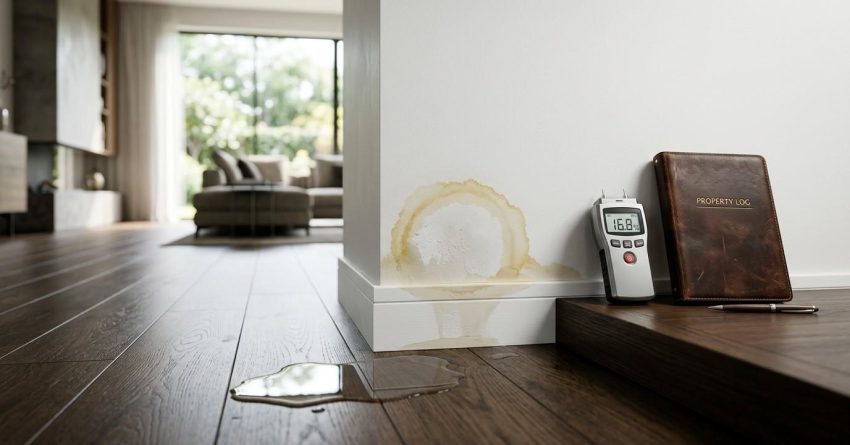
Photograph and video every visible sign of water intrusion before any cleanup or temporary repairs. Capture the intrusion point, the path water has traveled, and all affected materials. Note the date of discovery and any weather conditions that may have contributed.
Written documentation should include a description of when the problem was first noticed, any prior repairs made to the area, and the current condition of affected materials. This record becomes the foundation of your claim file.
Step 2 — Review Your Warranty Terms
Locate your warranty documents and identify the coverage category that applies to your intrusion type. Confirm the warranty is still within its coverage period and review the notice requirements — most warranties require written notice within a specific timeframe after discovery.
Pay close attention to exclusion clauses. Many warranties exclude damage caused by homeowner modifications, failure to maintain the property, or acts of nature. Understanding these exclusions before filing prevents surprises during the review process.
Step 3 — Contact Your Contractor or Provider
Once you have documented the damage and reviewed your warranty terms, contacting a qualified professional is the critical next step — our water damage repair team responds quickly to assess intrusion sources, provide written estimates, and support your claim documentation.
Submit your written notice to the warranty provider or original contractor as required by your warranty terms. Include your documentation package, a clear description of the defect, and a request for inspection. Keep copies of all correspondence and confirm receipt in writing.
What Voids a Water Intrusion Warranty Claim
Understanding what invalidates a claim is just as important as knowing what is covered. Warranty providers investigate claims carefully, and several common situations result in denial even when genuine water intrusion has occurred.
Maintenance Neglect and Exclusion Clauses
Warranty providers frequently deny claims when routine maintenance has been skipped, particularly for roofing systems — a consistent roof maintenance plan that includes annual inspections and minor repairs is one of the most effective ways to keep your warranty valid.
The most common voiding conditions include failure to maintain gutters and drainage systems, allowing minor leaks to go unaddressed until major damage occurs, making unauthorized modifications to covered systems, and failing to report damage within the required notice period.
Exclusion clauses in most warranties also remove coverage for damage caused by extreme weather events classified as acts of nature, pest damage, and normal wear and tear. If a covered defect and an excluded cause both contributed to the intrusion, the warranty provider may attempt to apportion responsibility — having professional documentation of the defect source strengthens your position significantly.
Working With Professionals on Water Damage Repairs
Warranty claims for water intrusion almost always require professional assessment and repair documentation. Attempting to repair covered damage without professional involvement can void the claim entirely, as warranty providers typically require licensed contractor documentation to validate both the defect and the repair scope.
When to Call a Water Damage Specialist
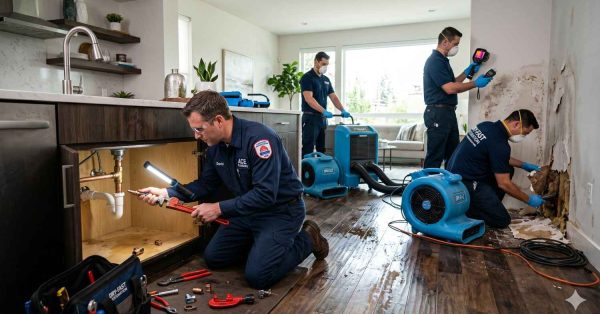
When water intrusion has caused visible structural damage, mold growth, or compromised insulation, working with experienced water damage specialists ensures the repair scope matches what your warranty claim requires and that all work is properly documented.
A qualified water damage professional provides a written assessment identifying the intrusion source, the extent of damage, and the recommended repair scope. This documentation serves as independent evidence supporting your claim and gives the warranty provider a clear basis for approval.
If mold has developed as a result of the intrusion, a separate mold remediation assessment is typically required before structural repairs can begin — a mold remediation assessment documents the contamination scope and is often required by warranty providers before approving repair coverage.
If your property has already experienced water intrusion, understanding the full repair process is just as important as the claim itself — our water damage restoration guide covers every stage from initial assessment through final remediation.
Preventing Future Water Intrusion Claims
The most effective way to manage water intrusion warranty claims is to reduce the likelihood of intrusion occurring in the first place. Proactive maintenance protects your warranty coverage, extends the life of your building envelope, and reduces the risk of costly damage between warranty periods.
Routine Inspections and Maintenance Checklist
A proactive roof inspection checklist completed at least twice a year catches early signs of flashing separation, cracked sealant, and clogged drainage before they escalate into warranty-triggering water intrusion events.
Key maintenance actions that protect warranty coverage include:
- Inspecting roof flashing at all transitions and penetrations each spring and fall
- Cleaning gutters and downspouts to prevent water backup at the roofline
- Checking caulk and sealant at all exterior penetrations annually
- Inspecting foundation walls and basement floors for new cracking or staining after heavy rain
- Testing window and door drainage channels for blockage
Checking window and door seals annually for cracking, shrinkage, or separation is a low-cost maintenance step that protects your warranty coverage and prevents water from entering wall assemblies undetected.
Keeping written records of all inspections and maintenance work is equally important. If a claim is filed, documented maintenance history demonstrates that the damage resulted from a covered defect rather than neglect — and that distinction is often the deciding factor in claim approval.
Conclusion
Water intrusion warranty claims protect homeowners and property managers from the financial impact of construction defects and workmanship failures that allow water to enter a structure. Understanding coverage scope, filing requirements, and exclusion conditions gives you the best chance of a successful outcome.
Proactive maintenance and professional documentation are the two most reliable tools for both preventing claims and winning them when they are necessary.
At Mr. Local Services, our water damage and roofing professionals help property owners document intrusion sources, complete repairs to warranty standards, and maintain the building envelope year-round to keep coverage intact.
Frequently Asked Questions
What is a water intrusion warranty claim?
A water intrusion warranty claim is a formal request for repair or compensation when water enters a structure through a defect covered under a builder, contractor, or home warranty plan. It applies to construction defects and workmanship failures rather than sudden events like floods or burst pipes.
How long do I have to file a water intrusion warranty claim?
Filing deadlines vary by warranty type and provider. Most warranties require written notice within 30 to 90 days of discovering the damage. Reviewing your warranty documents immediately after discovering intrusion is essential to avoid missing the required notice window.
What documentation do I need to file a water intrusion warranty claim?
You need photographs and video of the damage, a written description of when and where the intrusion was discovered, copies of your warranty documents, and any prior repair records for the affected area. A professional assessment identifying the defect source strengthens the claim significantly.
Can a homeowner void their water intrusion warranty?
Yes. Failure to perform routine maintenance, making unauthorized modifications to covered systems, and missing the required notice deadline are the most common ways homeowners unintentionally void their warranty coverage. Reviewing exclusion clauses before any repair work is critical.
Does homeowner’s insurance cover water intrusion warranty claims?
Homeowner’s insurance and warranty coverage serve different purposes. Insurance typically covers sudden and accidental damage, while warranties cover construction defects and workmanship failures. Some intrusion events may qualify under both, but they require separate claims processes and documentation.
What happens if my water intrusion warranty claim is denied?
If a claim is denied, you can request a written explanation of the denial reason, gather additional professional documentation supporting the defect, and submit a formal dispute or appeal as outlined in your warranty agreement. Consulting a licensed contractor for an independent assessment often strengthens an appeal.
How do I prevent water intrusion from voiding my warranty?
Performing documented routine maintenance, addressing minor repairs promptly, and reporting any signs of water intrusion to your warranty provider within the required timeframe are the most effective ways to protect your coverage and prevent denial based on neglect or late notice.