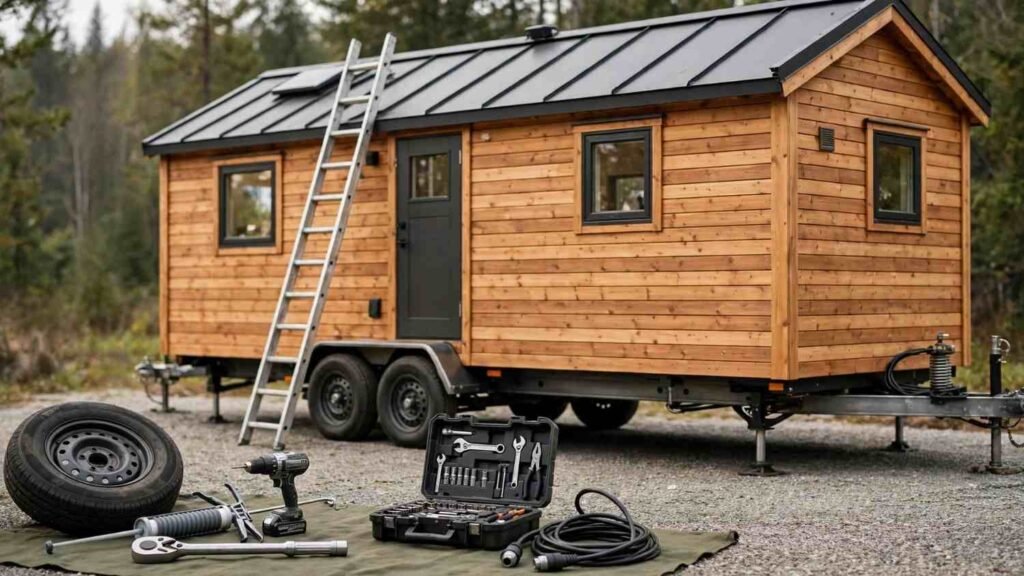
Tiny home on wheels maintenance is the recurring care of a small dwelling built on a towable trailer chassis, combining house upkeep with vehicle upkeep. I treat every THOW as two structures in one. That dual nature is exactly why owners, landlords, and property managers get caught off guard.
Movement, vibration, and tight interior volume accelerate wear that a conventional house absorbs quietly. Ignored, small leaks and loose fasteners turn into rot, mold, and structural repair bills.
This guide covers frame, roof, moisture, plumbing, electrical, HVAC, interiors, openings, pests, seasonal schedules, diagnostics, costs, codes, hiring pros, and rental unit upkeep.
What Tiny Home on Wheels Maintenance Actually Involves
A tiny home on wheels is a permanent-quality dwelling mounted on a steel trailer frame, which means it inherits maintenance duties from both residential construction and towable vehicles. I keep those two lists separate in my head, then merge them into one calendar. That single habit prevents most surprise failures.
Owners who treat a THOW like a cabin miss the axles, bearings, and tires. Owners who treat it like an RV miss the roof sealant cycles, envelope moisture, and interior finishes. Both mistakes cost money.
How a THOW Differs From a House and an RV
Houses sit on foundations and never flex. RVs flex constantly but use lightweight materials designed to be replaced. A tiny home on wheels sits in the middle: heavy residential materials on a flexing chassis.
That combination produces cracked drywall seams, loosened trim, separated flashing, and fatigued fasteners. I inspect for those specific symptoms after every relocation.
The Four Maintenance Zones of Every Tiny Home on Wheels
I break every unit into four zones: the chassis below, the envelope outside, the systems inside the walls, and the living surfaces you touch daily. Each zone fails differently and on a different schedule.
Zone thinking makes inspection fast. It also makes it obvious which trade to call.
| Zone | What It Includes | Typical Inspection Rhythm |
| Chassis | Trailer frame, axles, tires, brakes, jacks | Every 3 months and before every tow |
| Envelope | Roof, siding, flashing, windows, doors | Twice yearly, plus after storms |
| Systems | Plumbing, electrical, HVAC, propane, solar | Twice yearly, annually for combustion |
| Living Surfaces | Floors, walls, lofts, cabinetry, appliances | Ongoing, formal check yearly |
Why Movement Changes Everything About Upkeep
Every mile of towing loads the structure in ways gravity never does. Fasteners back out, sealant beads stretch, and plumbing connections work loose.
I always re-torque lug nuts, recheck sealant, and pressure-test water lines after a move. Skipping that step is how a clean unit develops three leaks in one season.
Trailer, Frame, and Undercarriage Care
The trailer is the foundation, and unlike a concrete slab, it corrodes. I give the undercarriage more attention than any other single component because a compromised frame ends the home’s life.
Everything above the frame depends on it staying straight, sealed, and load-capable. That makes undercarriage inspection the highest-value hour you spend all year.
Rust, Corrosion, and Undercoating
Road salt, standing water, and bare weld points start corrosion fast. I look at weld seams, cross-members, and any spot where the subfloor meets steel.
Surface rust gets wire-brushed and coated. Flaking, scaling, or pitted steel gets a professional structural assessment, and honest rust and structural repair work is far cheaper than a frame replacement.
Axles, Bearings, Brakes, and Tires
Tires age out before they wear out. Sidewall cracking and date codes matter more than tread depth on a home that sits parked for months, and the National Highway Traffic Safety Administration recommends replacing tires based on age and condition regardless of mileage.
Bearings need repacking, brakes need adjustment, and axles need a load-rating check against your actual finished weight. I weigh every unit at a certified scale before a long tow.
Anchoring, Leveling, and Load Distribution
An unlevel THOW racks doors, cracks tile, and pools water on the roof. I level in both axes, then load stabilizing jacks so the springs are not carrying live weight.
Skirting and blocking spread load and cut wind uplift. Good blocking also stops the slow settling that pulls trim off walls.
Roof, Siding, and Exterior Envelope Maintenance
The envelope is the single biggest determinant of a tiny home’s lifespan. Water gets in through five predictable places, and all five are inspectable in under an hour.
I check the envelope every spring and fall, plus after hail or high wind. Sealant is consumable, not permanent.
Metal Roofing, Seams, and Sealant Cycles
Standing seam and corrugated metal dominate THOW roofs because they shed water and survive towing. The metal outlasts the sealant by decades.
I re-seal roof penetrations on a two-to-three-year cycle and inspect annually. Professional metal roof inspection and resealing pays for itself the first time it catches a lifted seam.
Siding, Trim, and Exterior Paint Protection
Wood siding needs a maintained finish, and cedar, pine, and reclaimed board all move with humidity. I refinish before bare wood shows, not after.
Metal and fiber cement need less, but fastener heads and trim joints still need attention. Caulk lines at trim are the first thing to fail.
Flashing, Penetrations, and Gutter Runoff
Every vent, cable, plumbing stack, and window gets flashed and sealed. I trace each penetration with a flashlight from inside on a bright day.
Runoff management matters more on a small footprint. Water dumping beside the trailer feeds rust and pests at the same time.
Moisture, Condensation, and Water Damage Control
Condensation is the number one problem I see in tiny homes on wheels, and it beats roof leaks by a wide margin. Small air volume plus cooking, showering, and breathing produces a lot of interior moisture with nowhere to go.
The U.S. Environmental Protection Agency notes that mold growth begins within 24 to 48 hours of surfaces staying wet. In a 250 square foot space, that clock runs fast.
Where Interior Moisture Comes From
Two adults release several pints of water vapor daily just by living. Cooking without a range hood, showering without exhaust, and drying laundry indoors multiply that.
I look for window fogging, musty smells, dark corners behind furniture, and cupping floorboards. Those four signs catch most cases early.
Ventilation, Dehumidification, and Vapor Barriers
Mechanical ventilation is not optional in a THOW. Range hoods vented outside, bathroom exhaust fans, and a small dehumidifier handle the daily load.
Vapor control matters at the wall assembly level, and closed-cell spray foam plus a continuous air barrier is the common approach. Getting the assembly wrong traps water inside the wall.
Early Warning Signs of Hidden Water Damage
Soft subfloor, staining at the wall-floor junction, and rust bleeding through interior trim all signal water inside the structure. I probe suspect areas with a moisture meter before opening anything up.
Fast response limits the repair to a panel instead of a wall. Delayed response means professional water damage restoration and possible structural work.
Plumbing and Water Systems in a Mobile Structure
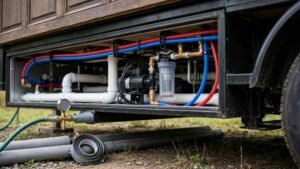
THOW plumbing blends residential fixtures with RV-style connections and pumps. Lines run through unheated cavities and flex during towing, which creates two failure modes a house never faces.
I test the whole system under pressure twice a year. Ten minutes of testing beats a night of pumping water out of a floor cavity.
Fresh Water Supply, Hookups, and Pumps
Most units run either a garden-hose city connection with a pressure regulator or an onboard tank with a 12-volt pump. I always use a regulator because municipal pressure destroys PEX fittings and fixture seals.
Filters need changing, pumps need strainer cleaning, and accumulator tanks need pressure checks. Any drop in flow gets traced before it becomes a burst line.
Greywater, Blackwater, and Composting Toilets
Greywater from sinks and showers, blackwater from flush toilets, and composting systems each carry their own rules and maintenance. I confirm local disposal requirements before recommending any configuration.
Traps need water, vents need clearance, and composting units need media changes and fan checks. Odor is almost always a venting problem, not a waste problem.
Freeze Protection and Winterizing
Exposed lines under a trailer freeze fast. Heat tape, insulated wet bays, skirting, and tank heaters are the standard defenses.
For unoccupied periods, I drain, blow out, and add RV antifreeze to traps. A single seasonal winterizing service costs a fraction of one frozen line repair.
Electrical Systems, Solar, and Power Management
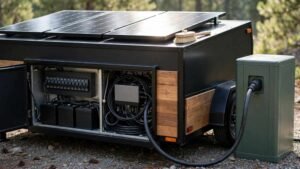
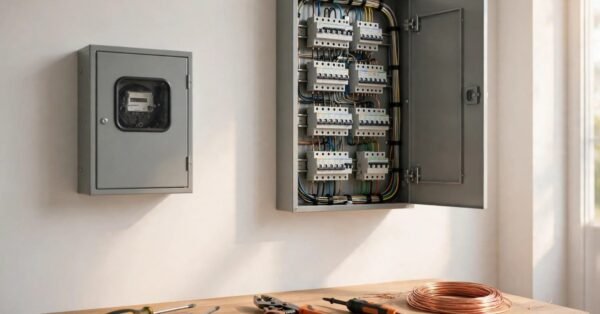
Tiny homes on wheels run 30 or 50 amp service, sometimes with a parallel 12-volt DC system and solar. Two voltage systems in one small space raise the stakes on correct installation and inspection.
I never treat electrical as a casual DIY zone. Licensed work here protects the home and everyone in it.
Shore Power, Panels, and Grounding
The shore cord, inlet, and breaker panel take mechanical abuse every time the home moves. I inspect the inlet for heat discoloration, check breaker torque, and verify grounding and bonding.
Loose connections generate heat, and heat starts fires. Electrical failures remain a leading cause of residential fires according to the National Fire Protection Association, which makes annual inspection cheap insurance.
Solar Arrays, Batteries, and Inverters
Panels need cleaning, mounts need re-torquing after tows, and wiring needs UV-resistant protection. Lithium and AGM batteries want different charge profiles and different storage temperatures.
I check inverter cooling, terminal corrosion, and charge controller settings annually. A tiny home solar and battery maintenance routine keeps capacity from quietly declining.
Load Limits, GFCI Protection, and Safety Testing
A 30 amp service will not run a space heater, an induction cooktop, and a water heater at once. I map circuits and label the panel so occupants understand the ceiling.
GFCI and AFCI devices get tested monthly with the test button. Smoke and CO alarms get tested the same day.
Heating, Cooling, and Air Quality
Small volume means fast temperature swings and fast air quality changes. Undersized equipment struggles, and oversized equipment short-cycles and drives humidity up.
I size to the actual envelope, not the square footage. Right-sized equipment runs longer, quieter, and drier.
Mini Splits, Propane Heaters, and Wood Stoves
Ductless mini splits handle both heating and cooling efficiently and dominate new builds. Direct-vent propane heaters and small wood stoves cover off-grid and cold-climate cases.
Each needs specific care: coil cleaning for mini splits, burner and vent inspection for propane, chimney sweeping for wood. Annual HVAC service for compact systems keeps efficiency and safety aligned.
Filter, Vent, and Duct Maintenance
Mini-split filters clog in weeks, not months, in a small space. I clean them monthly and clear the condensate drain every season.
Range hoods, bath fans, and dryer vents all need clear paths outside. A blocked dryer vent is both a fire risk and a humidity source.
Combustion Safety, CO, and Fire Detection
Any propane appliance, wood stove, or generator introduces carbon monoxide risk in a tightly sealed shell. I install CO alarms at sleeping level and test them monthly.
Propane lines get a leak test annually with solution, never a flame. Fire extinguishers go near the kitchen and the loft exit.
Interior Systems, Finishes, and Space-Saving Fixtures
Interiors take heavy wear because every surface gets used constantly. Vibration from towing then loosens what daily use already stressed.
I plan interior maintenance around high-touch, high-movement points. Those fail first and cost least to fix early.
Flooring, Walls, and Ceiling Repairs
Floating floors shift, tile grout cracks, and drywall seams open at corners. Many builders use thin plywood or shiplap specifically because it tolerates flex better than drywall.
Small drywall and ceiling repairs stay small when caught at the crack stage. I refasten trim and re-caulk wet-area joints yearly.
Lofts, Stairs, Railings, and Built-Ins
Loft ladders, stair treads, and railings carry real load in a moving structure. I check every fastener and bracket annually and after any relocation.
Built-in cabinetry racks when the home sits unlevel. Doors that stop closing squarely usually point to leveling, not hinges.
Appliances Sized for Small Spaces
Compact refrigerators, combo washer-dryers, and tankless water heaters serve tiny homes well and fail differently than full-size units. Coils, filters, and descaling all matter more at this scale.
I descale tankless heaters yearly in hard-water areas. Skipping it cuts output and shortens equipment life quickly.
Doors, Windows, and Weather Sealing
Openings are where the envelope gets interrupted, so they leak first. Towing vibration works on every gasket and hinge simultaneously.
I operate every window and door during inspection. Anything that binds, whistles, or fogs gets addressed the same visit.
Seal, Gasket, and Weatherstrip Replacement
Weatherstripping compresses and hardens, then stops sealing. I replace it on a two-to-four year cycle depending on climate exposure.
Window seals fail visibly as fogging between panes. Door sweeps and thresholds take the most abuse and cost the least to swap.
Hardware, Locks, and Security
Locks, latches, and strikes shift out of alignment as the structure settles and moves. I lubricate, realign, and retighten annually.
Deadbolt reinforcement matters on a lightweight door frame, and a locksmith and door hardware service handles both the security upgrade and the fit problem at once.
Glass, Screens, and Skylight Care
Skylights and roof vents leak more than any other opening because they sit in the water’s path. I inspect their gaskets and sealant every spring.
Screens tear, tracks fill with grit, and operable windows stiffen. Cleaning tracks keeps seals seating properly.
Pest Control and Exterior Site Management
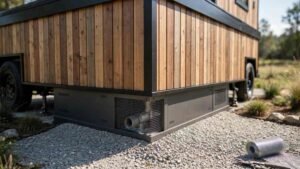
A tiny home sits close to the ground with an open underside, which is an invitation. Rodents chase warmth, wiring insulation, and food odors.
I seal, screen, and clear rather than rely on traps alone. Exclusion beats extermination every time.
Rodents, Insects, and Entry Points Under the Trailer
Utility penetrations, wheel wells, and vent openings are the standard entry routes. I screen every opening with metal mesh, never foam alone.
Chewed wiring and insulation nests are the damage I find most often. Ongoing rodent and pest exclusion work protects both the systems and the insulation value.
Skirting, Clearance, and Drainage Around the Home
Skirting cuts wind, blocks pests, and protects plumbing, but it also traps moisture without vents. I use vented skirting and keep a gravel or paver pad underneath.
Grading water away from the trailer stops rust and standing puddles. Six inches of clearance and a dry pad solve several problems at once.
Vegetation, Trees, and Overhead Risk
Overhanging limbs drop debris on the roof, hold moisture against metal, and threaten the structure in storms. I keep branches well clear of the roof plane.
Vegetation touching siding wicks water and moves pests indoors. Regular tree trimming and clearance work reduces both the roof load and the storm risk.
Seasonal Maintenance Schedule for Tiny Homes on Wheels
A written schedule is what separates owners who spend a few hundred dollars a year from owners who face four-figure repairs. I run the same rhythm on every unit I manage.
The calendar below is my baseline. Climate, occupancy, and tow frequency shift the details.
| Season | Priority Tasks |
| Spring | Roof and sealant inspection, gutter clearing, HVAC coil cleaning, pest exclusion check, moisture meter sweep |
| Summer | Exterior finish touch-up, window and door seal check, solar panel cleaning, tire pressure and date-code review |
| Fall | Winterizing prep, heat tape testing, combustion appliance service, chimney sweep, skirting and vent check |
| Winter | Condensation monitoring, snow load clearing, CO and smoke alarm testing, leak watch at penetrations |
Spring and Summer Tasks
Spring is my envelope season. Everything that took winter abuse gets inspected, resealed, and cleared.
Summer handles finishes and mechanical systems while weather cooperates. I schedule paint, sealant, and roof work in dry stretches.
Fall and Winter Tasks
Fall is safety and freeze prep. Combustion appliances, heat tape, insulation, and skirting all get verified before the first hard freeze.
Winter is monitoring. I watch humidity, snow load, and alarm function rather than starting projects.
Pre-Tow and Post-Tow Inspections
Before towing, I check lug torque, tire pressure, bearing temperature, brake function, lights, and every interior latch. Loose cargo in a tiny home becomes a projectile.
After towing, I re-torque, re-level, pressure-test plumbing, and walk the envelope for lifted trim or sealant. Post-tow inspection catches damage while it is still a ten-minute fix.
Diagnosing Common Tiny Home Problems
Most complaints trace back to a short list of causes. I work symptom to system rather than guessing.
Correct diagnosis is what keeps a repair from repeating. Treating a symptom without finding the source guarantees a callback.
| Symptom | Most Likely Cause | System |
| Window fogging, musty smell | Inadequate ventilation | Moisture control |
| Water stain at wall base | Failed penetration or window flashing | Envelope |
| Doors sticking, cracked grout | Unlevel or settled blocking | Chassis |
| Breaker tripping under load | Circuit overload or failing device | Electrical |
| Low water flow | Clogged filter, strainer, or pump | Plumbing |
| Uneven heating | Undersized or dirty HVAC unit | HVAC |
Symptom-to-System Troubleshooting Map
I start at the cheapest, most accessible cause and work inward. Filters, fasteners, and leveling explain a surprising share of problems.
Only after the simple checks do I open assemblies. Opening walls first wastes money.
Repairs Worth Doing Yourself
Filter changes, weatherstrip replacement, caulk renewal, alarm testing, and leveling adjustments are all reasonable owner tasks. I encourage owners to own these because frequency matters more than skill here.
Basic handyman and small repair tasks also fall in this range with the right tools and an hour of time.
Repairs That Need a Licensed Professional
Electrical panel work, propane lines, structural frame repair, roof replacement, and anything involving mold remediation belong to licensed trades. Insurance and code compliance both depend on it.
I also hand off axle, brake, and bearing work. Those failures happen at highway speed.
Costs, Budgeting, and Long-Term Value
Maintenance spending on a THOW is predictable when it is planned and brutal when it is deferred. I budget as a percentage of replacement value rather than a flat number.
Documented upkeep also holds resale value, which matters because tiny homes on wheels are titled and financed differently than houses.
Typical Annual Maintenance Budget Ranges
I plan on roughly one to three percent of the home’s value annually for routine upkeep, with a separate reserve for major systems. Roofs, axles, and HVAC are the big-ticket items.
Deferred maintenance compounds. A fifteen-dollar tube of sealant prevents a several-thousand-dollar subfloor and wall repair.
Repair vs. Replace Decisions
I replace when the repair costs more than half of new, when the part is obsolete, or when failure risk is safety related. Otherwise, I repair.
Tires, weatherstripping, and filters are always replace items. Frames, roofs, and cabinetry are almost always repair items.
Documentation, Insurance, and Resale Value
I keep a maintenance log with dates, photos, receipts, and service provider names. Buyers, insurers, and lenders all respond to documentation.
Certification status, weight documentation, and service history together determine how easily a unit sells or insures. Missing records cost real money at closing.
Codes, Standards, and Certification Basics
Tiny homes on wheels sit in a regulatory gray zone between vehicle and dwelling, and the classification affects what maintenance and repairs are legally required. I confirm classification before planning any major work.
Certification also affects parking, insurance, and financing. Repairs that break certification create problems later.
ANSI, NOAH, RVIA, and Park Model Classifications
Most THOWs are certified under ANSI 119.5 as park model RVs, or through third-party programs like NOAH or RVIA. Some jurisdictions now recognize Appendix AQ of the International Residential Code for tiny houses on foundations.
Each pathway carries different inspection expectations. I document which applies before altering systems.
Local Zoning, Parking, and Utility Rules
Zoning controls where a THOW parks, how long it stays, and which utility connections are permitted. Rules vary by city, county, and park.
I verify local requirements before installing permanent utility connections. Retrofitting to satisfy an inspector costs more than doing it right once.
Choosing the Right Tiny Home Service Professional
Tiny homes on wheels need pros who understand both residential systems and towable construction. That combination is less common than it sounds.
I look for demonstrated THOW or park model experience, proper licensing, and insurance that covers mobile structures.
Trades That Work on Tiny Homes on Wheels
Roofers, plumbers, electricians, HVAC techs, carpenters, and trailer shops all play a role. Coordinating them is where most owners lose time.
A single point of contact solves that, and connecting with vetted local home service professionals removes the vendor-hunting problem entirely.
Questions to Ask Before Hiring
I ask about prior tiny home work, licensing and insurance, warranty terms, and whether they will document the work for my maintenance log. Vague answers end the conversation.
Written scope and pricing before work starts protects both sides. Transparent estimates are a quality signal.
Maintenance for Rentals, Airbnbs, and Managed Tiny Homes
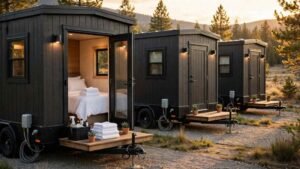
Rented tiny homes take faster wear because guests operate systems they do not understand. I build preventive programs around that reality.
Occupancy turnover also creates natural inspection points. Using them keeps small issues from reaching reviews.
Turnover Inspections and Guest-Ready Standards
Between stays, I check water flow, HVAC operation, alarm function, door and window operation, and any sign of moisture. Five minutes per system catches most problems.
Consistent property cleaning and turnover services pair naturally with these checks and keep standards steady across units.
Preventive Programs for Multi-Unit Sites
Multiple units on one site justify a scheduled program: quarterly chassis checks, semiannual envelope reviews, annual systems service. Batching visits cuts cost per unit.
I standardize equipment across units wherever possible. Common parts and one service rhythm simplify everything.
Conclusion
You now understand the four maintenance zones, the systems inside each, the seasonal rhythm, the diagnostic logic, and the real cost of deferral.
Tiny home upkeep sits inside a wider home services domain, and dedicated guides on roofing, plumbing, electrical, and moisture control go deeper.
We connect you with vetted tiny home specialists fast. Contact Mr. Local Services and get your maintenance plan started today.
Frequently Asked Questions
How often does a tiny home on wheels need maintenance?
Quarterly chassis checks, twice-yearly envelope and systems inspections, and annual combustion service. Add a full inspection before and after every tow.
What is the most common repair problem in tiny homes on wheels?
Moisture damage from interior condensation leads by a wide margin. Small air volume plus limited ventilation drives mold, soft subfloors, and rot.
How much should I budget each year for tiny home upkeep?
Plan on one to three percent of the home’s value annually for routine maintenance. Keep a separate reserve for roofing, axles, and HVAC replacement.
Do tiny homes on wheels need RV maintenance or house maintenance?
Both. The trailer, axles, tires, and brakes follow vehicle schedules while the roof, envelope, plumbing, and interior follow residential schedules.
Can I live in a tiny home on wheels year-round in cold climates?
Yes, with heat tape, insulated wet bays, vented skirting, and strong ventilation. Freeze protection and condensation control matter most in winter.
Who repairs tiny homes on wheels?
Licensed roofers, plumbers, electricians, HVAC techs, carpenters, and trailer shops. Look for documented experience with park models or towable dwellings.
Does regular maintenance affect tiny home resale value?
Significantly. A documented maintenance log with receipts and photos supports pricing, speeds financing approval, and reassures buyers and insurers.