Basic plumbing repairs are small-scale fixes that keep water systems running safely, like unclogging drains, fixing running toilets, patching minor leaks, or replacing worn faucet washers. I think of these as the maintenance tasks that prevent bigger, costlier problems down the road. They don’t require major system replacement or structural work. For homeowners and property managers, knowing what falls into this category helps you decide what to tackle yourself and what needs a professional.
What Counts as a Basic Plumbing Repair
Basic plumbing repairs include fixing leaky faucets, clearing clogged drains, repairing running toilets, replacing worn-out washers, and patching small pipe leaks. These tasks are usually quick, low-cost, and don’t require opening walls or replacing major fixtures. We consider them routine maintenance rather than emergency intervention.
Common Basic Repairs Homeowners Encounter
I see the same issues come up again and again. Dripping faucets waste water and money over time. Slow or clogged drains, running toilets, and loose pipe fittings round out the list. Each one is manageable with basic tools and a little know-how.
Signs a Repair Is No Longer “Basic”
Some problems start simple but escalate fast. Persistent leaks behind walls, low water pressure throughout the house, or sewage odors signal something deeper. And once you see water stains spreading, that’s your cue to stop guessing.
Understanding where basic repairs end helps you make smarter decisions before small issues grow. Once a leak goes beyond the surface, a licensed plumber steps in to diagnose what’s really happening inside your pipes.
When to Handle It Yourself vs. Call a Professional
I always tell property owners: match the repair to your comfort level, not your confidence. Replacing a washer or plunging a toilet is reasonable for most people. Anything involving main lines, water heaters, or gas connections needs a licensed professional.
Risks of DIY Plumbing Mistakes
Pushing past your skill level often makes things worse. A mishandled repair can crack a pipe, flood a room, or damage flooring and drywall. At that point, water damage services address the mold, structural harm, and moisture issues that follow a botched fix.
We’ve seen small jobs turn into major repair bills simply because someone skipped a shutoff valve step.
How Basic Plumbing Repairs Protect Your Property’s Value
Staying on top of small plumbing issues protects more than your pipes. It protects your home’s structure, your water bill, and your resale value. Buyers and inspectors notice neglected plumbing fast.
Consistent basic maintenance signals a well-cared-for property. It’s one of the simplest ways to avoid expensive surprises later.
Conclusion
Basic plumbing repairs cover the small, routine fixes that keep your water systems working safely and efficiently. Knowing the difference between a quick fix and a bigger issue saves you time, money, and stress.
Staying proactive protects your property’s long-term value and prevents minor issues from becoming major ones.
We make it simple to get reliable help when you need it. Reach out to Mr. Local Services today and let our trusted professionals handle the repair, big or small.
Frequently Asked Questions
What tools do I need for basic plumbing repairs?
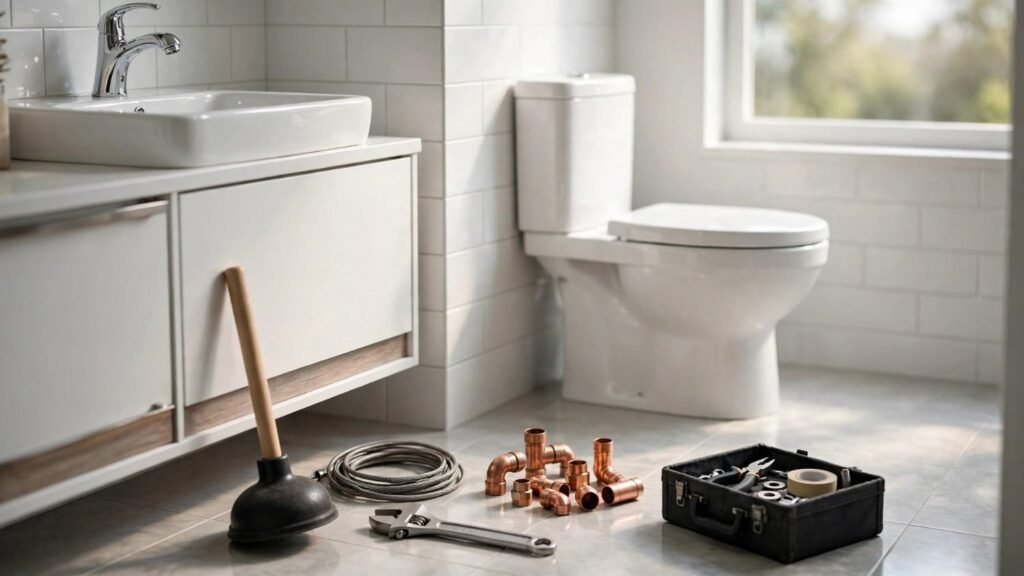
A plunger, pipe wrench, plumber’s tape, and a basin wrench cover most basic repairs. These handle common jobs like clogs, leaks, and faucet replacements effectively.
How much do basic plumbing repairs typically cost?
Basic repairs usually range from $75 to $250, depending on the issue. Costs rise with complexity, parts needed, and whether it’s an emergency call.
Can I fix a leaky pipe myself?
Small leaks from loose fittings are fixable with tape or a clamp. Larger cracks or corroded pipes need professional repair to prevent further damage.
How often should plumbing be inspected?
Most homes benefit from a professional plumbing inspection once a year. Older properties or those with recurring issues may need more frequent checks.
What’s the difference between a repair and a replacement?
Repairs fix a specific, isolated problem like a leak or clog. Replacement involves swapping out an entire fixture or pipe section due to age or damage.