A prefab home is a house built in sections at a factory, then assembled on site, and its sustainable features are the systems and materials that cut energy use, water use, and waste. I work with homeowners, landlords, and property managers who want those features explained plainly.
Energy costs, water rates, and insurance premiums keep climbing. I see property owners lose money every year because nobody explained which green features actually pay back and which ones simply sound impressive.
This guide covers envelope and insulation, solar, HVAC, water systems, materials, roofing, smart tech, landscaping, costs, codes, maintenance, retrofits, and contractor selection across every prefab type.
What Makes a Prefab Home Sustainable?
Sustainability in a prefab home comes from three places: how it was built, what it was built with, and how it performs once people live in it. I judge a home on all three, never just one.
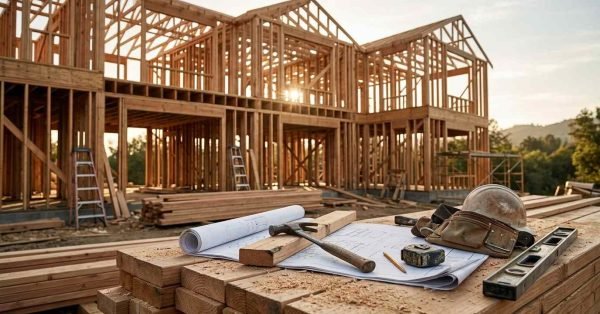
Factory construction is the starting advantage. Materials get cut to spec under a roof, offcuts get reused across builds, and weather never soaks a stack of lumber sitting in a yard. The U.S. Environmental Protection Agency reports that construction and demolition debris in the United States totals more than 600 million tons annually, and controlled factory environments trim a meaningful share of that from a single build.
Factory-Controlled Construction and Material Waste
Repeatable assembly lines produce tighter tolerances than field framing. Tighter tolerances mean fewer gaps, less caulk, and less rework later.
I also like that the same crew builds module after module. Skill compounds, and mistakes get caught before drywall closes them in.
Whole-Home Energy Performance vs. Single Green Upgrades
A bamboo floor next to a leaky wall assembly saves nothing. I always look at the whole system first, then the finishes.
The order matters. Envelope, then mechanicals, then renewables, then cosmetic materials.
Certifications That Verify Sustainability Claims
Marketing language means very little without third-party verification. ENERGY STAR, LEED, and Passive House each measure something different, and I explain those differences later in this guide.
For a landlord or property manager, verified paperwork carries weight with lenders, insurers, and tenants. That paperwork is worth requesting before you sign anything.
Energy-Efficient Building Envelope and Insulation
The envelope is the shell: walls, roof deck, floor system, windows, and doors. It does more for your utility bill than any appliance you buy.
Space heating and cooling account for roughly half of household energy consumption according to the U.S. Energy Information Administration. A tight, well-insulated shell shrinks that load before a single mechanical system turns on.
Insulation Types Used in Modular and Panelized Builds
Closed-cell spray foam, mineral wool batts, dense-pack cellulose, and structural insulated panels all appear in prefab construction. Each performs differently in a factory setting.
I generally see spray foam and SIPs in modular walls because they survive transport and craning without slumping. Batts work fine when panels are sealed properly first.
Air Sealing, Thermal Bridging, and Thermal Continuity
Air leakage wastes more energy than thin insulation does. Sealing rim joists, module marriage lines, and penetrations comes first.
Continuous exterior rigid foam breaks the thermal bridge at studs. That single detail lifts real-world wall performance noticeably.
High-Performance Windows and Exterior Doors
Double or triple glazing, low-E coatings, and warm-edge spacers cut heat transfer at the weakest point in any wall. Frame material matters as much as the glass.
Proper flashing and a compressed seal keep that performance intact for decades. Poor installation undoes good products, which is why window replacement and installation work belongs with a qualified crew rather than a weekend project.
Renewable Energy Systems for Prefab and Modular Homes
Prefab roofs are often ideal for solar because spans are engineered and pitches are consistent. I plan the array before the roof gets finished whenever a client will accept the sequence.
Residential solar keeps expanding across the country, with the Solar Energy Industries Association tracking cumulative U.S. installed capacity past 200 gigawatts. That scale has pulled equipment prices down and pushed installer availability up in most metro areas.
Rooftop Solar and Solar-Ready Roof Design
Solar-ready means conduit chases, reinforced blocking, and a clear south or west plane. Adding those during the factory build costs a fraction of retrofitting them.
I ask builders for a stamped roof load calculation up front. That document saves arguments with inspectors later.
Battery Storage and Backup Power
Batteries turn daytime production into evening usable power and cover outages. They also protect tenants during grid events, which matters for property managers with occupied units.
Sizing depends on what you want to keep running. Refrigeration, well pumps, and medical equipment come first in every plan I build.
Net-Zero and Passive House Targets
Net-zero means annual production matches annual consumption. Passive House targets extremely low demand through envelope discipline rather than large equipment.
Prefab suits both because factory precision hits the airtightness numbers these standards demand. Reaching those targets requires coordinated electrical system upgrades for panel capacity, subpanels, and inverter connections.
High-Efficiency HVAC, Heat Pumps, and Indoor Air Quality
Small, tight homes need small, precise equipment. Oversized systems short-cycle, waste power, and leave humidity behind.
Modern cold-climate heat pumps deliver useful heat well below freezing. The U.S. Department of Energy notes that heat pumps reduce electricity use for heating by roughly 50% compared with electric resistance systems.
Heat Pump Heating and Cooling in Small Footprints
Ductless mini-splits and compact ducted units fit prefab volumes without stealing living space. One outdoor unit serves several indoor heads.
I like mini-splits in tiny homes and ADUs specifically. Installation is fast and the refrigerant lines route easily through factory chases.
Ventilation, ERV/HRV, and Filtration
Airtight homes require mechanical fresh air. Energy and heat recovery ventilators bring outside air in while reclaiming most of the conditioned energy leaving.
Filtration handles the rest. MERV 13 media captures fine particulate without choking a properly sized blower, and proper HVAC installation and service keeps that balance correct year after year.
Ductless Zoning and Right-Sized Equipment
Zoning lets unoccupied rooms drift while occupied rooms stay comfortable. That alone trims runtime meaningfully.
A Manual J load calculation drives correct sizing. I refuse rule-of-thumb tonnage on any efficiency project.
Water Conservation, Plumbing, and Greywater Features
Water features get overlooked because water is cheap in many markets. Sewer charges, heating costs, and leak damage make the math far less forgiving.
The average American family uses more than 300 gallons of water per day at home, per EPA WaterSense. Fixtures and hardware decide how much of that is genuinely necessary.
Low-Flow Fixtures and WaterSense Products
Labeled showerheads, faucets, and toilets cut flow without cutting performance. Pressure-compensating aerators keep the feel of a full stream.
Swapping fixtures is the cheapest green upgrade available. It pays back in months, not years.
Tankless and Heat Pump Water Heaters
Tankless units eliminate standby loss and free floor space in compact mechanical closets. Heat pump water heaters cut electricity for hot water dramatically.
Both need correct venting, drainage, and clearances. Getting a licensed pro on plumbing installation and repair work prevents the callbacks I see most often.
Rainwater Harvesting and Greywater Reuse
Cisterns capture roof runoff for irrigation and, in permitted cases, toilet flushing. Greywater systems route shower and laundry water to landscape beds.
Local code governs both, sometimes strictly. I check jurisdiction rules before I quote either system.

Sustainable Materials, Finishes, and Low-VOC Interiors
Materials affect health and durability at the same time. I pick finishes that last, because replacement is the least sustainable outcome available.
Indoor air is frequently two to five times more polluted than outdoor air, according to EPA indoor air quality research. Finishes are a large part of that story in a new build.
Reclaimed, FSC-Certified, and Rapidly Renewable Materials
Reclaimed timber, FSC-certified lumber, bamboo, cork, and recycled steel all carry lower embodied impact. Factory builders buy these in volume, which lowers the premium.
I ask for chain-of-custody documentation on certified wood. Verified sourcing separates real claims from labels.
Low-VOC Paints, Adhesives, and Sealants
Volatile organic compounds off-gas for weeks after installation. Low- and zero-VOC products remove that exposure without sacrificing coverage.
Adhesives and caulks matter as much as paint. Skilled interior and exterior painting services apply these coatings correctly so coverage and cure times stay on spec.
Eco-Friendly Flooring and Countertop Options
Cork, linoleum, bamboo, reclaimed hardwood, and recycled-content tile perform well in prefab spans. Recycled glass and paper composite counters resist heat and stain.
Subfloor prep decides longevity here. Proper acclimation and moisture testing come before any flooring installation project starts.
Green Roofing, Siding, and Exterior Durability
The exterior fights sun, water, and wind every day. Durable cladding is inherently sustainable because it delays the next replacement cycle.
Cool roofs stay measurably cooler than dark asphalt under summer sun. That reduces cooling load and extends the life of the roof assembly itself.
Cool Roofs, Metal Roofing, and Reflective Coatings
Standing seam metal lasts decades, sheds snow, and hosts solar mounts cleanly. Reflective coatings upgrade an existing low-slope deck quickly.
Color and coating rating drive the reflectance number. I compare products by solar reflectance index rather than appearance.
Fiber Cement, Engineered, and Recycled Siding
Fiber cement resists rot, insects, and fire. Engineered wood and recycled composite panels arrive prefinished, which trims site labor.
Factory-applied finishes hold up longer than field paint. That advantage shows up around year eight.
Moisture Management and Water Damage Prevention
Drainage planes, rainscreen gaps, and flashing details keep water moving out. Every sustainability gain dies the moment a wall stays wet.
Module marriage lines and roof transitions deserve extra attention. Fast response from water damage restoration specialists limits mold and structural loss when something does fail, and coordinated roof repair and replacement work closes the source.

Smart Home Technology and Energy Monitoring
Data changes behavior. I watch clients cut usage simply because a dashboard shows them what a device costs to run.
Automation handles the rest without daily attention. Schedules, sensors, and setpoints do the work quietly.
Smart Thermostats and Load Management
Learning thermostats adjust setpoints around occupancy and weather. Utility demand-response programs pay participants for brief adjustments during peak hours.
Load management staggers big draws. Water heater, EV charger, and dryer run at different hours automatically.
Leak Detection and Water Shutoff Sensors
Point sensors under sinks and whole-home shutoff valves catch leaks in minutes. For landlords with multiple units, that protection is cheap insurance.
I install them at water heaters, laundry boxes, and dishwashers first. Those three cause most of the claims I see.
Real-Time Consumption Dashboards
Circuit-level monitoring shows which loads dominate. Owners then fix the top two instead of guessing.
Failing equipment also announces itself through rising draw. That early warning turns emergencies into scheduled appliance repair and replacement visits.
Sustainable Site Work, Landscaping, and Outdoor Living
The site matters as much as the structure. Grading, plantings, and hard surfaces control water, shade, and long-term maintenance costs.
Outdoor irrigation accounts for nearly one-third of residential water use nationally, per EPA WaterSense outdoor data. Plant selection resolves most of that waste immediately.
Native Planting, Xeriscaping, and Smart Irrigation
Native species survive local rainfall with minimal help. Xeriscaping removes thirsty turf entirely in dry climates.
Weather-based controllers skip cycles after rain. Thoughtful landscaping design and maintenance ties plant choice, soil, and irrigation into one working system.
Permeable Surfaces, Decks, and Tree Preservation
Permeable pavers and gravel let stormwater infiltrate instead of running off. Mature trees shade roofs and walls for free.
Composite and FSC-certified decking extend outdoor living without frequent refinishing. A well-built deck or outdoor structure also protects the soil beneath it from compaction, while careful tree trimming and removal preserves canopy that actually shades the house.
Foundations, Site Disturbance, and Drainage
Pier and screw-pile foundations disturb far less soil than full basements. Less disturbance means less erosion and less imported fill.
Positive grading away from the home protects everything above it. I confirm slope and downspout discharge on every walkthrough.
Costs, Incentives, and Long-Term Savings
Green features carry a premium at purchase and a discount every month afterward. I show clients both numbers side by side before they decide.
Federal incentives changed the math substantially. The U.S. Department of Energy outlines home energy rebate programs delivering up to $8,000 for qualifying efficiency projects, alongside tax credits for heat pumps, insulation, and solar.
Upfront Premium vs. Lifetime Operating Cost
A high-performance envelope adds cost once and reduces bills for thirty years. Equipment lasts longer under lighter loads too.
I model ten-year totals rather than sticker prices. That view flips most decisions.
Federal Tax Credits, Rebates, and Utility Programs
Federal credits, state programs, and utility rebates stack in many markets. Documentation requirements differ for each one.
I collect model numbers, invoices, and certificates during the job. Chasing paperwork afterward wastes everyone’s time.
Resale Value and Appraisal Considerations
Verified efficiency features appear in appraisals and MLS listings when documented properly. Buyers and tenants increasingly ask for utility histories.
Landlords gain a leasing advantage from lower tenant bills. That advantage compounds in competitive rental markets.
Codes, Permits, and Green Certification Pathways
Prefab sits under overlapping rules. Factory certification, transport approval, and local site permitting all apply.
Modular homes meet state and local building codes, while manufactured homes follow the federal HUD Code administered by the Department of Housing and Urban Development. Knowing which category you own decides which rules govern your upgrades.
Modular Approval, HUD Code, and Local Zoning
Modules arrive with factory labels covering structure and systems. Local jurisdictions still permit foundations, utilities, and setbacks.
Zoning controls ADUs, tiny homes, and lot placement. I verify allowances before design work begins.
ENERGY STAR, LEED, and Passive House Routes
ENERGY STAR certifies whole-home performance against a reference build. LEED scores materials, site, water, and energy together. Passive House sets absolute demand and airtightness limits.
Each requires testing and third-party verification. Pick the pathway that matches your goal and budget.
Documentation Landlords and Property Managers Need
Insurers, lenders, and tenants ask for different records. I keep certificates, blower door results, warranty documents, and permit closeouts in one file per property.
Organized records shorten every future transaction. They also settle disputes quickly.
Maintaining Eco-Friendly Features Year-Round
Green systems degrade without service. A neglected heat pump and a filthy filter erase the efficiency you paid for.
I run properties on a seasonal calendar instead of reacting to failures. Scheduled visits cost far less than emergencies.
Seasonal HVAC, Vent, and Filter Service
Filters, coils, condensate lines, and ERV cores need regular attention. Airflow drops quietly, then bills climb.
Dryer exhaust deserves its own schedule. Regular dryer vent cleaning restores drying efficiency and removes a genuine fire risk.
Roof, Gutter, Window, and Envelope Checks
Twice-yearly exterior inspections catch lifted flashing, clogged gutters, and failed sealant. Small repairs stay small when they get found early.
Exterior washing preserves cladding finishes and prevents organic growth. Careful pressure washing service cleans siding and decking without driving water into the assembly.
Appliance, Electrical, and Plumbing Efficiency Upkeep
Water heater flushing, gasket checks, and coil cleaning keep appliances near rated efficiency. Panels and connections need periodic inspection too.
Pest activity damages insulation and wiring fast. Ongoing pest control service protects the envelope investment underneath.
Retrofitting an Existing Prefab or Manufactured Home
Most owners I meet already own the home. Retrofits deliver real savings when they follow the right order.
Older manufactured homes especially reward basic work. Sealing and insulation beat equipment swaps almost every time.
Highest-Return Green Upgrades First
Air sealing, attic insulation, and duct sealing lead the list. LED lighting and low-flow fixtures follow cheaply.
Windows and solar come later. I sequence by dollars saved per dollar spent.
Insulation, Skirting, and Duct Sealing Retrofits
Belly insulation, sealed skirting, and mastic-sealed ducts transform older units. Crawl space moisture control protects that work.
Interior air barriers need repair too, and drywall and ceiling repair restores continuity after any insulation or wiring retrofit.
Electrification and Appliance Replacement
Replacing resistance heat with a heat pump cuts consumption immediately. Induction cooking and heat pump dryers continue the trend.
Panel capacity governs the pace. Doors and thresholds also leak badly on older units, so door replacement and weatherproofing belong in the same phase.

How to Choose Contractors for Green Prefab Work
Efficiency work rewards skill more than materials. A perfect product installed badly performs badly.
I vet crews on training, references, and testing capability. Anyone claiming a green specialty should be able to prove results.
Credentials, Licensing, and Insurance
I confirm state licensing, general liability, and workers’ compensation before scheduling. Manufacturer certifications matter for heat pumps, solar, and spray foam.
BPI or RESNET credentials signal real building-science training. Those letters change outcomes.
Scope, Timelines, and Transparent Pricing
Written scopes prevent disputes. I want model numbers, R-values, testing deliverables, and a clear exclusion list.
Payment tied to milestones protects both sides. Vague quotes hide vague work.
Coordinating Multiple Trades on One Project
Sequencing matters enormously. Insulation follows rough electrical, drywall follows insulation, and blower door testing happens before finishes hide the leaks.
One coordinator prevents the finger-pointing that kills schedules. Handling smaller tasks through general handyman services keeps punch lists moving, and a post-construction deep cleaning service removes dust before ventilation systems commission. Homes serving older residents benefit from adding accessibility and mobility upgrades during the same phase.
Conclusion
Sustainable prefab homes combine factory precision, tight envelopes, efficient mechanicals, smart water use, durable exteriors, and verified certifications into one measurable performance package.
These features connect to every property decision ahead of you, from utility budgets and insurance to resale value, tenant retention, and long-term maintenance planning.
We help you scope, price, and complete every upgrade with vetted local pros. Contact Mr. Local Services and start improving your property today.
Frequently Asked Questions
Are prefab homes actually more eco-friendly than site-built homes?
Generally yes. Factory construction cuts material waste and weather damage, and tighter assemblies deliver better airtightness than most field-framed homes.
What is the most cost-effective green feature to add first?
Air sealing and insulation. Both cost little, install quickly, and reduce heating and cooling loads before you spend money on equipment.
Can an older manufactured home be made energy efficient?
Absolutely. Belly insulation, sealed skirting, duct sealing, and a heat pump upgrade transform performance in homes built decades ago.
Do eco-friendly prefab homes cost more to maintain?
No. Maintenance costs stay similar, and durable materials plus lighter equipment loads often extend replacement cycles and lower long-term spending.
Which certifications should I look for in a green prefab home?
ENERGY STAR for whole-home efficiency, LEED for broader environmental scoring, and Passive House for the strictest energy demand and airtightness limits.
How long does it take to recover the cost of green upgrades?
Fixtures and sealing pay back within months. Heat pumps and insulation typically recover in three to seven years, and solar takes longer.
Do I need special contractors for sustainable prefab features?
Yes. Look for manufacturer certifications plus BPI or RESNET building-science training, since installation quality determines actual performance.