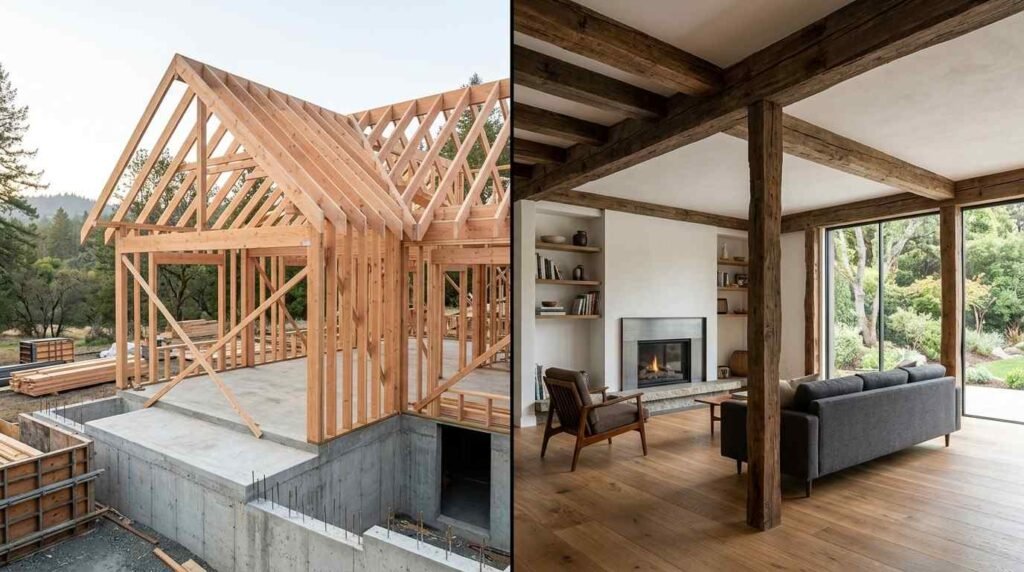
A custom home gives you full control over layout and finishes, while remodeling works within an existing structure’s bones. I’ve watched homeowners agonize over this exact choice, and the answer usually comes down to three things: budget flexibility, timeline patience, and how attached you are to your current lot or neighborhood.
This decision affects your finances, your daily life, and your home’s value for years. Getting it wrong costs real money and real time.
I’m walking through the actual differences in cost, timeline, and control. No fluff, just what each path really demands.
What Building a Custom Home Actually Involves
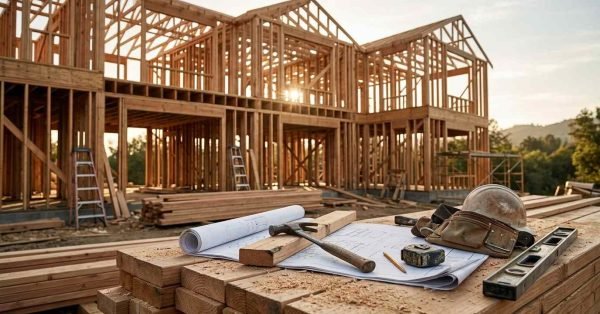
A custom home starts with raw land or a teardown lot. You’re designing from a blank slate, which means every wall, window, and outlet placement is a decision you make with an architect or builder.
The process runs through design, permitting, site prep, and construction in that order. Nothing skips ahead. And nothing moves fast in the early stages either.
Land, Design, and Permitting Timeline
Design and permitting alone typically take three to six months before a shovel touches dirt. Local zoning boards, utility connections, and soil testing all factor into approval speed.
I always tell people to expect delays here. Permitting offices move on their own schedule, not yours.
Cost Structure of Custom Builds
Custom builds run higher per square foot than remodels because you’re paying for land development, new infrastructure, and full design work. The National Association of Home Builders tracks construction cost breakdowns that show labor and materials now make up roughly 60% to 65% of total build cost in most markets.
Site work, permits, and impact fees stack on top of that base number. None of it is optional.
What Remodeling an Existing Home Actually Involves
Remodeling works with a structure that already exists. You’re not starting from nothing. You’re adjusting, expanding, or rebuilding parts of a home that’s already standing.
This changes the entire risk profile. Existing walls, plumbing, and wiring come with history you can’t always see until demolition starts.
Scope Creep and Hidden Condition Issues
Old wiring, water damage behind walls, and outdated plumbing show up mid-project constantly. A remodel budget needs breathing room for problems nobody could see during the walkthrough.
I’ve seen kitchen remodels turn into structural repairs the moment a contractor opens a wall. That’s just how older homes behave.
Cost Structure of Remodels
Remodels generally cost less overall than new construction because the foundation, framing, and roof already exist. The Bureau of Labor Statistics tracks remodeling services pricing, and costs vary widely by region and the age of the home being updated.
Material and labor pricing swings hard based on what’s hidden behind the walls. A 1960s home and a 2005 home behave completely differently once work begins.
Timeline Differences: New Build vs Remodel
New construction runs longer from start to finish, usually stretching eight months to over a year once you count design, permitting, and build phases together. Remodels move faster on smaller projects but stretch out fast once structural work gets involved.
A kitchen refresh takes weeks. A whole-home remodel with structural changes takes months, sometimes rivaling new construction timelines.
Weather, permit approval speed, and material availability affect both paths equally. Neither one is immune to delays.
Cost Comparison: Where the Money Actually Goes
Custom home costs spread across land acquisition, site development, permits, and full construction from the ground up. Remodel costs concentrate on the specific rooms or systems being touched, plus any surprises found along the way.
Financing differs too. Construction loans for custom builds convert to a mortgage after completion, while remodels typically use home equity loans, cash-out refinances, or personal savings.
Property value impact also splits differently. A custom home is valued as new construction immediately. A remodel’s value increase depends heavily on which rooms got updated and how well the work matches neighborhood expectations.
Customization and Control: How Much Say You Really Get
Custom builds give total control over floor plan, room count, ceiling height, and every finish detail from day one. Nothing about the layout is inherited from a previous owner’s decisions.
Remodels work inside constraints the existing structure sets. Load-bearing walls, plumbing stacks, and lot setbacks all limit how far you can push a redesign.
I tell clients this straight: a remodel is negotiation with the house you already own. A custom build is a conversation with a blank page.
Which Option Fits Your Situation Best
Your existing lot, neighborhood attachment, and current home’s condition all weigh into this decision heavily. A home in a location you love with solid bones usually favors remodeling.
A lot with no existing structure, or a home too far gone structurally, points toward building new. Cost per square foot, timeline tolerance, and how much disruption you can handle during construction all factor in too.
Property managers and landlords often lean toward remodeling for faster turnaround on rental units. Homeowners planning a forever home sometimes choose custom builds specifically for long-term layout control.

Working With Professionals for Either Path
Both paths need licensed, experienced professionals who understand local codes and realistic timelines. A custom build needs an architect, a general contractor, and often a structural engineer working together from the start.
A remodel needs a contractor who can assess existing conditions honestly before work begins, not after demolition reveals problems. We connect homeowners and property managers with vetted professionals across both paths at Mr. Local Services, so the right team is in place before the first decision gets made.
Getting quotes from multiple contractors matters regardless of which path you choose. Transparent pricing upfront prevents budget surprises down the line.
Conclusion
Custom homes and remodels solve different problems with different timelines, costs, and levels of control over the final result. Your lot, your budget, and your patience for construction all point toward the right answer.
Property value, daily disruption, and long-term satisfaction all hinge on choosing the path that matches your actual situation, not just your first instinct.
We help homeowners and property managers work through this decision with trusted professionals at every step. Reach out to Mr. Local Services and let’s figure out which path fits your property best.
Frequently Asked Questions
Is it cheaper to remodel or build a custom home?
Remodeling generally costs less overall since the foundation and structure already exist. Custom builds carry higher costs due to land development, new infrastructure, and full design work from scratch.
How long does a custom home build take compared to a remodel?
Custom builds typically take eight months to over a year from design through completion. Remodels vary widely, from a few weeks for small projects to several months for structural changes.
Can I get more customization with a remodel?
Remodels work within existing walls, plumbing, and structural limits, so customization is more constrained. Custom builds offer full control over layout, finishes, and every design decision from the start.
What hidden costs come with remodeling an older home?
Older homes often hide wiring, plumbing, or water damage issues behind walls that surface once demolition starts. Budgeting extra for these surprises prevents major financial strain mid-project.
Does a custom home increase property value more than a remodel?
Custom homes are valued as new construction immediately upon completion. A remodel’s value increase depends on which rooms were updated and how well the work matches neighborhood standards.
Should I remodel if I love my current neighborhood?
Staying in a neighborhood you love strongly favors remodeling, especially if your home’s structure is sound. Building new only makes sense there if the existing structure has serious, unfixable problems.