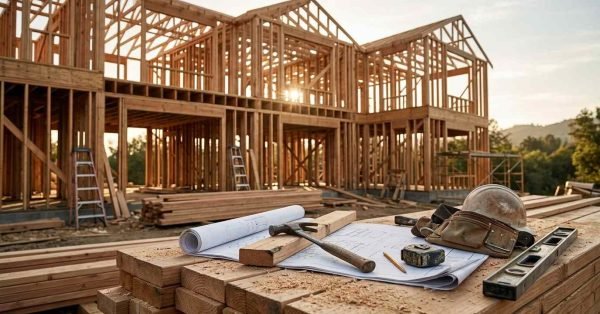
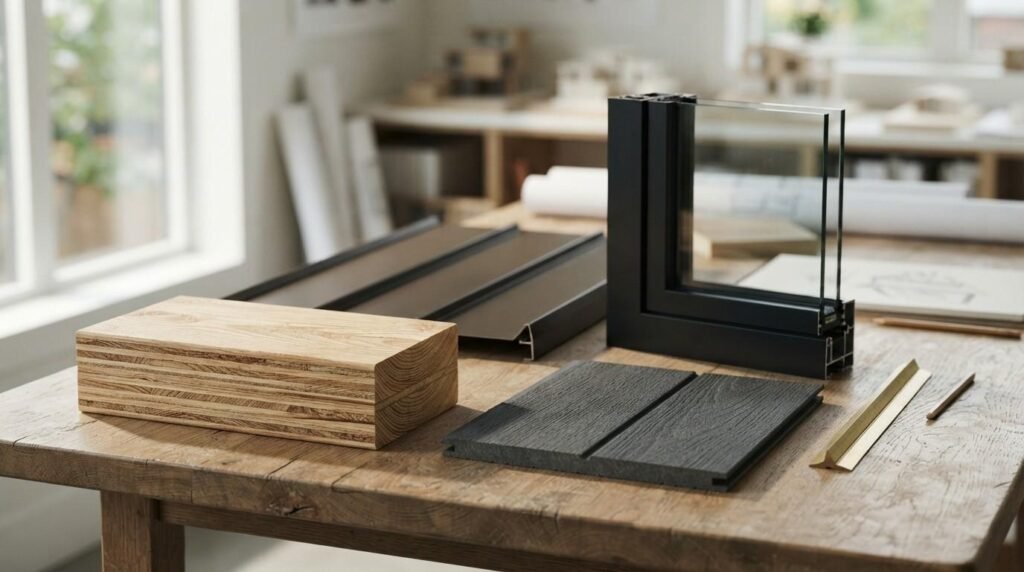
I’ve walked through hundreds of custom home builds, and the material choices you make in the first month shape everything about how the house performs for the next 30 years. Foundation type, framing method, siding, roofing, and interior finishes all carry different price points, maintenance demands, and lifespans.
Picking the wrong roofing material in a hail-prone region or the wrong foundation type on unstable soil creates problems that cost far more to fix later than they would have cost to prevent. Material decisions made early in a custom build lock in performance, comfort, and resale value for decades.
I cover how material choice shapes the whole build, the foundation and structural options available, exterior envelope materials like siding, roofing, and windows, the interior finishes that define daily comfort, and how all of it ties back to long-term maintenance and property value.
How Material Choice Shapes Your Custom Home Build
Every custom home starts with a set of decisions that ripple through the entire project. Material selection is not just an aesthetic choice; it determines structural performance, energy efficiency, and how much you’ll spend on upkeep over the life of the home.
I always tell clients to think about materials in three buckets: structural, exterior envelope, and interior finish. Each bucket carries its own trade-off between upfront cost and long-term value.
Foundation and Framing Material Considerations
The foundation and frame carry the entire structural load of the house. Getting this layer right matters more than any finish choice you’ll make later.
Soil type, water table depth, and regional building codes all narrow down which foundation systems actually work on a given lot. I always recommend a soil test before locking in a foundation material.
Climate and Site Conditions That Affect Material Selection
Climate drives material selection more than most homeowners expect going in. Humid coastal regions punish untreated wood and standard steel fasteners, while freeze-thaw cycles stress concrete and masonry differently than a mild climate does.
The National Institute of Standards and Technology found that building material performance varies significantly by climate zone, which is why regional building codes specify different material standards across the country. I factor climate zone into every material recommendation I make.
Foundation Materials for Custom Homes
The foundation sits below grade and carries the full weight of the structure above it. Three systems dominate custom home construction today: poured concrete, concrete block, and insulated concrete forms.
Poured Concrete Foundations
Poured concrete is a foundation system built by pouring liquid concrete into forms on-site, and it creates a monolithic, high-strength base for the home. It remains the most common foundation choice across the country because it handles compressive loads and resists moisture intrusion when properly waterproofed.
I see poured concrete used on the vast majority of custom builds I’m involved with. It costs more upfront than block foundations but requires less long-term maintenance.
Concrete Block and Insulated Concrete Forms
Concrete block foundations stack individual masonry units and fill the cores with mortar or grout for strength. Insulated concrete forms, often called ICFs, sandwich a poured concrete core between two layers of rigid foam insulation, building energy efficiency directly into the foundation wall.
ICFs cost more than standard block but cut heating and cooling loss through the foundation significantly. I recommend ICFs on any build where energy performance sits high on the client’s priority list.
Framing Materials: Wood, Steel, and Structural Alternatives
Framing is the skeleton of the house, and the material you choose here affects everything built on top of it. Wood framing still dominates residential construction, but steel and engineered lumber have carved out real market share.
Traditional Wood Framing
Wood framing uses dimensional lumber, typically 2×4 or 2×6 studs, to build the structural skeleton of a home. It stays popular because it’s affordable, widely available, and easy for framing crews to work with on-site without specialized equipment.
Wood does carry moisture and pest vulnerability that other materials avoid entirely. I always pair wood framing with proper vapor barriers and pest control planning from day one.
Steel Framing and Engineered Lumber
Steel framing swaps dimensional lumber for cold-formed steel studs, and it resists fire, pests, and warping in ways wood simply cannot match. Engineered lumber products, like laminated veneer lumber and I-joists, use layered wood fibers bonded under pressure to create straighter, more consistent structural members than raw dimensional lumber.
Steel costs more and requires specialized labor most framing crews don’t have in-house. I steer clients toward engineered lumber more often than full steel framing because it balances performance with cost more effectively for most residential builds.
Exterior Siding Materials for Durability and Curb Appeal
Siding is the first thing anyone notices about a custom home, and it’s also the material layer taking the most direct weather exposure year-round. The right siding choice balances upfront cost, maintenance demands, and how long it holds up before needing replacement.
Fiber Cement and Vinyl Siding
Fiber cement siding blends cement, sand, and cellulose fibers into a dense board that resists fire, rot, and pests better than most alternatives. Vinyl siding costs less and requires almost no maintenance beyond occasional washing, which is why it remains the most common siding material on new construction nationwide.
Fiber cement runs heavier and pricier than vinyl but lasts considerably longer and holds paint better. I recommend fiber cement in wildfire-prone regions specifically because of its fire resistance.
Natural Wood, Brick, and Stone Exteriors
Natural wood siding delivers a warmth and texture that manufactured materials struggle to replicate, though it demands regular refinishing to fight moisture and pests. Brick and stone exteriors carry higher upfront costs but essentially eliminate the ongoing maintenance cycle that wood siding requires.
Brick and stone also add thermal mass that helps regulate indoor temperature swings. I tell clients that these materials cost more today but often cost less over a 20-year ownership window once you factor in avoided maintenance.
Roofing Materials That Protect Your Custom Home
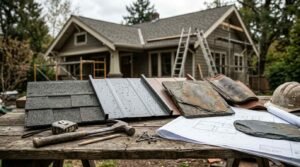
The roof takes more weather abuse than any other part of the house, and material choice here directly affects how often you’re calling a roofer back out. Asphalt shingles, metal roofing, and premium materials like slate or tile all sit at different points on the cost-versus-lifespan curve.
Asphalt Shingles vs Metal Roofing
Asphalt shingles are the most common residential roofing material in the country because they cost less upfront and install faster than nearly any alternative. Metal roofing costs two to three times more initially but typically lasts 40 to 70 years against a 15 to 30-yearifespan for asphalt.
The National Roofing Contractors Association notes that material lifespan varies significantly based on climate exposure and installation quality, which affects the real-world value comparison between these two systems. I walk every client through both the sticker price and the total cost of ownership before they decide.
Premium Roofing Options for Longevity
Slate roofing splits natural stone into thin, durable tiles that can last over a century with proper installation. Clay and concrete tile roofing offer similar longevity and perform especially well in hot, dry climates where they reflect heat effectively.
These premium materials add significant structural load, so the framing underneath needs engineering to match. I only recommend premium roofing after confirming the structure can actually support the added weight.
Window and Door Materials for Energy Efficiency
Windows and doors are the weak points in a home’s thermal envelope, and material choice here has an outsized effect on energy bills. Frame material determines insulation value, maintenance needs, and how well the unit holds up over decades of opening and closing.
Vinyl, Wood, and Fiberglass Window Frames
Vinyl window frames dominate new construction because they resist moisture, need no painting, and cost less than wood or fiberglass alternatives. Wood frames offer superior insulation and classic aesthetics but demand regular maintenance to prevent rot and warping.
Fiberglass frames split the difference, matching vinyl’s low maintenance with strength closer to wood. I recommend fiberglass on any custom build where the budget allows for it.
Entry Door Material Comparison
Steel entry doors deliver the best security and fire resistance at the lowest price point among common door materials. Fiberglass doors mimic the look of real wood grain while resisting the warping and cracking that solid wood doors develop over time.
Solid wood doors still deliver the richest look and feel, but they need refinishing every few years to stay weather-tight. I match door material to the entry’s sun and weather exposure more than to style preference alone.
Interior Flooring Materials for Custom Homes

Flooring covers more square footage than any other interior material, which makes it one of the highest-impact decisions in the whole build. Durability, comfort, and maintenance all shift dramatically depending on which flooring category you pick per room.
Hardwood, Engineered Wood, and Laminate
Solid hardwood flooring is milled from a single piece of timber and can be sanded and refinished multiple times over its life. Engineered wood layers a thin hardwood veneer over plywood, giving it better moisture resistance while keeping much of hardwood’s look.
Laminate flooring uses a photographic layer under a protective coating to mimic wood or stone at a fraction of the cost. I recommend engineered wood over solid hardwood in basements and other moisture-prone areas specifically because of its stability.
Tile, Stone, and Luxury Vinyl Plank
Ceramic and porcelain tile resist water completely, making them the standard choice for bathrooms, kitchens, and entryways. Natural stone tile adds unmatched texture and uniqueness but costs more and needs periodic sealing to prevent staining.
Luxury vinyl plank has grown fast because it’s fully waterproof, comfortable underfoot, and installs faster than tile. I point budget-conscious clients toward luxury vinyl plank in high-moisture rooms when the tile budget isn’t there.
Drywall, Ceiling, and Interior Wall Materials
Interior walls and ceilings shape the acoustic feel and moisture resilience of every room in the home. Standard drywall works fine in most spaces, but wet areas and specialty rooms need different material specs entirely.
Standard Drywall vs Moisture-Resistant Options
Standard drywall is a gypsum core wrapped in paper facing, and it works well in dry, low-humidity rooms throughout the home. Moisture-resistant drywall, often called green board, adds a water-repellent coating that stands up to bathroom and laundry room humidity far better.
Cement board goes a step further for direct-wet areas like shower surrounds, since it doesn’t break down when it stays wet. I always spec moisture-resistant materials for any room with a shower, tub, or high steam exposure.
Ceiling Material Choices for Different Rooms
Standard flat drywall ceilings work for the vast majority of rooms and keep costs predictable. Coffered and tray ceilings add architectural interest to primary living spaces using additional framing and drywall layers.
Moisture-resistant ceiling board matters just as much as wall material in bathrooms and laundry rooms. I treat ceiling material selection with the same moisture logic I apply to walls in wet-area rooms.
Cabinetry, Countertop, and Carpentry Material Options
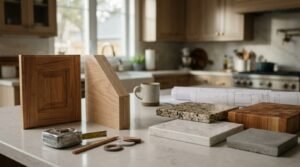
Cabinetry and countertops define the character of kitchens and bathrooms more than almost any other material choice in the home. These finishes also carry some of the widest price ranges of any category in a custom build.
Solid Wood vs Engineered Cabinetry
Solid wood cabinetry is built from hardwood lumber and holds up to decades of daily use when properly maintained. Engineered cabinetry uses plywood or medium-density fiberboard with a wood veneer or laminate finish, cutting cost significantly while still delivering a clean look.
Plywood-based cabinet boxes hold screws and hardware better than MDF over time. I recommend plywood boxes with a solid wood or veneer front for the best balance of cost and durability.
Countertop Material Comparison
Granite and quartz dominate custom home countertops because both resist heat, scratching, and staining under normal kitchen use. Quartz is engineered from crushed stone and resin, giving it more consistent patterning and zero sealing requirements compared to natural granite.
Butcher block and concrete countertops serve specific aesthetic goals but need more regular maintenance to stay in good shape. I steer most clients toward quartz for primary kitchen counters because it needs the least long-term upkeep.
Materials That Affect Long-Term Maintenance and Property Value
The material choices throughout a custom build don’t just affect how the house looks on move-in day. They determine how much time and money you spend maintaining the property for as long as you own it, and how much value the home retains at resale.
Low-Maintenance Material Choices
Fiber cement siding, metal roofing, and quartz countertops all share one trait: they demand very little upkeep once installed correctly. Engineered wood and luxury vinyl plank flooring extend that same low-maintenance logic into high-traffic interior spaces.
I build most of my material recommendations around this low-maintenance principle for clients who don’t want a home that becomes a part-time job. The upfront premium on these materials pays back in avoided repair calls.
Material Durability and Resale Value Impact
The National Association of Realtors has reported that kitchen and exterior material upgrades consistently rank among the highest-returning renovation categories at resale. Durable, well-regarded materials like natural stone, quartz, and fiber cement tend to hold buyer appeal even a decade after installation.
Cheaper materials that show wear early can actually hurt resale value more than their upfront savings justify. I always frame material decisions as a resale conversation, not just a move-in day conversation, with every custom build client.
Conclusion
Material choice shapes a custom home’s performance, comfort, and value from the foundation up through the finishes. Foundation type, framing method, exterior envelope, and interior finishes each carry distinct cost, maintenance, and lifespan tradeoffs worth weighing carefully.
The right combination depends on climate, budget, and how long you plan to own the property. Smart material decisions made during planning pay off for decades after move-in.
We help homeowners navigate these choices every day. Reach out to Mr. Local Services and let our trusted professionals guide your next build or renovation with quality workmanship you can count on.
Frequently Asked Questions
What is the most durable material for building a custom home?
Fiber cement siding, metal roofing, and poured concrete foundations rank among the most durable material choices available. I recommend this combination for clients who prioritize longevity over upfront cost.
How much more does steel framing cost than wood framing?
Steel framing typically costs 15% to 20% more than comparable wood framing on a residential build. The premium buys better fire, pest, and warping resistance over the life of the home.
Is quartz or granite better for custom home countertops?
Quartz is an engineered stone surface that needs no sealing and resists staining better than natural granite. I steer most clients toward quartz specifically because it demands less ongoing maintenance.
What foundation type works best for a custom home?
Poured concrete foundations work best for the majority of custom home builds due to their strength and moisture resistance. Insulated concrete forms are a strong alternative when energy efficiency is a top priority.
How long does metal roofing last compared to asphalt shingles?
Metal roofing typically lasts 40 to 70 years, while asphalt shingles last 15 to 30 years under similar conditions. The higher upfront cost of metal often pays off over a long ownership timeline.
Which flooring material holds up best in high-moisture rooms?
Luxury vinyl plank and porcelain tile both perform well in bathrooms, kitchens, and other high-moisture rooms. I recommend engineered wood over solid hardwood in these areas for the same moisture-resistance reason.
Does material choice really affect resale value?
Yes, durable and well-regarded materials like quartz, natural stone, and fiber cement siding tend to hold buyer appeal for years after installation. Cheaper materials that wear quickly can reduce resale value more than they saved upfront.
What’s the difference between engineered lumber and traditional wood framing?
Engineered lumber bonds layered wood fibers under pressure to create straighter, more consistent structural members than dimensional lumber. Traditional wood framing costs less but carries more natural variation and moisture vulnerability.
Should I choose vinyl or fiberglass windows for a custom home?
Fiberglass windows cost more but offer greater strength and better long-term performance than vinyl. I recommend fiberglass whenever the project budget supports it, especially in extreme climates.