Homes in Climate Zone 5 face some of the most demanding energy conditions in the country. Heating seasons stretch from October through April, winter temperatures regularly drop below 0°F in many Midwest and Northeast locations, and summer humidity adds meaningful cooling loads on top of already high annual energy costs. A well-planned energy strategy built around Zone 5 requirements can reduce heating and cooling expenses by 20 to 30 percent while improving year-round comfort.
Without a zone-specific approach, homeowners and property managers often invest in upgrades that underperform because they were designed for milder climates. This guide addresses that gap directly.
Here you will find the insulation standards, HVAC selection criteria, window and door performance benchmarks, water heating strategies, and seasonal maintenance steps that apply specifically to Zone 5 properties across the Midwest and Northeast.
What Is Climate Zone 5 and Why It Matters for Midwest and Northeast Homes
Climate Zone 5 is a building energy classification defined by the U.S. Department of Energy that covers regions with between 5,400 and 7,200 heating degree days annually. In practical terms, this zone includes most of Illinois, Indiana, Ohio, Pennsylvania, New York, Connecticut, Massachusetts, and neighboring states. It represents a cold climate with a meaningful but secondary cooling season.
The classification matters because building codes, insulation requirements, HVAC efficiency standards, and window performance ratings are all calibrated to climate zone. A product or system rated for Zone 3 or Zone 4 will be undersized for Zone 5 conditions. Homeowners who ignore zone classification when making energy upgrades frequently find that their improvements deliver far less savings than expected.
Temperature Extremes and Heating Degree Days in Zone 5
Zone 5 locations typically experience design temperatures between -10°F and 10°F, meaning heating systems must be sized to maintain interior comfort at those extremes. Heating degree days — the standard measure of how much energy a building needs to stay warm — average between 5,400 and 7,200 annually across the zone. Cities like Chicago, Cleveland, and Boston sit firmly within this range, while northern portions of Zone 5 approach the upper boundary.
How Zone 5 Conditions Drive Energy Loss
The combination of long heating seasons and significant temperature differentials creates persistent pressure on a building’s thermal envelope. Heat moves from warm to cold through walls, ceilings, floors, windows, and doors continuously throughout winter. Air infiltration — uncontrolled air movement through gaps and cracks — accounts for 25 to 40 percent of heating energy loss in typical existing homes, according to the U.S. Department of Energy’s Building Technologies Office. Addressing both conductive heat loss and air infiltration is the foundation of any effective Zone 5 energy strategy.
Understanding your climate zone is the first step toward choosing the right equipment — our HVAC service options covers every heating and cooling solution available for Zone 5 homes, from high-efficiency furnaces to cold-climate heat pumps.
Insulation Standards and Air Sealing Requirements for Zone 5
The 2021 International Energy Conservation Code sets minimum insulation requirements for Zone 5 that are meaningfully higher than those for warmer zones. Meeting or exceeding these minimums is the single most cost-effective energy investment available to Zone 5 homeowners.
Recommended R-Values for Walls, Attics, and Floors
The DOE recommends the following R-values for Zone 5 existing homes:
- Attic: R-49 to R-60
- Cathedral ceiling: R-38 to R-49
- Above-grade walls: R-13 to R-15 continuous or R-20 cavity
- Floor over unconditioned space: R-25 to R-30
- Basement walls: R-15 continuous or R-19 cavity
Attic insulation delivers the fastest payback in Zone 5 because heat rises and attic bypasses are common in older construction. If your attic currently has less than R-30, upgrading to R-49 or higher is typically the first recommendation from any qualified energy auditor.
A complete guide to attic insulation installation for cold climates is available at /attic-insulation-installation
Air Sealing Priority Areas in Cold-Climate Homes
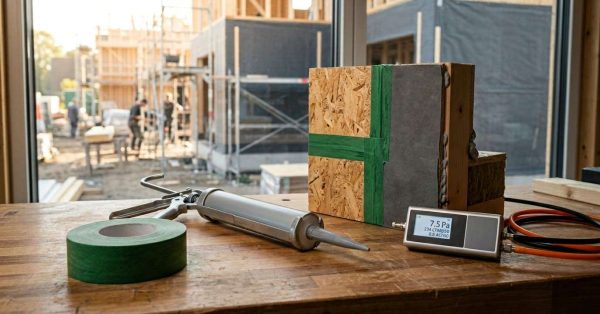
Air sealing should always precede or accompany insulation upgrades. The highest-priority locations in Zone 5 homes include attic bypasses around plumbing and electrical penetrations, rim joists at the foundation, recessed lighting fixtures, and the junction between exterior walls and attic floors. Sealing these areas before adding insulation prevents warm air from bypassing the insulation layer entirely.
Detailed air sealing methods and materials for existing homes are covered at /air-sealing-existing-homes
Proper insulation performance depends on airtight installation throughout your home’s envelope — if your ceilings or interior walls need attention alongside insulation upgrades, our drywall and ceiling work explains how these services support a tighter, better-insulated home.
HVAC System Selection and Efficiency Ratings for Zone 5 Climates
Heating dominates the energy budget in Zone 5, making system selection and efficiency ratings more consequential here than in any warmer zone. The right system depends on fuel availability, existing infrastructure, home size, and budget — but efficiency minimums for Zone 5 are non-negotiable.
Heating System Options: Furnaces, Heat Pumps, and Boilers
Gas furnaces remain the most common heating choice in Zone 5. The ENERGY STAR program requires a minimum AFUE of 95 percent for Zone 5 gas furnaces — meaning 95 cents of every dollar spent on gas becomes usable heat. Standard 80 percent AFUE furnaces are legal in Zone 5 but leave significant efficiency gains on the table.
Cold-climate heat pumps have become a viable Zone 5 option as technology has improved. Modern variable-speed heat pumps from manufacturers such as Mitsubishi, Bosch, and Daikin maintain rated heating capacity down to -13°F, making them suitable for most Zone 5 locations. The ENERGY STAR Cold Climate Heat Pump specification provides the performance benchmarks relevant to Zone 5 selection.
Hot water boilers with hydronic distribution remain common in older Northeast construction and can achieve efficiencies above 90 percent AFUE with condensing technology.
Cooling Load Considerations for Midwest and Northeast Summers
While heating dominates Zone 5 energy use, summer cooling loads are real and growing. SEER2 ratings of 15 or higher are recommended for central air conditioning in Zone 5, and proper Manual J load calculations are essential to avoid oversized equipment that short-cycles and fails to control humidity effectively.
Selecting the right equipment for Zone 5 requires matching system capacity to your home’s actual heat load — our full guide to heating and cooling systems walks through every option, efficiency rating, and sizing consideration relevant to Midwest and Northeast climates.
Window and Door Performance Standards in Zone 5
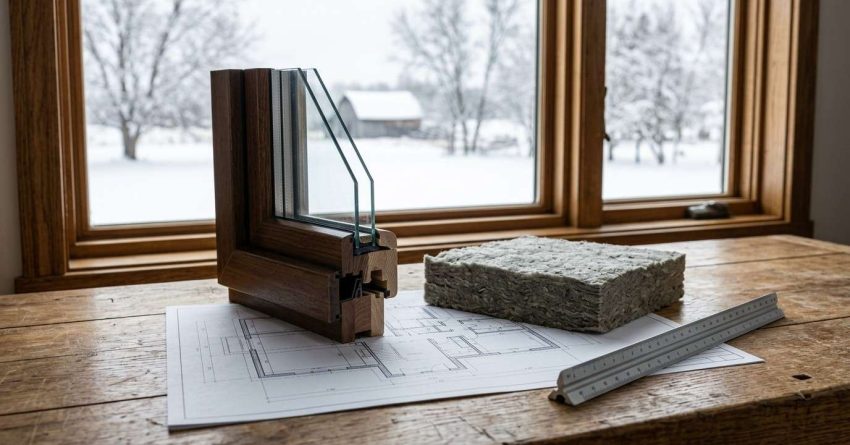
Windows and doors are the weakest thermal links in most Zone 5 homes. Single-pane windows have an effective R-value of approximately 1, while a properly specified triple-pane window can reach R-7 or higher. The performance gap is substantial and directly measurable in heating costs.
U-Factor and SHGC Requirements for Cold Climates
The ENERGY STAR program requires a maximum U-factor of 0.27 for windows in Zone 5, which corresponds to a double-pane low-e unit with an argon or krypton gas fill. Solar Heat Gain Coefficient (SHGC) requirements are less restrictive in Zone 5 than in warmer zones — a higher SHGC on south-facing windows is actually beneficial in cold climates because it allows passive solar gain during winter months.
Weatherstripping and Threshold Sealing for Energy Retention
Even high-performance windows and doors lose much of their thermal benefit if the surrounding installation is poorly sealed. Compression weatherstripping on door frames, foam backer rod in window rough openings, and adjustable door thresholds are low-cost measures that meaningfully reduce air infiltration at these high-priority locations.
Upgrading to Zone 5-rated glazing is one of the highest-impact improvements a homeowner can make — our window replacement services details the performance specifications, installation process, and energy savings homeowners in cold climates can expect.
Insulated doors with proper threshold seals are equally critical to energy retention in Zone 5 — our exterior door upgrades covers insulated door options, weatherstripping standards, and installation timelines for residential and commercial properties.
Water Heating Efficiency Strategies for Zone 5 Properties
Water heating accounts for approximately 18 percent of home energy use nationally, according to the U.S. Energy Information Administration. In Zone 5, where incoming cold water temperatures are significantly lower than in warmer climates, water heaters work harder and consume more energy to reach the same delivery temperature.
Heat pump water heaters are the most efficient option available for Zone 5 homes with conditioned or semi-conditioned mechanical spaces. They operate at efficiencies two to three times higher than standard electric resistance units and qualify for the federal residential clean energy tax credit under current IRS guidelines. Tankless gas water heaters are a strong alternative where natural gas is available, eliminating standby losses entirely.
Pipe insulation on hot water distribution lines — particularly in unconditioned basements and crawlspaces — reduces heat loss between the water heater and fixtures and is one of the lowest-cost efficiency measures available.
A detailed comparison of water heater types and efficiency ratings for Zone 5 properties is available at /water-heater-efficiency-comparison
Seasonal Maintenance Checklist for Zone 5 Energy Performance
Zone 5’s distinct seasons create a natural rhythm for energy maintenance. Addressing the right tasks at the right time of year prevents energy waste, extends equipment life, and avoids the emergency repair costs that follow deferred maintenance.
Fall and Winter Preparation Tasks
- Schedule HVAC system inspection and filter replacement before the first heating cycle
- Test and calibrate programmable or smart thermostat settings for heating season
- Inspect and seal attic bypasses and rim joists before cold weather arrives
- Check weatherstripping on all exterior doors and replace any compressed or cracked material
- Drain and insulate exterior hose bibs and irrigation lines
- Inspect chimney and flue for gas or wood-burning appliances
- Verify that dryer vents are clear — blocked vents force the appliance to run longer and consume more energy
Spring and Summer Energy Tune-Up Steps
- Replace HVAC filters and schedule cooling system inspection before the first hot week
- Inspect window and door seals for winter damage and re-caulk as needed
- Check attic ventilation to prevent summer heat buildup that increases cooling loads
- Test ceiling fans and reverse direction for summer operation
- Inspect and clean heat pump outdoor units after winter
Many of the tasks on a Zone 5 seasonal checklist — caulking, weatherstripping, vent sealing, and minor repairs — fall within the scope of a single service visit, and our seasonal home maintenance explains how a handyman can handle multiple energy-related tasks efficiently.
Energy Audits and Incentive Programs Available in Zone 5 States
A professional home energy audit is the most reliable way to identify where a Zone 5 property is losing energy and which upgrades will deliver the greatest return. Auditors use blower door tests to measure air infiltration rates, infrared cameras to locate insulation gaps and thermal bridges, and combustion safety testing to verify that heating appliances are operating safely.
Zone 5 states offer some of the most robust incentive programs in the country. The federal Inflation Reduction Act provides tax credits of up to 30 percent for qualifying insulation, heat pumps, windows, and water heaters through 2032. State-level programs in Illinois, Ohio, New York, Massachusetts, and Pennsylvania supplement federal credits with utility rebates and low-interest financing for weatherization projects.
A full breakdown of weatherization assistance programs by state is available at /weatherization-assistance-programs
When an energy audit reveals deeper structural or system deficiencies, a coordinated remodel is often the most cost-effective path forward — our home energy remodeling outlines how renovation projects can be scoped and sequenced to maximize energy performance and available incentive programs.
Conclusion
Climate Zone 5 demands a systematic approach to energy management — one that addresses insulation, air sealing, HVAC selection, window performance, and seasonal maintenance as an integrated strategy rather than isolated upgrades.
Homeowners and property managers who align their investments with Zone 5 requirements consistently achieve lower energy costs, more comfortable interiors, and higher property values than those who rely on generic recommendations.
Mr. Local Services connects you with skilled professionals who understand Zone 5 conditions and can assess, plan, and execute every improvement your property needs — contact us today to get started.
Frequently Asked Questions
What R-value insulation do I need for a Zone 5 attic?
The U.S. Department of Energy recommends R-49 to R-60 for attics in Climate Zone 5. Most existing homes in the Midwest and Northeast fall well below this target, making attic insulation one of the highest-return upgrades available.
Is a heat pump effective in Climate Zone 5 winters?
Modern cold-climate heat pumps maintain full rated heating capacity down to -13°F, making them suitable for most Zone 5 locations. Look for units that meet the ENERGY STAR Cold Climate Heat Pump specification for reliable performance in Midwest and Northeast winters.
What AFUE rating should a gas furnace have in Zone 5?
ENERGY STAR requires a minimum AFUE of 95 percent for gas furnaces in Climate Zone 5. A 95 percent AFUE furnace converts 95 cents of every dollar of gas into usable heat, compared to 80 cents for a standard unit.
How much does air infiltration affect heating costs in Zone 5?
Air infiltration accounts for 25 to 40 percent of heating energy loss in typical existing homes, according to the U.S. Department of Energy. Sealing attic bypasses, rim joists, and penetrations before adding insulation is essential to achieving full insulation performance.
What window U-factor is required for Zone 5?
ENERGY STAR requires a maximum U-factor of 0.27 for windows in Climate Zone 5. This corresponds to a double-pane low-e unit with argon or krypton gas fill. A lower U-factor indicates better insulating performance.
What federal incentives are available for Zone 5 energy upgrades?
The Inflation Reduction Act provides federal tax credits of up to 30 percent for qualifying insulation, heat pumps, windows, and water heaters through 2032. Many Zone 5 states also offer utility rebates and low-interest financing programs that can be combined with federal credits.
When should I schedule a home energy audit in Zone 5?
Late summer or early fall is the ideal time for a Zone 5 energy audit. Scheduling before the heating season allows time to complete insulation, air sealing, and HVAC improvements before cold weather arrives and energy costs peak.