A custom home is a one-of-a-kind house designed and built specifically for the buyer on their chosen lot, with personalized floor plans, materials, and finishes guided by the homeowner.
For most families, building a custom home is the largest investment they will ever make, which is why understanding the process and cost upfront matters so much.
This guide breaks down what defines a custom home, how the build unfolds stage by stage, what to budget, and how to choose the right builder.
What Is a Custom Home?
A custom home is a single-family residence built from a unique set of plans created for one specific homeowner on one specific piece of land. Unlike pre-designed houses sold in subdivisions, a custom home reflects the buyer’s exact lifestyle, layout preferences, material choices, and long-term goals. The homeowner participates in nearly every decision, from foundation type and ceiling height to window placement and finish quality.
Definition and Key Characteristics
Three traits separate a custom home from every other type of build. First, the floor plan is designed for the homeowner rather than selected from a catalog. Second, the homeowner owns or controls the land before design begins. Third, every major material, fixture, and finish is chosen individually rather than bundled into a package. Custom home building sits at the most ambitious end of the renovation spectrum, and our full remodeling hub explains how custom builds compare to renovations, additions, and full-home overhauls.
Who Builds a Custom Home?
A custom build typically involves four core professionals: an architect or residential designer, a custom home builder or general contractor, specialized subcontractors for trades like plumbing and electrical, and an interior designer or selection coordinator. Some buyers also work with a structural engineer and a landscape architect depending on lot conditions.
Custom Home vs. Production Home vs. Semi-Custom Home
Buyers often confuse these three home types, but the differences shape budget, timeline, and the level of personal control over the final result.
Production Homes
Production homes are built in large developments from a fixed library of floor plans, with limited choices for colors, countertops, and minor upgrades. They cost the least per square foot and finish the fastest, but personalization is minimal.
Semi-Custom Homes
Semi-custom homes start with an existing builder floor plan that buyers can modify within preset boundaries. Buyers may move a wall, expand a room, or upgrade finishes from a curated package. This middle path balances cost savings with meaningful personalization.
Fully Custom Homes
A fully custom home begins with a blank sheet of paper. Every wall, window, and outlet is placed for the specific homeowner, and the builder works only on that one home rather than dozens of identical units. This route delivers the highest level of control along with the highest price per square foot and longest timeline.
The Custom Home Building Process Step by Step
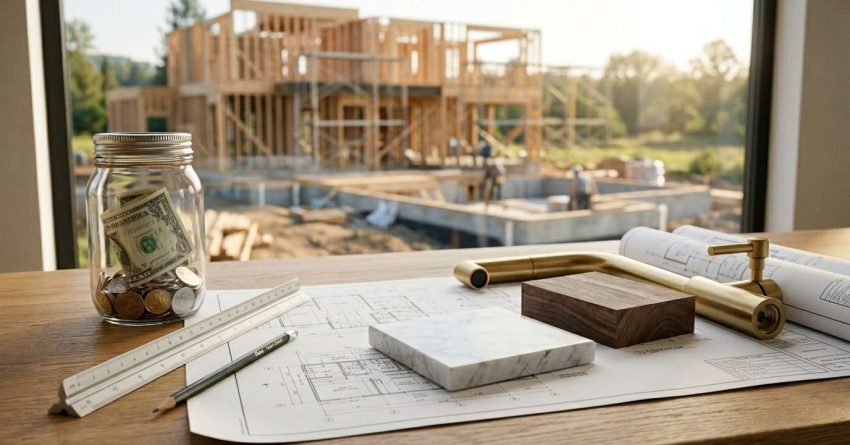
A typical custom home moves through five clear phases over twelve to eighteen months. Each phase builds on the last, and skipping steps almost always creates cost overruns later.
Planning and Land Selection
The process begins with budget setting, lot acquisition, and a written program describing how the family lives. Soil tests, surveys, and utility availability checks happen during this phase so the design fits real site conditions.
Design and Architectural Drawings
The architect or designer creates schematic floor plans, refines them through homeowner feedback, then produces construction documents that contractors can bid from. This phase usually takes two to four months. The design phase translates your vision into buildable plans, and our custom home design services walks through site analysis, floor planning, and 3D modeling so you know exactly what to expect.
Permits, Approvals, and Pre-Construction
Plans go through municipal review, where officials check zoning, energy codes, and structural details. Builders finalize subcontractor bids, lock material orders, and prepare the construction schedule. Most jurisdictions require multiple approvals before breaking ground, and our local building permits guide explains zoning checks, plan review timelines, and inspection schedules for residential construction.
Construction and Inspections
Site work, foundation, framing, mechanical systems, insulation, drywall, and finishes happen in roughly that order across six to twelve months. Independent inspections occur at foundation, framing, rough mechanical, and final stages.
Final Walkthrough and Move-In
The builder completes a punch list, performs cleaning, and turns over keys after a homeowner walkthrough. Most reputable builders also provide a one-year workmanship warranty along with manufacturer warranties on appliances and systems.
How Much Does It Cost to Build a Custom Home?
Custom home costs vary widely by region, size, and finish level, but most homeowners in the United States spend between $200 and $500 per square foot for the build itself, with land and soft costs adding significantly to the total.
Average Cost Per Square Foot
A modest custom home in a lower-cost market may finish around $200 to $250 per square foot. A mid-range custom build with quality finishes typically runs $300 to $400 per square foot. Luxury custom homes with premium materials, complex rooflines, and high-end systems can exceed $600 per square foot.
Hard Costs vs. Soft Costs
Hard costs cover the physical building: materials, labor, and site work. Soft costs cover everything else: architectural fees, engineering, permits, financing fees, surveys, and impact fees. Soft costs commonly add fifteen to twenty-five percent on top of hard construction costs. Financing a custom build differs from a standard mortgage, and our construction loan options guide breaks down draw schedules, interest-only periods, and conversion to permanent financing.
Key Factors That Influence Custom Home Cost
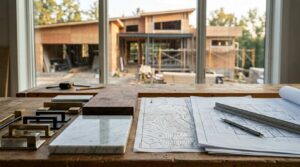
Two homes with identical square footage can cost dramatically different amounts. Understanding what drives the spread helps homeowners set realistic budgets before signing any contract.
Location and Land
Land prices, labor rates, and material costs differ sharply by region. Lots with steep slopes, poor soil, or limited utility access add tens of thousands in site preparation before framing even begins.
Size, Layout, and Materials
Larger homes cost more in absolute dollars, but complex shapes raise the cost per square foot even faster than total area does. Multiple rooflines, vaulted ceilings, and curved walls all add labor hours. Buyers seeking lower entry costs often weigh smaller footprints, and our tiny home alternatives outlines square-footage ranges, build costs, and lifestyle trade-offs versus full custom builds.
Customization and Finishes
Cabinets, countertops, flooring, plumbing fixtures, windows, and appliances each span a wide price range. A kitchen with stock cabinets and laminate counters may cost $15,000, while the same kitchen with custom cabinetry and stone counters can exceed $80,000. These selections, multiplied across every room, explain most of the budget variance between projects.
How to Choose a Reliable Custom Home Builder
The builder you hire shapes quality, schedule, and final cost more than any other decision in the entire project. Look for a licensed and insured contractor with at least five completed custom homes in your area, verifiable references from recent clients, transparent contracts with detailed allowances, and a written warranty. Ask to tour a finished project and a job currently under construction so you can compare polish to process. Selecting the right team is the single biggest decision in any custom build, and our vetted local contractors directory shows licensing status, project history, and verified homeowner reviews.
If a full custom build feels out of reach, expanding your current property is often the next-best path, and our home addition services covers room additions, second stories, and ADU projects.
Conclusion
A custom home is a fully personalized residence built on the buyer’s land from one-of-a-kind plans, with cost driven by land, size, finishes, and builder selection rather than square footage alone.
Understanding the five-phase process, the gap between hard and soft costs, and the factors that swing budgets helps homeowners make confident decisions from planning through move-in day.
We help homeowners and property managers connect with trusted custom home builders and remodeling professionals through Mr. Local Services so your build stays on time, on budget, and built right.
Frequently Asked Questions
How long does it take to build a custom home?
Most custom homes take twelve to eighteen months from breaking ground to move-in, plus an additional three to six months for design and permitting. Complex projects, weather delays, or material shortages can extend the timeline further.
Is it cheaper to build a custom home or buy an existing one?
Buying an existing home is usually cheaper upfront, while building custom delivers exactly what you want. Custom builds often cost ten to twenty percent more per square foot than comparable resale homes in the same market.
What is the minimum budget for a custom home?
Most reputable custom builders set minimum project budgets between $400,000 and $600,000 for the build itself, excluding land. Below that range, semi-custom or production homes typically offer better value.
Do I need to own the land before designing a custom home?
Yes. Site conditions, lot orientation, setbacks, and utility access all shape the design. Buying or controlling the land before architectural drawings begin prevents costly redesigns later.
Can I get a regular mortgage for a custom home build?
No. Custom builds require a construction loan that releases funds in draws as work progresses, then converts to a standard mortgage at completion. Lenders review plans, builder credentials, and the appraised value before approving.
What is included in custom home soft costs?
Soft costs include architectural design fees, structural engineering, surveys, soil tests, permits, impact fees, financing fees, and insurance during construction. These add roughly fifteen to twenty-five percent on top of physical construction costs.
How do I know if a custom home builder is trustworthy?
Verify state licensing and insurance, review at least five recent completed projects, contact past clients about communication and budget accuracy, read the contract carefully, and confirm the warranty terms in writing before signing.