Finding the right custom home builder starts with knowing exactly what to look for — and most homeowners who struggle with the process skip the vetting steps that matter most. A custom home is one of the largest financial commitments a person makes, and the builder you choose determines the quality, timeline, and total cost of that investment. This guide walks through every step of the process, from defining your project scope to reviewing contracts, so you can hire with confidence and avoid costly mistakes.
Choosing the wrong builder can mean delays, budget overruns, and structural problems that take years to resolve.
This guide covers how to research, evaluate, interview, and select a custom home builder — giving you a clear, practical path from first search to signed contract.
What Is a Custom Home Builder?
A custom home builder is a licensed construction professional who designs and builds a home from the ground up based on a client’s specific requirements, preferences, and site conditions. Unlike production builders who construct homes from a fixed set of floor plans in planned developments, custom builders work on individual lots with fully personalized designs.
Custom builders typically manage the entire construction process, including subcontractor coordination, permitting, inspections, and material procurement. They serve as the primary point of contact between the homeowner and every trade involved in the project — from foundation work to finish carpentry.
Understanding this distinction matters because it shapes how you evaluate candidates, what questions you ask, and what level of involvement you should expect throughout the build.
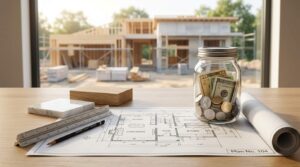
Step 1 — Define Your Project Scope and Budget
Before you contact a single builder, you need a clear picture of what you want to build and what you can afford to spend. Builders use your scope and budget to determine whether a project is feasible and to prepare accurate proposals.
Setting a Realistic Budget Range
Custom home construction costs in the USA vary significantly based on location, size, materials, and site conditions. According to the U.S. Census Bureau’s Survey of Construction, the average sales price of a new single-family home has risen steadily, with regional variation playing a major role in final costs. Most custom builds fall between $200 and $550 per square foot for construction alone, not including land, permits, or design fees.
Set a budget range — not a single number — and include a contingency of at least 10 to 15 percent for unexpected costs. Builders will take your project more seriously when you arrive with a defined range rather than an open-ended figure.
Before committing to a budget, it helps to understand the full scope of what a custom build involves — our remodeling services guide breaks down the most common structural and finish upgrades homeowners plan during new construction and renovation projects.
Identifying Your Must-Have Features
List the non-negotiable elements of your home — number of bedrooms and bathrooms, square footage, accessibility requirements, energy efficiency standards, and any architectural preferences. Separate these from your wish-list items so you can communicate priorities clearly to every builder you speak with.
This list becomes the foundation of every conversation you have during the selection process.
Step 2 — Research Custom Home Builders in Your Area
Once your scope is defined, the next step is building a list of qualified candidates. Start broad, then narrow based on credentials and fit.
Where to Search for Local Builders
The most reliable starting points for finding custom home builders in the USA include:
- The National Association of Home Builders (NAHB) directory at nahb.org, which lists members by location and specialty
- Your state contractor licensing board, which maintains searchable databases of licensed builders
- Local home shows and parade of homes events, where builders showcase completed projects
- Referrals from architects, real estate agents, and lenders who work with builders regularly
- Google Business profiles and review platforms such as Houzz and Angi, filtered by project type and location
Aim to identify at least five to seven candidates before narrowing your list. A wider initial pool gives you better comparison data and negotiating leverage.
For smaller pre-construction tasks or site preparation work that falls outside a builder’s scope, our handyman services overview covers the range of skilled trade work available to homeowners at every stage of a project.
How to Evaluate Builder Credentials
Before reaching out to any builder, verify the following:
- Active state contractor’s license in good standing
- General liability insurance and workers’ compensation coverage
- Membership in professional associations such as NAHB or local home builders associations
- A portfolio of completed custom homes — not just renovations or production builds
- No unresolved complaints with the Better Business Bureau or state licensing board
This initial screening eliminates unqualified candidates before you invest time in interviews.
Step 3 — Review Portfolios and Past Projects
A builder’s portfolio is the most direct evidence of their capabilities. Request to see completed projects that are similar in size, style, and complexity to your planned home.
Look for consistency in craftsmanship across multiple projects, not just a single showcase home. Pay attention to finish quality in areas that are easy to overlook — trim alignment, tile work, cabinetry installation, and paint application. These details reveal how a builder manages subcontractors and enforces quality standards throughout a project.
If possible, visit completed homes in person. Photos can be edited; a walk-through cannot. Ask the builder to arrange a visit to a recently finished project, and bring your must-have feature list to evaluate how well their work aligns with your expectations.
Step 4 — Check Licenses, Insurance, and References
Portfolio quality tells you what a builder can produce. Licenses, insurance, and references tell you whether they are safe and reliable to work with.
Verifying Licenses and Insurance
Every custom home builder operating in the USA must hold a valid contractor’s license issued by their state licensing board. License requirements vary by state, but most require proof of experience, passing a trade exam, and maintaining active insurance coverage.
Verify a builder’s license directly through your state’s contractor licensing database — do not rely on a copy provided by the builder. Confirm that the license is current, covers the correct scope of work, and has no disciplinary actions on record.
Request certificates of insurance for both general liability and workers’ compensation. Ask your attorney or insurance agent to review the coverage limits before you sign any agreement.
Custom home builders often subcontract finish carpentry work, so understanding what quality craftsmanship looks like is essential — our carpentry services explains the standards homeowners should expect from any licensed carpentry professional.
Asking the Right Reference Questions
Contact at least three references from each builder you are seriously considering. Ask each reference:
- Was the project completed on time and within budget?
- How did the builder handle unexpected problems or change orders?
- Was communication consistent and transparent throughout the build?
- Would you hire this builder again?
- Were there any issues after move-in, and how were they resolved?
References who hesitate or give vague answers are as informative as those who speak enthusiastically. Pay attention to what is not said.
Step 5 — Interview Multiple Builders Before Deciding
Never hire a custom home builder based on a portfolio and references alone. A formal interview reveals how a builder communicates, manages expectations, and handles the business side of construction.
Interview a minimum of three builders before making a decision. Treat each interview as a two-way evaluation — you are assessing them, and they are assessing whether your project is a good fit for their business.
Key Questions to Ask a Custom Home Builder
Bring a prepared list of questions to every interview. The most important ones include:
- How many custom homes do you build per year, and how many are currently in progress?
- Who will be my primary point of contact throughout the project?
- How do you handle change orders, and what is your process for pricing them?
- What is your standard payment schedule?
- How do you select and manage subcontractors?
- What warranty do you provide on your work?
- Can I visit an active job site to observe your team’s work?
Interior finish quality is one of the clearest indicators of a builder’s attention to detail, and reviewing how a builder handles drywall and ceiling work during your interview can reveal a great deal about their overall construction standards.
Step 6 — Compare Bids and Review Contracts Carefully
Once you have completed interviews and narrowed your list to two or three finalists, request detailed written bids from each. A thorough bid should itemize every major cost category — site preparation, foundation, framing, roofing, mechanical systems, insulation, drywall, flooring, cabinetry, fixtures, and finish work.
Avoid comparing bids based on total price alone. A lower bid may exclude line items that a higher bid includes. Ask each builder to clarify what is and is not covered, and request that all bids follow the same scope document so comparisons are accurate.
Material selections — including flooring installation options — are among the most significant cost variables in a custom home bid, and understanding what each line item covers helps homeowners compare proposals accurately.
Before signing any contract, have a construction attorney review it. The contract should specify the project scope, payment schedule, change order process, completion timeline, warranty terms, and dispute resolution procedures. Never sign a contract that lacks any of these elements.

Red Flags to Watch for When Hiring a Custom Home Builder
Knowing what to avoid is as important as knowing what to look for. The following warning signs indicate a builder who may not be qualified, reliable, or trustworthy:
- Requesting a large upfront deposit before any work begins (more than 10 to 15 percent is unusual)
- Inability or unwillingness to provide proof of license and insurance
- No physical business address or verifiable business history
- Pressure to sign quickly or skip the reference-checking process
- Vague or verbal-only agreements instead of written contracts
- Significantly lower bids than all other candidates without a clear explanation
- No portfolio of completed custom homes comparable to your project
One common area where unqualified builders cut corners is fenestration — reviewing window installation standards before signing any contract helps homeowners identify whether a builder’s proposed specifications meet quality and energy-efficiency benchmarks.
Trust your instincts. If a builder’s communication style, responsiveness, or professionalism raises concerns during the selection process, those issues will be amplified during construction.
How Long Does It Take to Build a Custom Home?
The timeline for building a custom home in the USA depends on the size and complexity of the project, site conditions, permit processing times, and material availability. Most custom homes take between 10 and 18 months from groundbreaking to move-in, though complex projects on challenging sites can extend to 24 months or longer.
The pre-construction phase — including design, permitting, and site preparation — typically adds three to six months before construction begins. Factor this into your overall timeline when planning financing, temporary housing, and move-in dates.
Roofing is one of the most schedule-sensitive phases of any custom build — our on roofing project timelines explains what factors affect installation duration and how weather, material availability, and crew size influence the overall construction schedule.
Discuss timeline expectations explicitly with every builder you interview. Ask how they handle weather delays, material shortages, and subcontractor scheduling conflicts. A builder who cannot give you a clear, realistic timeline during the interview is unlikely to manage one effectively during construction.
Conclusion
Finding a custom home builder requires a structured approach — defining your scope, researching candidates, verifying credentials, and reviewing contracts before committing to anyone. Each step in this process protects your investment and increases the likelihood of a successful build.
The builders who earn trust do so through transparency, consistent communication, and a documented track record of completed projects that match your expectations.
At Mr. Local Services, we connect homeowners with skilled, vetted professionals across every phase of residential construction and improvement — so you have the right team in place from the first conversation to the final walkthrough.
Frequently Asked Questions
How much does it cost to hire a custom home builder?
Custom home construction in the USA typically costs between $200 and $550 per square foot for the build itself, not including land, design fees, or permits. Total project costs vary significantly based on location, size, materials, and site conditions.
What is the difference between a custom builder and a production builder?
A custom builder constructs a home from scratch based on a client’s individual specifications on a chosen lot. A production builder builds homes from a fixed set of floor plans in planned subdivisions, offering less flexibility but often faster timelines and lower per-square-foot costs.
How do I verify a custom home builder’s license?
Search your state’s contractor licensing board database directly using the builder’s name or license number. Confirm the license is active, covers the correct scope of work, and has no disciplinary actions or complaints on record. Never rely solely on a copy provided by the builder.
Should I hire an architect before finding a builder?
Hiring an architect first gives you detailed plans to share with builders, which produces more accurate bids and clearer contracts. Some custom builders offer design-build services and work with in-house or partner architects, which can streamline the process for homeowners who prefer a single point of contact.
What should a custom home building contract include?
A complete building contract should specify the full project scope, itemized cost breakdown, payment schedule, change order process, completion timeline, warranty terms, subcontractor disclosure, and dispute resolution procedures. Have a construction attorney review the contract before signing.
How many builders should I interview before choosing one?
Interview a minimum of three builders before making a decision. A wider pool — five to seven initial candidates narrowed to three finalists — gives you better comparison data, more negotiating leverage, and a clearer sense of market-rate pricing for your project.
Interior finishing — including interior painting services — is one of the final milestones before a custom home is move-in ready, and knowing what this phase involves helps homeowners set accurate completion timelines with their builder.