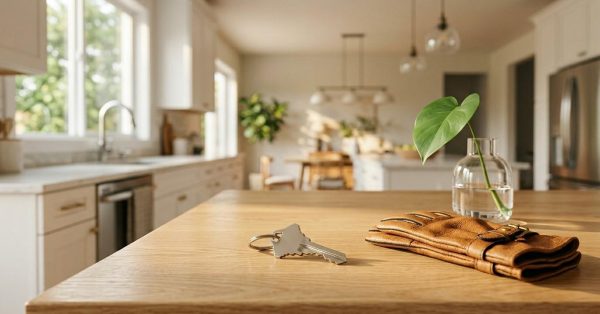
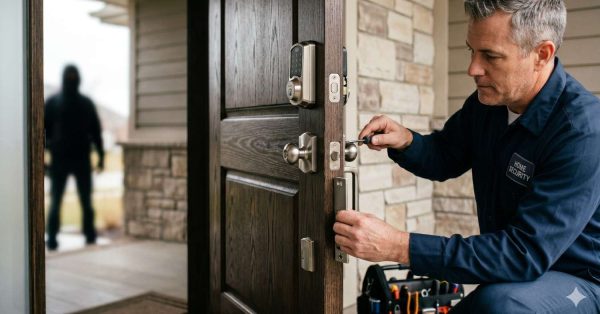
Leaving keys in the door is one of the simplest mistakes a homeowner can make, and one of the most dangerous. It signals an unlocked or easily accessible home, damages the lock cylinder over time, and creates a clear path for intruders, opportunists, and accidental lockouts. A habit that feels harmless can quickly compromise your property’s safety, your insurance standing, and the lifespan of your hardware. Understanding the risks is the first step to forming smarter, safer routines.
The Real Reasons You Should Never Leave Keys in the Door
You should never leave keys in the door because it creates immediate security risks, accelerates lock wear, and increases the chance of theft, lockouts, or unauthorized duplication. Even a few minutes is enough for someone to test the handle, copy the key, or push it through from outside. The risk is constant, regardless of neighborhood.
Security Risks From the Outside
A key left in the exterior lock is visible to anyone passing by. Delivery workers, strangers, and opportunistic thieves can spot it instantly. With the key already in place, an intruder does not need lockpicking skills, force, or tools. They simply turn the handle. Worse, some entry doors allow the key to be pushed out from outside using a thin wire or paper trick, then retrieved under the door. Many home insurance policies also reduce or deny theft claims when entry shows no signs of forced damage, which is exactly the case when a key is left in place.
Lock Damage and Mechanical Wear
Leaving keys in the door also stresses the internal lock components. The key’s weight pulls on the cylinder, bending pins and misaligning the keyway. Over time, this leads to sticky locks, broken keys, and full lock replacement. Doors that swing or vibrate make the problem worse, slowly wearing the tumblers each day.
Understanding the dangers is one part of the equation. Knowing what to do when a key is lost, stuck, or compromised calls for professional locksmith services that restore security quickly and correctly.
What Can Happen If You Forget Keys in the Door
The consequences range from inconvenient to serious. A key left overnight can be copied at a kiosk in minutes, giving someone permanent access to your home. A child or pet may turn the lock from inside, creating an instant lockout. In multi-unit buildings, neighbors or visitors may notice the key and either remove it for safekeeping or, in worse cases, misuse it.
If you suspect anyone has had access to your key, even briefly, the safest response is rekeying or replacing your locks rather than hoping the risk passes.
Common Real-World Scenarios at Home
Homeowners often leave keys in the door while carrying groceries, managing kids, or unloading a vehicle. Property managers and landlords face similar issues during tenant turnovers. Rentals, vacation homes, and shared properties are especially vulnerable because multiple people use the same entry points throughout the day.
Safer Habits to Replace This Risky Routine
Build a single-spot key habit. Keep a small bowl, hook, or tray near the entry where keys always go the moment you step inside. For families, give every member a labeled spot. Always remove the key after unlocking and lock the door behind you before unloading. For long-term protection, consider upgrading to a smart lock system that eliminates physical keys entirely and offers keypad, fingerprint, or app-based entry.
Conclusion
Leaving keys in the door exposes your home to theft, lock damage, and avoidable lockouts. The risks are immediate, and the fixes are simple once you understand them.
Strong habits, well-maintained locks, and modern security upgrades protect your property, your family, and your investment over the long term.
At Mr. Local Services, we connect you with trusted local locksmiths and security experts ready to secure your home today. Book a service now.
Frequently Asked Questions
Is it illegal to leave keys in the door?
It is not illegal, but it can void parts of your home insurance if a theft occurs without signs of forced entry. Most policies require reasonable security measures.
Can someone copy a key left in the door?
Yes. A key can be photographed or duplicated in minutes at any hardware store or kiosk, giving someone permanent and undetected access to your home.
Does leaving keys in the lock damage it?
Yes. The key’s weight strains the cylinder and pins, causing misalignment, sticking, and eventually full lock failure that often requires replacement.
Should I rekey my locks if my key was left out?
If the key was unattended where strangers could access it, rekeying is the safest choice. It cancels the old key and restores full control of your entry.
Are smart locks safer than traditional locks?
Smart locks remove the physical key risk entirely and offer features like auto-lock, access logs, and remote control, making them a strong upgrade for most homes.