The easiest deck designs for DIY are ground-level platform decks, floating decks, and simple rectangular freestanding decks. These low-profile builds skip deep footings, complex railings, and stair systems. They use straightforward framing, pre-cut lumber, and standard fasteners. For homeowners new to outdoor carpentry, these designs offer a manageable weekend project, predictable costs, and reliable results without advanced tools or structural engineering.
The Easiest Deck Designs for DIY Beginners
The easiest DIY deck designs sit low to the ground, avoid attaching to the house, and rely on simple square or rectangular shapes. Ground-level platforms, floating decks, and small freestanding patios require minimal excavation, no ledger boards, and basic framing. They reduce permit requirements, structural risk, and labor time.
Ground-Level Platform Decks
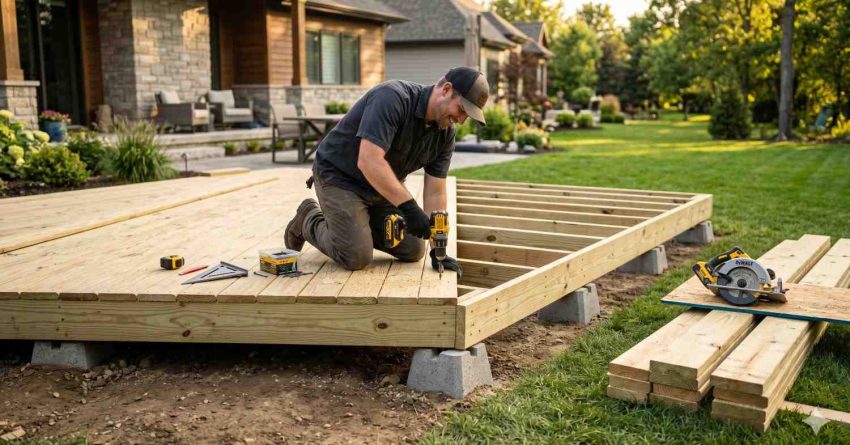
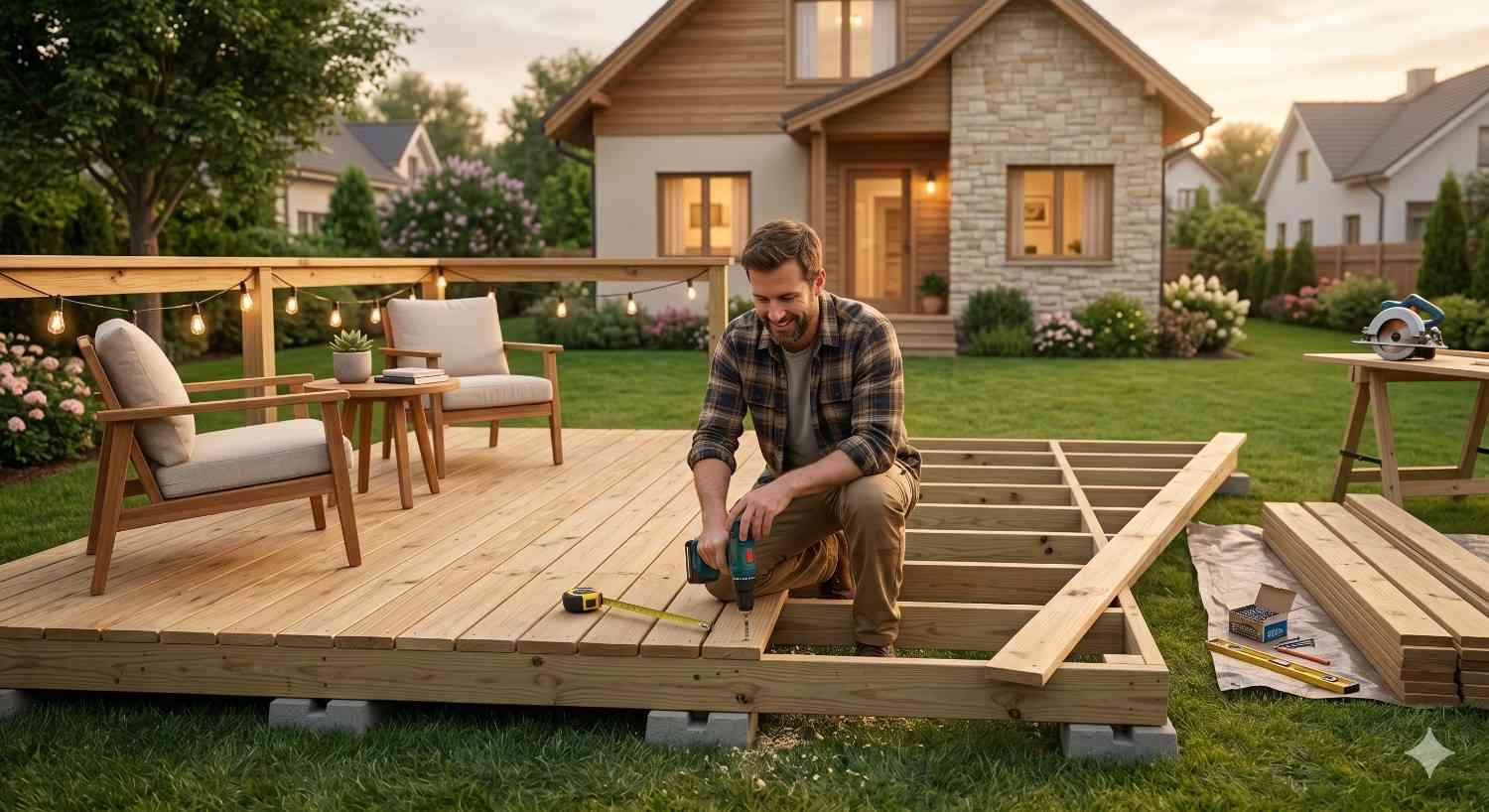
A ground-level platform deck sits within a few inches of the soil and uses concrete deck blocks instead of poured footings. The frame rests on pre-cast blocks placed every four to six feet, supporting standard 2×6 or 2×8 joists. Because the structure stays under 30 inches in height, most local codes do not require railings or permits. Builders cut joists to length, square the frame, and lay deck boards on top. The simplicity makes it a strong first project for homeowners with basic tools like a circular saw, drill, and level.
Floating Decks (No-Dig Designs)
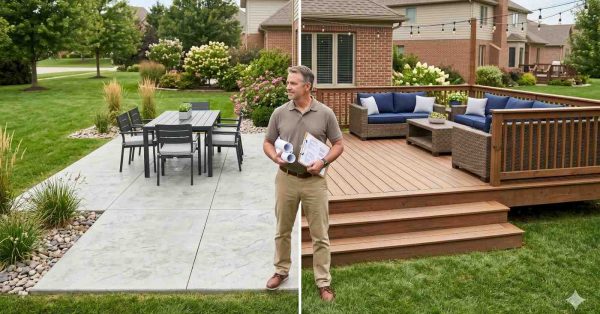
A floating deck is fully detached from the home and rests on adjustable plastic pedestals or concrete blocks. This design eliminates ledger board attachment, flashing, and the waterproofing concerns that come with house-connected builds. Floating decks work well for patios, garden lounges, and pool surrounds. They allow flexible placement on uneven ground because pedestals adjust for slope. Most floating decks use pressure-treated lumber for framing and composite or cedar boards for the surface, finished in a single weekend by two people.
A clear plan and the right materials separate a smooth build from a stalled one. For larger footprints, multi-level layouts, or attached decks, finding a qualified deck builder often saves time and prevents costly structural mistakes.
Planning Your DIY Deck Build
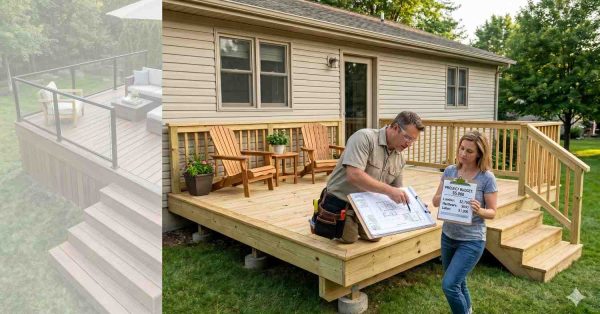
Before cutting any lumber, sketch the deck footprint, confirm property setbacks, and check whether your municipality requires a permit. Most ground-level and floating decks under 200 square feet avoid permitting, but rules vary by state and county. Estimate materials using a simple joist spacing of 16 inches on center, and add 10% to your lumber order for waste and cuts.
Materials, Tools, and Permits to Consider
Pressure-treated pine handles the frame, while cedar, redwood, or composite serves as the top surface. Essential tools include a circular saw, cordless drill, speed square, four-foot level, and a tape measure. Use exterior-rated structural screws or hot-dipped galvanized nails. Check soil drainage before placing blocks because pooling water shortens deck life. Confirm setback distances from fences and property lines with your local building department.
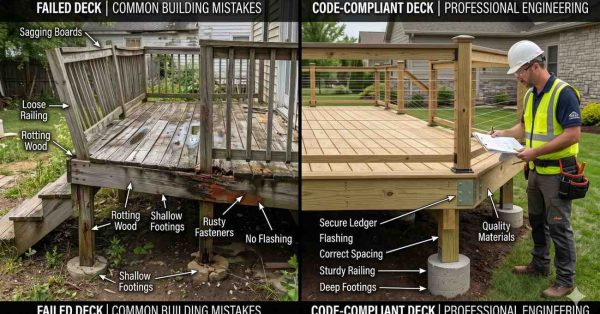
When to Call a Professional Instead
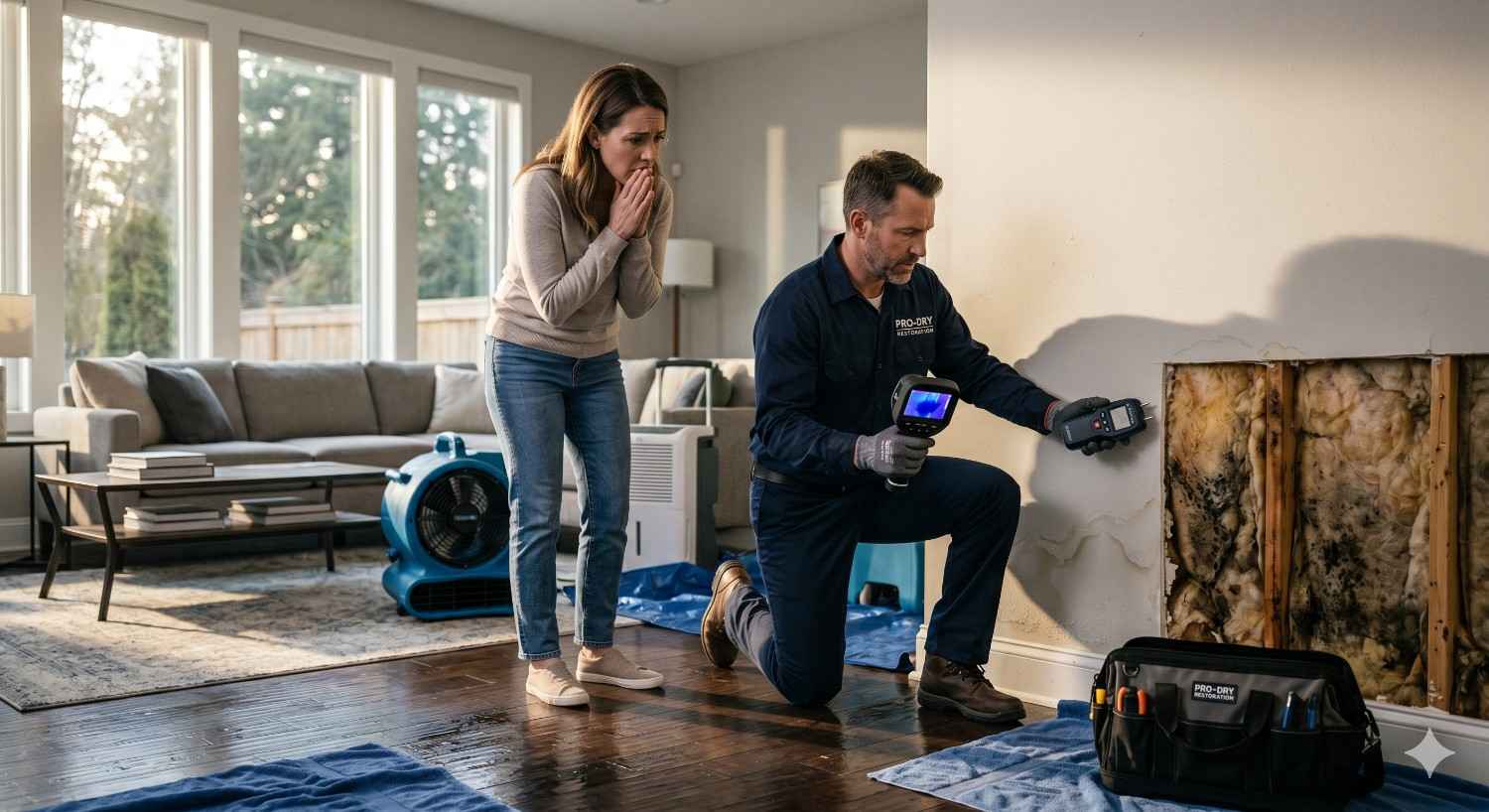
DIY works well for low platforms and detached patios under 200 square feet. Once a project involves elevated heights, stairs, railings, ledger attachment to the house, or roof coverage, the structural demands shift quickly. Hidden issues like poor soil bearing, water intrusion at the ledger, or undersized framing create long-term safety risks. Multi-level designs, decks above living spaces, and any build requiring permits benefit from skilled carpentry work and licensed inspection.
Conclusion
Simple, low-profile decks are the easiest entry point for DIY builders, offering manageable scope, lower costs, and faster completion without sacrificing function or appearance.
As outdoor living grows in value for homeowners and property managers, well-built decks remain one of the most reliable upgrades for comfort, usability, and long-term property appeal.
When your project outgrows DIY scope, we connect you with vetted local professionals through Mr. Local Services for safe, code-compliant deck builds.
Frequently Asked Questions
What is the cheapest deck design to build yourself?
A ground-level platform deck using pressure-treated lumber and concrete deck blocks is the cheapest option, often costing $15 to $25 per square foot in materials.
Do I need a permit for a DIY deck?
Most decks under 30 inches in height and detached from the house avoid permits, but rules vary by city, so always confirm with local building authorities.
How long does it take to build a simple deck?
A small ground-level or floating deck typically takes a confident DIYer one full weekend, usually 16 to 20 hours, including layout, framing, and decking installation.
What is the best wood for a beginner deck?
Pressure-treated pine is the best beginner wood for framing because it resists rot, accepts fasteners well, and costs less than cedar, redwood, or composite alternatives.
Can I build a deck without digging footings?
Yes, floating decks and ground-level platforms use concrete deck blocks or adjustable pedestals, eliminating excavation while still providing stable, code-acceptable support for low structures.