A bad deck contractor shows clear warning signs early: missing licenses, vague estimates, pressure tactics, poor communication, and sloppy workmanship. Spotting these red flags before signing a contract protects your home, budget, and safety. This guide breaks down the most reliable signals that a deck builder is unqualified or untrustworthy, so homeowners, landlords, and property managers across the USA can make confident hiring decisions and avoid costly rework or structural failures.
Top Signs of a Bad Deck Contractor
The most reliable signs of a bad deck contractor include no proof of licensing or insurance, vague or verbal-only estimates, large upfront payment demands, no written contract, no references or portfolio, and pressure to decide quickly. These warning signals typically appear during the first conversation or quote.
No License, Insurance, or Verifiable Credentials
A qualified deck builder carries an active contractor’s license, general liability insurance, and workers’ compensation coverage. A bad contractor avoids the topic, shows expired documents, or claims paperwork is “on the way.” Without verifiable credentials, you carry the legal and financial risk if a worker is injured or the structure fails inspection. Always ask for license numbers, certificate copies, and the insurance provider’s contact information. Refusal, hesitation, or vague answers signal a contractor who cannot meet basic professional standards required for residential or commercial deck construction.
Vague Estimates and Pressure to Pay Upfront
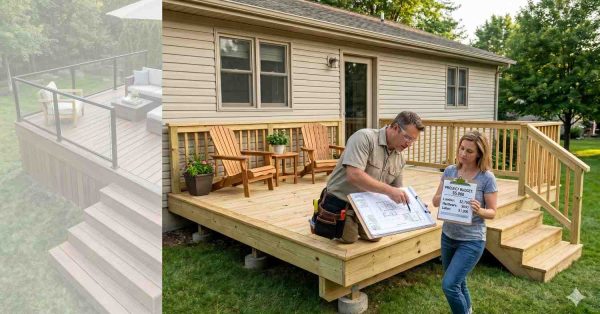
Reliable deck contractors provide itemized written estimates covering materials, labor, permits, and timelines. A bad contractor offers a single round number, refuses to itemize, or changes the price after work begins. Demands for 50% or more of the total cost upfront, cash-only payments, or no formal contract are serious red flags. Reputable professionals typically request a modest deposit, with progress payments tied to clear milestones. High-pressure tactics, “today only” discounts, or rushed signing requests usually indicate the contractor is hiding gaps in skill, financing, or accountability.
Recognizing these warning signs is only half the work. Understanding how to vet a qualified deck builder gives you a positive checklist to apply during interviews.
Warning Behaviors During the Project
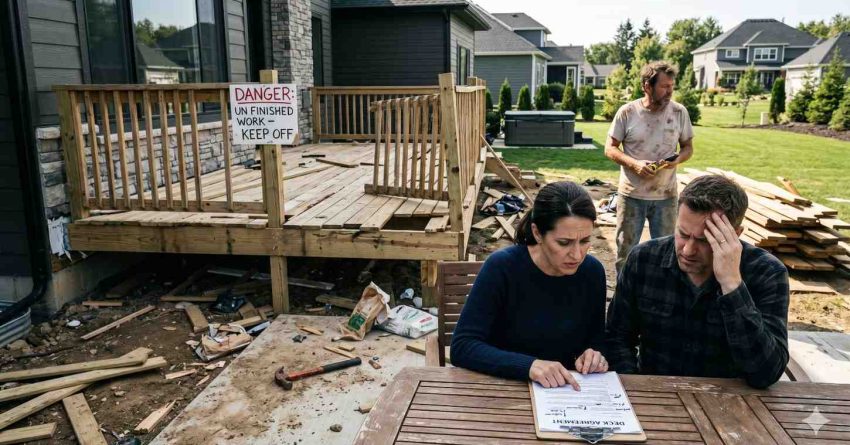
Some red flags only appear after work begins. A bad deck contractor often goes silent after the deposit clears, misses scheduled start dates, or shows up inconsistently without notice. Subcontractors may arrive without introduction, and the crew may change frequently.
Poor Communication and Missed Deadlines
Quality contractors set clear expectations and provide regular progress updates. A bad contractor avoids calls, ignores texts, blames suppliers without offering solutions, or pushes deadlines repeatedly. Disorganized job sites, scattered debris, unprotected landscaping, and ignored safety practices reflect the same lack of professionalism. If your contractor cannot run a clean, predictable project from day one, the finished deck will likely reflect the same disorder in its structure, finish, and long-term durability.
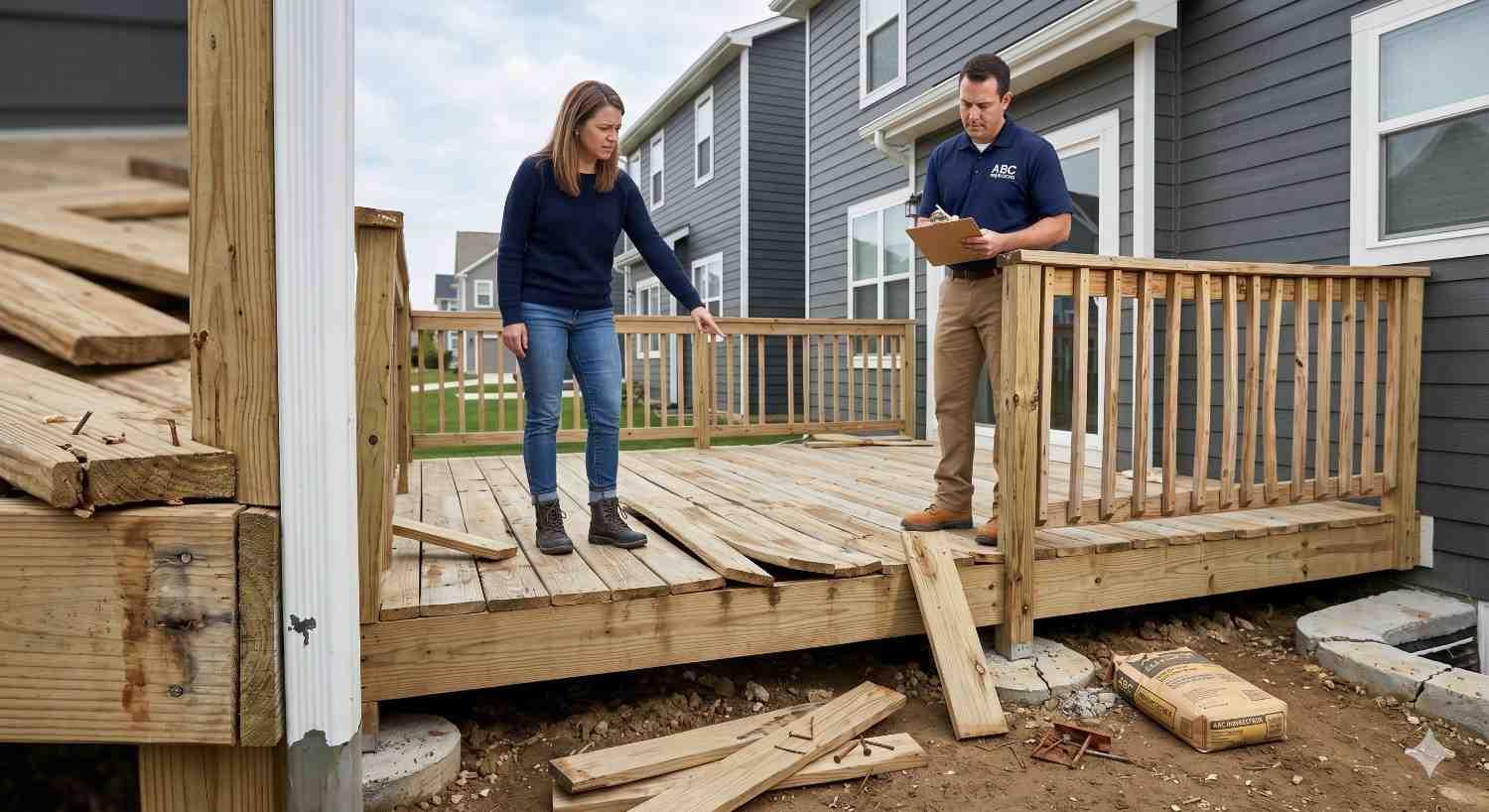
Red Flags in Workmanship and Materials
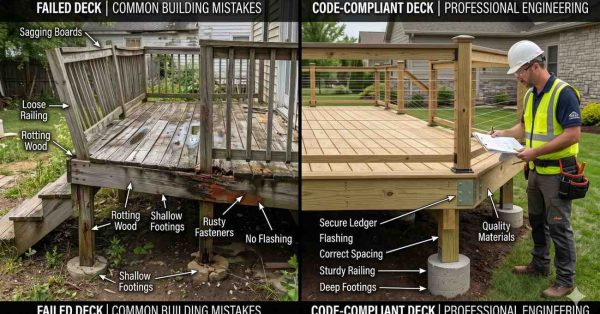
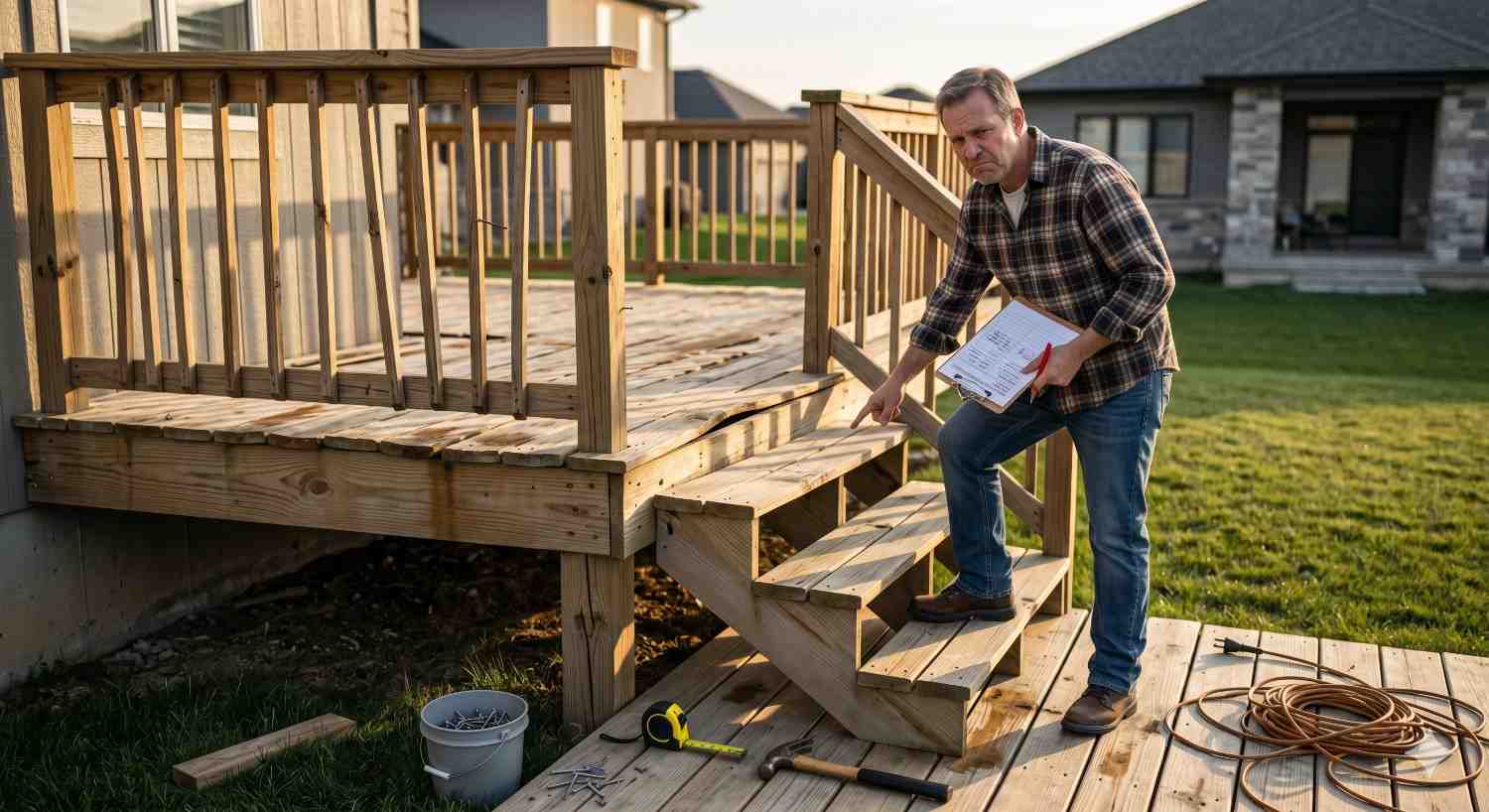
Inspect the build closely. Warning signs include uneven joists, improper flashing against the house, missing joist hangers, undersized fasteners, and lumber that is warped, cracked, or visibly low grade. Decking boards with large gaps, exposed nail heads, or wobbly railings indicate rushed labor. A bad contractor may also skip the permit process or refuse the final inspection, leaving you with a non-compliant structure. In severe cases, structural defects mean when a damaged deck needs replacement rather than another round of patchwork.
Conclusion
A bad deck contractor reveals themselves through missing credentials, unclear pricing, weak communication, and poor workmanship long before the project ends.
Spotting these signs early protects your property value, safety, and peace of mind, especially for homeowners and property managers planning long-term maintenance.
When you need verified, accountable deck professionals, Mr. Local Services connects you with trusted experts ready to deliver quality results.
Frequently Asked Questions
How do I verify if a deck contractor is licensed?
Check your state’s contractor licensing board website, request the license number directly, and confirm the status, classification, and any complaints filed against the contractor.
Should I pay a deck contractor in cash?
Avoid cash-only deals. Use checks or traceable payments tied to a written contract with milestone schedules to protect your money and create a clear paper trail.
How much should a deck contractor charge upfront?
A reasonable deposit is typically 10% to 30% of the total project cost, with remaining payments tied to clear progress milestones, not full payment upfront.
What permits does a deck project usually need?
Most decks require a building permit, and some require structural or zoning approvals. A reputable contractor handles permits and schedules required inspections.
Can a bad deck installation be fixed later?
Minor issues like loose boards can be repaired, but structural defects, code violations, or unsafe framing often require partial or full rebuilds by a qualified professional.