Water damage falls into three categories defined by the source and contamination level of the water: clean water (Category 1), gray water (Category 2), and black water (Category 3). Each type carries different health risks, restoration requirements, and costs. Understanding which category you are dealing with helps homeowners, landlords, and property managers respond quickly, protect their property, and choose the right professional service before the damage spreads.
The Three Categories of Water Damage Explained
The three types of water damage are Category 1 (clean water), Category 2 (gray water), and Category 3 (black water). These classifications, set by the IICRC, describe water cleanliness at the time of loss. Clean water is sanitary, gray water is contaminated, and black water is grossly unsanitary. Each category requires a different restoration approach.
Category 1 — Clean Water Damage
Clean water damage comes from a sanitary source that poses no immediate health risk. Common causes include broken supply lines, overflowing sinks, rainwater intrusion, and appliance leaks. While the water itself is safe, it becomes more dangerous the longer it sits. Within 24 to 48 hours, untreated clean water can degrade into a higher category as it absorbs contaminants from floors, drywall, and insulation. Quick extraction and drying are essential, and sudden pipe failures and supply line breaks often need immediate professional intervention.
Category 2 — Gray Water Damage
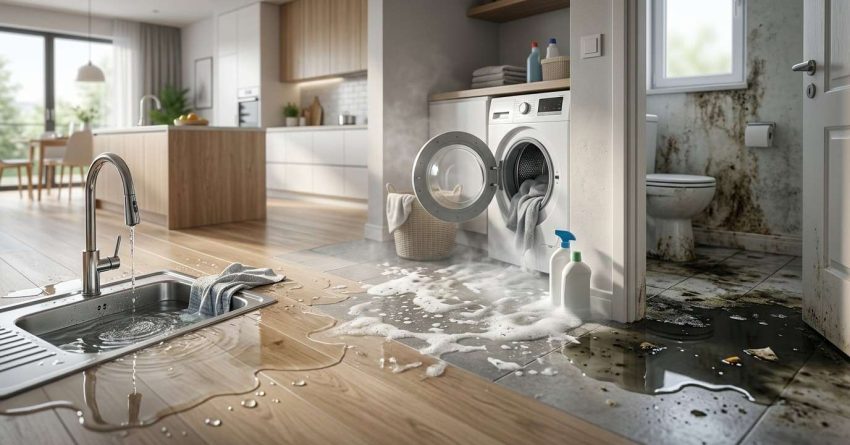
Gray water contains significant chemical, biological, or physical contamination that can cause discomfort or illness. Sources include washing machine overflows, dishwasher discharge, toilet overflows containing only urine, and sump pump failures. Gray water requires more aggressive cleaning, antimicrobial treatment, and often the removal of porous materials like carpet padding and drywall. Direct contact should be avoided. Without proper handling, gray water quickly escalates into the most dangerous category within two days.
Category 3 — Black Water Damage
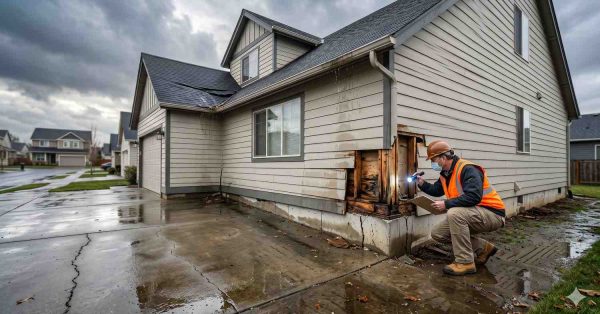
Black water is grossly contaminated and contains pathogens, sewage, or toxic substances. Sources include sewer backups, toilet overflows with feces, flooding from rivers or storm surges, and standing water that has degraded from a lower category. Black water poses serious health risks and demands full protective equipment, professional extraction, and disposal of all affected porous materials. Restoration requires certified technicians, strict containment, and thorough decontamination of every surface the water touched.
Knowing the category is the starting point. The next step is understanding how each one shapes the professional water damage restoration process and what recovery looks like for your property.
Why Water Damage Categories Matter for Your Property
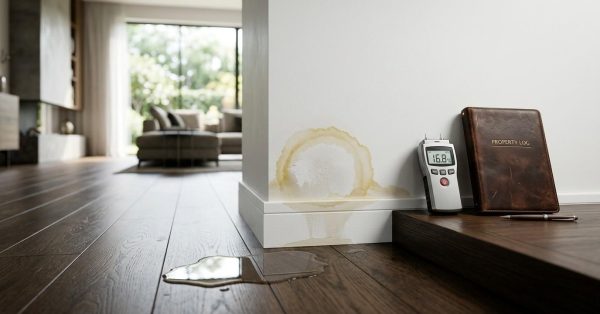
The category determines everything about the response: equipment used, materials saved or discarded, drying time, and total cost. Misidentifying the category leads to incomplete restoration, lingering odors, and structural problems months later. Insurance carriers also rely on category classification when reviewing claims, so accurate documentation protects your coverage.
How Categories Affect Restoration Cost and Timeline
Clean water jobs are the fastest and least expensive, often resolved in two to four days. Gray water jobs take longer because contaminated materials must be removed and replaced. Black water restoration is the most involved, requiring containment barriers, biohazard disposal, and full reconstruction of affected areas. Standing moisture in any category creates conditions for mold growth from untreated moisture, which adds remediation steps, extends timelines, and raises costs significantly if not addressed early.
When to Call a Water Damage Professional
Call a professional immediately for any gray or black water event, any flooding involving more than a small area, or any water that has been standing longer than 24 hours. Certified technicians use moisture meters, industrial dehumidifiers, and antimicrobial treatments that homeowners cannot replicate. Acting fast limits structural damage, prevents category escalation, and keeps repair costs manageable for both residential and commercial properties.
Conclusion
The three types of water damage—clean, gray, and black—reflect rising levels of contamination, health risk, and restoration complexity. Identifying the category early shapes every recovery decision that follows.
For homeowners, landlords, and property managers, knowing these distinctions makes faster decisions possible and protects long-term property value when emergencies strike.
When water damage hits, we connect you with trusted, certified restoration professionals fast. Contact Mr. Local Services today for reliable help.
Frequently Asked Questions
How quickly does water damage need to be addressed?
Water damage should be addressed within 24 to 48 hours. After that, clean water can degrade into gray or black water, and mold growth becomes likely on porous materials.
Is Category 1 water damage covered by insurance?
Most homeowners’ policies cover sudden, accidental Category 1 water damage from burst pipes or appliance failures. Gradual leaks and flooding usually require separate coverage or flood insurance.
Can I clean up gray water damage myself?
Small gray water spills can be cleaned with protective gear, but anything covering more than a small area or soaking into walls and flooring needs a certified water damage restoration professional.
What is the difference between gray water and black water?
Gray water contains contaminants that may cause illness, like washing machine or dishwasher discharge. Black water contains sewage, pathogens, or floodwater and is considered grossly unsanitary and hazardous.
Does water damage always lead to mold?
Not always, but mold can develop within 24 to 48 hours when moisture stays untreated. Fast extraction, thorough drying, and antimicrobial treatment dramatically reduce the risk of mold growth.