An Amish built house typically costs between $100 and $250 per square foot, though highly customized or larger homes can exceed that range. These homes are known for exceptional craftsmanship, solid wood construction, and attention to structural detail that sets them apart from standard residential builds. Pricing depends on home size, material choices, site location, and the level of customization involved. Understanding what drives these costs helps homeowners and property managers make informed decisions before committing to a build.
What Does an Amish Built House Typically Cost?
Amish built homes generally range from $100 to $250 per square foot for standard residential construction. A modest 1,000-square-foot home may cost between $100,000 and $180,000, while a larger 2,000-square-foot custom build can reach $300,000 to $500,000 or more. Pricing varies based on geographic region, builder, material grade, and the complexity of the design. Labor costs are typically lower than conventional construction, but premium materials often offset that savings.
Cost by Home Size and Type
Amish builders construct a wide range of home types, and size is the single largest cost driver.
| Home Type | Estimated Size | Estimated Cost Range |
| Small cabin or cottage | 400–800 sq ft | $40,000–$120,000 |
| Standard single-family home | 1,000–1,800 sq ft | $100,000–$300,000 |
| Large custom home | 2,000–3,500 sq ft | $250,000–$600,000+ |
| Modular or prefab Amish build | Varies | $80,000–$200,000 |
Modular Amish homes, built in sections off-site and assembled on location, tend to cost less than fully custom on-site builds. They still carry the hallmark quality of Amish craftsmanship but reduce labor time and site complexity.
What Drives the Price Up or Down
Several factors directly influence the final cost of an Amish built home.
Material selection is the most significant variable. Amish builders frequently use solid hardwoods, hand-cut timber framing, and locally sourced materials. Choosing premium lumber grades or specialty finishes increases costs substantially.
Site preparation adds expense that many buyers overlook. Grading, foundation work, utility connections, and permits are typically separate from the builder’s quote and can add $20,000 to $60,000 depending on the lot.
Customization level also plays a major role. Standard floor plans cost less. Custom layouts, built-in cabinetry, hand-carved details, and unique architectural features all increase both labor time and material costs.
Geographic location affects pricing through transportation costs, regional material availability, and local permit requirements. Amish builders located farther from the build site may charge travel or logistics fees.
When evaluating quotes, always confirm what is and is not included. Foundation, utilities, landscaping, and interior finishing are often quoted separately.
Tiny home construction options follow a similar pricing structure and are worth comparing if you are working within a tighter budget or building on a smaller lot.
What’s Included in the Price of an Amish Built Home?
Most Amish builder quotes cover the structural shell, framing, roofing, exterior siding, windows, and doors. Interior finishing, flooring, plumbing, and electrical work may or may not be included depending on the builder and contract scope.
Craftsmanship, Materials, and What to Expect
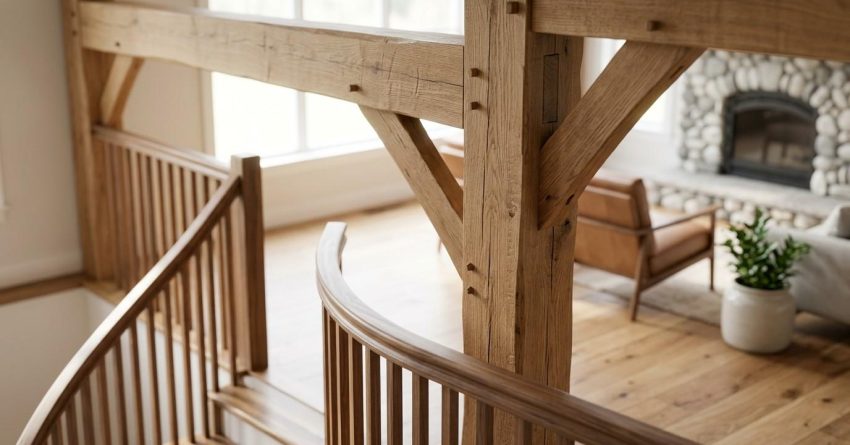
Amish construction is defined by hand-fitted joinery, mortise-and-tenon framing, and solid wood throughout. These techniques produce structures with exceptional durability and longevity. Many Amish built homes outlast conventionally framed houses by decades when properly maintained.
The custom carpentry and woodworking involved in Amish construction is a primary reason buyers choose this building method. Built-in shelving, hand-crafted staircases, and timber beam ceilings are common features that add both aesthetic and structural value.
Buyers should request a detailed scope of work before signing any contract. Confirm whether the quote includes insulation, drywall, interior doors, cabinetry, and finish carpentry. Many Amish builders work in phases, completing the shell and leaving interior finishing to the homeowner or a separate contractor.
Amish Built vs. Conventional Construction: Is It Worth the Cost?
Amish built homes often cost 10% to 30% more than comparable conventionally framed homes at the same square footage. That premium reflects the quality of materials, the density of labor, and the absence of shortcuts common in production homebuilding.
Conventional construction relies heavily on engineered lumber, prefabricated components, and high-volume assembly. Amish construction prioritizes solid wood, hand-fitted connections, and slower, more deliberate building practices.
For homeowners prioritizing longevity, structural integrity, and craftsmanship over speed and lowest upfront cost, Amish built homes consistently deliver strong long-term value. For buyers on tight timelines or strict budgets, modular Amish builds or conventional construction may be more practical.
The decision ultimately comes down to what you value most: speed and cost efficiency, or durability and craftsmanship.
Conclusion
Amish built homes cost between $100 and $250 per square foot, with total project costs shaped by size, materials, site conditions, and customization level.
For homeowners and property managers planning a new build or major property improvement, understanding these cost drivers leads to better decisions and fewer surprises. Whether you are building new or improving an existing structure, renovation and remodeling scope is worth exploring as a complementary path.
At Mr. Local Services, we connect you with skilled professionals across construction, carpentry, and home improvement to help you build and maintain properties with confidence.
Frequently Asked Questions
Are Amish built homes cheaper than regular homes?
Not always. Amish built homes often cost 10% to 30% more than conventional builds due to premium materials and handcrafted labor, though modular Amish options can be more budget-friendly.
How long does it take to build an Amish house?
A standard Amish built home typically takes three to six months to complete, depending on size, complexity, and weather. Custom builds or larger homes may take longer.
Can you customize an Amish built home?
Yes. Most Amish builders offer significant customization, including floor plan adjustments, custom cabinetry, timber beam features, and specialty woodwork. Customization increases both cost and build time.
Do Amish builders work outside their local area?
Many Amish builders will travel beyond their immediate region, though transportation and logistics costs are typically added to the project quote. Availability varies by builder and community.
Are Amish built homes energy efficient?
Amish built homes can be highly energy efficient when insulated and sealed properly. Solid wood construction and tight framing contribute to thermal performance, though modern insulation upgrades are often recommended.