Pouring a 20×20 concrete slab typically costs between $800 and $2,400, with most homeowners paying around $4 to $8 per square foot for a standard residential pour. That range covers a 400-square-foot slab and reflects real variation in thickness, site conditions, labor rates, and finish quality. Knowing what drives that number helps you budget accurately, avoid surprises, and make a confident decision about whether to hire a professional or take on part of the work yourself.
What Is the Average Cost to Pour a 20×20 Concrete Slab?
A 20×20 concrete slab covers 400 square feet. At the national average of $4 to $8 per square foot, total project costs typically fall between $1,600 and $3,200 when professional labor, materials, and basic site preparation are included. Simpler pours on flat, accessible ground land closer to the lower end. Projects requiring excavation, reinforcement, or specialty finishes push toward the higher end.
Cost Per Square Foot Breakdown
Concrete material alone runs $3 to $5 per square foot for a standard 4-inch slab. Labor adds another $2 to $5 per square foot, depending on your region and the complexity of the pour. That puts the combined material-and-labor cost for a 20×20 slab at roughly $2,000 to $4,000 for most residential projects. Thicker slabs — 6 inches for heavy loads like vehicles — increase material costs by 20 to 30 percent.
What’s Included in That Price?
A standard professional quote for a 20×20 concrete slab typically covers site grading, forming, the concrete mix, pouring, leveling, and basic finishing. It usually includes wire mesh or rebar reinforcement for structural integrity. What it often does not include: excavation for deep footings, decorative stamping or staining, sealing, or permit fees. Always confirm the scope in writing before work begins so there are no gaps between what you expect and what gets delivered.
The cost breakdown makes more sense once you understand what the concrete slab installation process actually involves from site prep through final cure.
What Factors Affect the Cost of a 20×20 Concrete Slab?
Material and labor are the two largest cost drivers, but several project-specific variables can shift your final number significantly. Understanding these factors helps you evaluate quotes accurately and avoid being caught off guard mid-project.
Thickness, Reinforcement, and Site Preparation
Slab thickness is one of the biggest cost variables. A 4-inch slab works for patios and walkways. A 6-inch slab is standard for garage floors and driveways that carry vehicle weight. Thicker slabs require more concrete and more reinforcement, both of which add cost. Site preparation matters just as much. If the ground needs grading, compacting, or drainage work before the pour, expect to add $500 to $1,500 to your budget depending on the scope of that prep work.
Labor Costs and Regional Pricing Differences
Labor rates vary significantly by location. Urban markets and high cost-of-living regions typically run $3 to $5 per square foot for labor alone. Rural areas may come in closer to $2 to $3 per square foot. Seasonal demand also affects pricing. Scheduling a pour during peak construction season — typically late spring through early fall — can push labor costs higher. Getting multiple quotes from licensed contractors helps you understand the local rate and identify outliers. Professionals who offer concrete and masonry services as part of a broader property improvement scope can often provide more competitive bundled pricing.
DIY vs. Hiring a Professional — Which Makes More Sense?
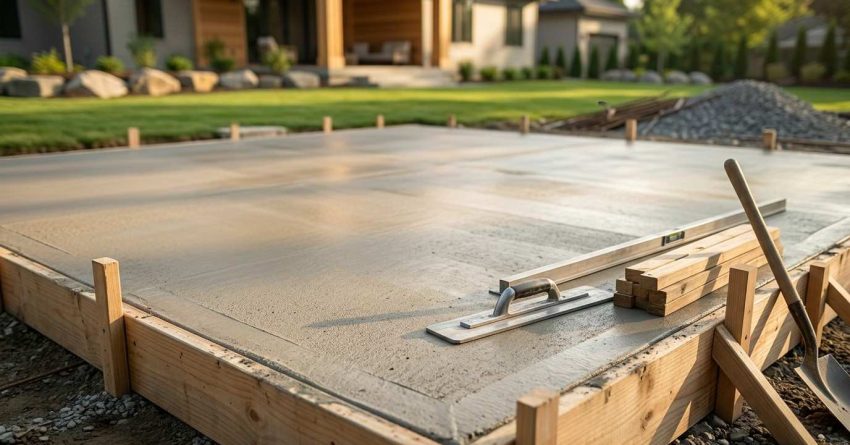
DIY concrete pouring is possible for experienced homeowners, but a 20×20 slab is not a beginner project. Concrete work requires precise mixing ratios, fast execution, and proper finishing before the material sets. Mistakes are expensive to correct and often permanent. Renting equipment — a concrete mixer, screed, float, and forms — adds $200 to $500 to your costs, and that assumes you already have the skills to use them correctly. For most homeowners, hiring a licensed contractor delivers better results, a faster timeline, and a finished slab that holds up over years of use. The cost difference between DIY and professional rarely justifies the risk on a project this size.
Conclusion
A 20×20 concrete slab costs $800 to $3,200 depending on thickness, site conditions, labor rates, and finish requirements. Getting the scope right before work starts is what keeps projects on budget.
For property owners managing multiple maintenance priorities, concrete work is one area where professional execution pays for itself in durability and long-term performance. Understanding your full range of options — including smaller concrete repair or surface work for minor issues — helps you match the right solution to the actual scope of the job.
At Mr. Local Services, we connect you with skilled professionals who deliver quality concrete work, transparent pricing, and dependable results from the first pour to the final finish.
Frequently Asked Questions
How long does it take to pour a 20×20 concrete slab?
Most professional crews complete a 20×20 slab pour in one day. Curing takes 24 to 48 hours before light foot traffic and up to 28 days for full structural strength.
Do I need a permit to pour a concrete slab?
Permit requirements vary by municipality. Many jurisdictions require a permit for slabs used as foundations or attached structures. Check with your local building department before starting.
How thick should a 20×20 concrete slab be?
A 4-inch thickness is standard for patios and light-use surfaces. Garage floors and driveways supporting vehicle weight require a minimum of 6 inches for adequate load capacity.
Can I pour a concrete slab in cold weather?
Concrete can be poured in cold weather, but temperatures below 40°F slow curing and increase the risk of freeze damage. Contractors use heated enclosures or curing blankets to manage cold-weather pours safely.
How long does a concrete slab last?
A properly installed and maintained concrete slab lasts 25 to 50 years or more. Sealing the surface every few years and addressing cracks early significantly extends its lifespan.