The most popular tiny house size is between 20 and 24 feet long, delivering roughly 200 to 400 square feet of living space. This range consistently leads the market because it balances legal road transport limits, functional interior layouts, and realistic construction costs for most buyers.
Tiny homes have moved well beyond novelty. Homeowners, landlords, and property managers are now using them as primary residences, rental units, guest quarters, and accessory dwelling units. Choosing the right size is the first and most consequential decision in any tiny home project. Getting it wrong affects everything from daily comfort to long-term property value.
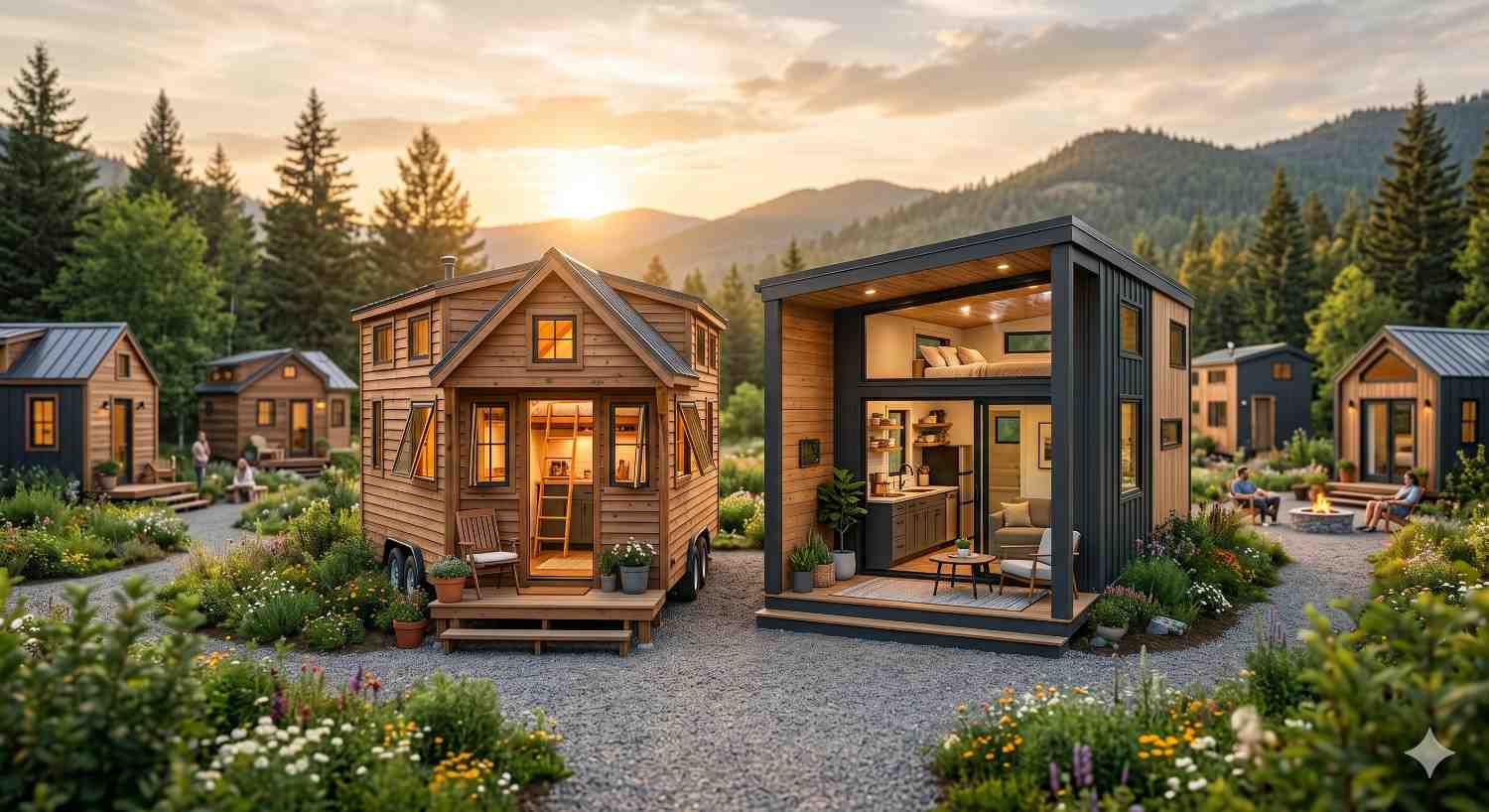
The Most Common Tiny House Size Range
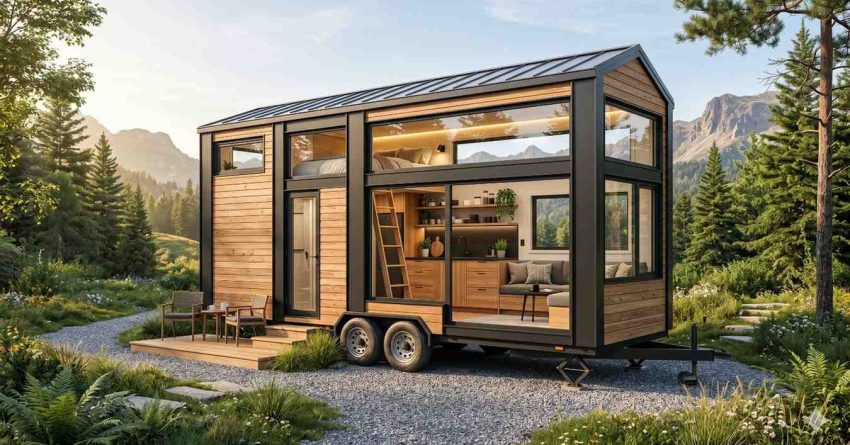
The 20 to 24 foot length is the sweet spot for tiny houses on wheels (THOWs) and many site-built tiny homes. At this size, a tiny house typically delivers between 200 and 400 square feet of usable floor space — enough for a sleeping loft, a functional kitchen, a bathroom, and a defined living area.
This size range dominates the market for practical reasons. It fits within standard trailer dimensions, clears most highway transport regulations without requiring special permits, and gives builders enough room to include the features buyers actually need. It is also the range most tiny home manufacturers and custom builders design around, which keeps material costs and labor timelines predictable.
Why 20 to 24 Feet Dominates the Market
A tiny house on wheels must comply with road transport rules. In most U.S. states, a trailer up to 8.5 feet wide and 13.5 feet tall can travel without an oversized load permit. Length limits vary by state, but 24 feet is widely accepted as the practical ceiling before transport complexity increases significantly.
Within that 20 to 24 foot window, builders can include a sleeping loft above the bathroom or kitchen — a design choice that recovers vertical space without expanding the footprint. This loft configuration is one of the defining features of the most popular tiny house layouts and is nearly impossible to execute well in homes shorter than 18 feet.
Square Footage Breakdown by Use Case
Not every tiny home buyer needs the same amount of space. Here is how square footage typically maps to use case:
- Under 150 sq ft: Minimalist solo living, off-grid retreats, or seasonal use
- 150–250 sq ft: Full-time solo occupancy with basic amenities
- 250–400 sq ft: Couples, part-time rental units, or accessory dwelling units
- 400 sq ft and above: Small families, long-term rentals, or ADA-accessible builds
The 250 to 400 square foot range within the 20 to 24 foot length category is where most first-time tiny home buyers land. It offers enough room to live comfortably without the cost and complexity of a larger build.
Zoning requirements and placement rules shape which sizes are actually permitted on a given property — and that constraint often determines the final decision more than personal preference does.
What Affects Tiny House Size Selection
Size is not chosen in isolation. Several external factors push buyers toward specific dimensions regardless of what they would prefer in an ideal scenario.
Zoning Laws, Trailer Limits, and Livability Thresholds
Local zoning codes define minimum square footage for habitable structures in many jurisdictions. Some municipalities require at least 150 square feet for a dwelling to qualify as a legal residence. Others set the floor higher. This directly eliminates certain tiny home sizes from consideration depending on where the home will be placed.
Trailer weight capacity is a parallel constraint. A longer, heavier tiny house requires a heavier-duty trailer, which increases both upfront cost and towing requirements. Most buyers in the 20 to 24 foot range use a 7,000 to 14,000 pound GVWR trailer, which is compatible with a standard heavy-duty pickup truck.
Livability thresholds are more personal but equally real. Designers and occupants consistently report that homes under 180 square feet require significant behavioral adaptation — fewer possessions, more intentional storage design, and a tolerance for close quarters. Homes in the 250 to 400 square foot range feel livable to most people without requiring a lifestyle overhaul.

Size vs. Layout — What Matters More Than Square Footage
Square footage is a starting point, not the full picture. A poorly designed 350 square foot tiny home can feel more cramped than a well-designed 220 square foot one. How layout shapes livability in a tiny home depends on ceiling height, window placement, multi-function furniture, and traffic flow — not just total area.
Buyers who focus exclusively on maximizing square footage within their budget often end up with homes that feel larger on paper but smaller in practice. The most livable tiny homes prioritize vertical space, natural light, and convertible furniture over raw floor area. This is why experienced tiny home builders treat layout planning as equal in importance to size selection.
Conclusion
The most popular tiny house size — 20 to 24 feet long, 200 to 400 square feet — reflects a practical balance between transport compliance, construction cost, and daily livability.
For homeowners and property managers exploring tiny homes as rentals, guest units, or primary residences, professional tiny home installation ensures the build meets local codes and performs reliably over time.
At Mr. Local Services, we connect you with skilled professionals who handle tiny home projects from planning through completion — reliably, transparently, and built to last.
Frequently Asked Questions
What is the average square footage of a tiny house?
The average tiny house ranges from 100 to 400 square feet. Most buyers choose between 200 and 350 square feet, which supports full-time living without excessive construction cost or transport complexity.
What is the minimum size for a livable tiny house?
Most designers consider 150 square feet the practical minimum for full-time solo occupancy. Below that threshold, storage, sleeping, and daily routines become difficult to accommodate without significant lifestyle compromise.
How long is a typical tiny house on wheels?
Most tiny houses on wheels measure between 18 and 28 feet long. The 20 to 24 foot range is most common because it stays within standard highway transport limits without requiring oversized load permits in most states.
Can a tiny house be too small to be functional?
Yes. Homes under 120 square feet often lack adequate storage, kitchen workspace, and sleeping separation. Functionality depends on layout quality, but size below a practical threshold limits what good design can compensate for.
What size tiny house fits a family of two?
A couple typically needs at least 250 square feet for comfortable full-time living. A 24 foot, 300–400 square foot build with a sleeping loft and defined living zones is the most common choice for two-person households.