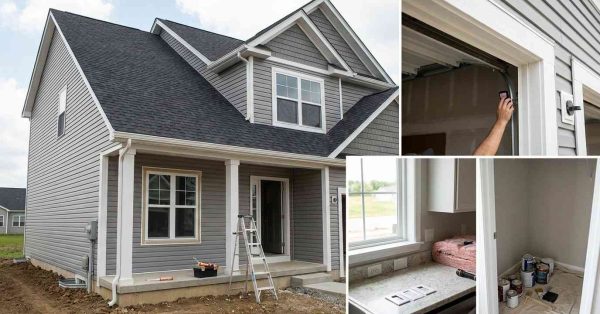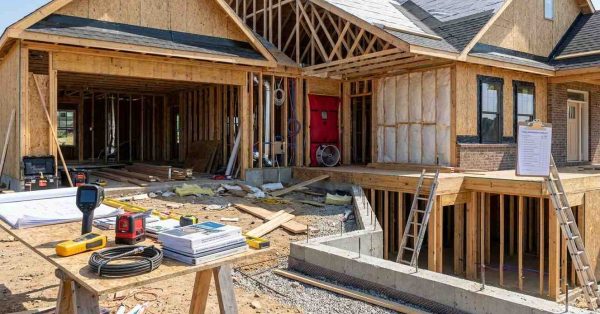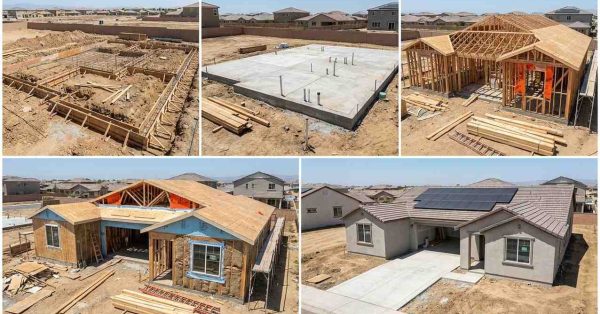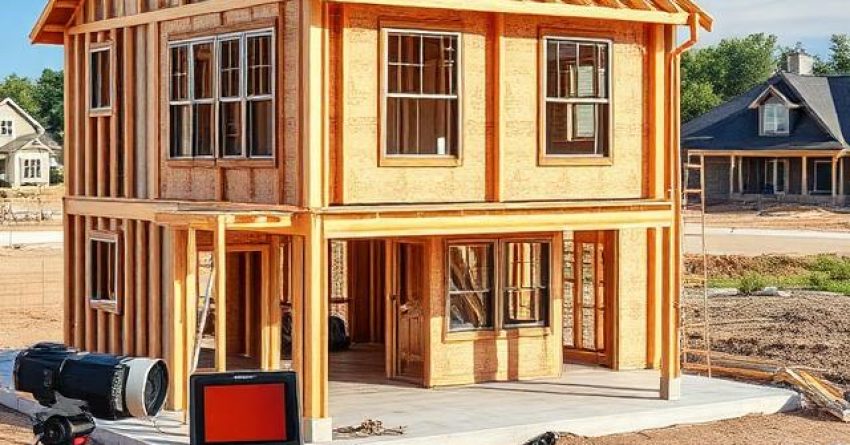
A municipal inspection confirms a home meets minimum building codes — it does not tell you whether the roof has three years left, the HVAC is undersized, or the foundation has settled unevenly. Independent home inspectors examine the full condition of a property, covering dozens of systems and components that a city inspector is neither required nor authorized to evaluate. For homeowners, landlords, and property managers, understanding this distinction can be the difference between a sound investment and a costly surprise.
Relying on a municipal inspection alone leaves critical gaps in what you know about a property before you commit to buying or managing it.
This article explains what each inspection type covers, where their responsibilities diverge, and why an independent inspection is a non-negotiable step in any property transaction.
What a Municipal Inspector Actually Does
A municipal inspector is a government employee whose job is to verify that construction or renovation work complies with local building codes. They visit a property at specific stages of a project — framing, electrical rough-in, plumbing rough-in, and final completion — and sign off when the work meets the minimum legal standard required for occupancy.
Their scope is narrow by design. Municipal inspectors are not evaluating the quality of materials, the long-term durability of systems, or whether the finished product will serve the occupant well for the next 20 years. They are checking whether the contractor followed the rules in place at the time of construction.
The Limits of a Code-Only Inspection
Building codes set a legal floor, not a quality ceiling. A home can pass every municipal inspection and still have a water heater nearing the end of its service life, insulation installed below recommended levels, or drainage grading that directs water toward the foundation. None of these conditions violate code, so none of them appear in a municipal inspection report.
Municipal inspectors also do not revisit a property after the certificate of occupancy is issued. Any deterioration, deferred maintenance, or system failure that develops after that point is entirely outside their scope and responsibility.
What an Independent Home Inspector Covers
An independent home inspector is a licensed professional hired by the buyer or property owner to evaluate the current condition of a property as a whole. Unlike a municipal inspector, they are not checking compliance with a code from a specific construction date. They are assessing what is working, what is aging, what needs repair, and what poses a safety or financial risk right now.
A standard independent inspection covers the roof, attic, insulation, exterior, foundation, basement, crawl space, structural components, HVAC systems, plumbing, electrical panels and wiring, windows, doors, and all major appliances included in the sale. The inspector documents findings with photographs and delivers a written report the buyer can use to negotiate repairs, request credits, or make an informed decision about whether to proceed.
Systems and Components a Municipal Inspector Won’t Check
- Roof condition, remaining lifespan, and flashing integrity
- HVAC system age, efficiency, and operational status
- Water heater condition and remaining service life
- Electrical panel capacity, wiring condition, and safety hazards
- Plumbing supply and drain line condition
- Attic ventilation and insulation levels
- Foundation settlement, cracks, and moisture intrusion
- Window and door seals, operation, and weatherproofing
- Grading and drainage patterns around the foundation
- Visible signs of pest damage or prior water intrusion
None of these items appear on a municipal inspection checklist because they are not code-compliance issues. They are condition issues — and condition is exactly what an independent inspector is trained to evaluate.
Key Differences Between Independent and Municipal Inspections
| Factor | Municipal Inspector | Independent Home Inspector |
| Who hires them | Local government | Buyer or property owner |
| Purpose | Verify code compliance | Evaluate current property condition |
| When they inspect | During construction phases | Before purchase or as needed |
| What they check | Code-required elements only | All accessible systems and components |
| Report delivered | Pass/fail permit record | Detailed written condition report |
| Liability | Limited to code compliance | Professional liability to client |
| Cost to buyer | Included in permit fees | Paid directly by buyer ($300–$600 typical range) |
The two inspections serve entirely different purposes. One confirms the home was built legally. The other tells you whether it is worth buying and what it will cost you to maintain.
When You Need Both — and Why One Is Never Enough
For new construction, buyers often assume that because the city approved the build, no further inspection is needed. This assumption is one of the most expensive mistakes a buyer can make. Municipal inspectors visit briefly at each phase and are not present for the full duration of construction. Errors, shortcuts, and installation defects can occur between inspections and never be caught by the city.
An independent inspector hired before closing on new construction will examine the finished product with fresh eyes and no relationship to the builder. They routinely find issues that passed municipal review — improperly installed flashing, HVAC systems that are undersized for the square footage, missing insulation in wall cavities, and plumbing connections that technically meet code but are poorly executed.
For resale properties, the case is even clearer. No municipal inspector has visited that home since the original construction permit was closed. Everything that has happened to the property in the years since — deferred maintenance, DIY repairs, system aging, water damage — is invisible to any government record. Understanding when each inspection type applies becomes especially important during the buying process — our custom home investment analysis breaks down how inspection requirements differ between spec builds and custom construction, helping buyers protect their purchase from the start.
How an Independent Inspection Protects Your Investment
An independent inspection gives you documented, professional evidence of a property’s condition before you are legally obligated to complete the purchase. That documentation has direct financial value in three ways.
First, it creates negotiating leverage. When an inspector identifies a failing HVAC system, a roof with two years of life remaining, or a foundation crack that requires monitoring, you can request that the seller repair the issue, reduce the purchase price, or provide a credit at closing. Without an inspection report, you have no basis for that conversation.
Second, it protects you from inheriting undisclosed problems. Sellers are required to disclose known defects in most states, but they can only disclose what they know. An independent inspector finds conditions the seller may be unaware of — and documents them before the transaction closes.
Third, it gives you a maintenance roadmap. Even when no major defects are found, a good inspection report tells you which systems are aging, what maintenance is overdue, and what to budget for in the next three to five years. The financial stakes of skipping an independent inspection are highest when buying new construction — the spec home vs custom comparison covers how each build type carries different risk profiles that affect what your inspector should prioritize.
What Happens When Problems Are Found After Closing
Once a transaction closes, your options narrow significantly. If a defect was present before closing and was not disclosed, you may have legal recourse against the seller — but litigation is expensive, slow, and uncertain. If the defect was simply missed because no independent inspection was performed, you own the problem entirely.
The cost of an independent inspection — typically between $300 and $600 for a standard single-family home — is one of the lowest-cost risk management tools available in any real estate transaction. The cost of discovering a failed septic system, a compromised roof, or a cracked heat exchanger after closing can run into tens of thousands of dollars.
How to Choose a Qualified Independent Home Inspector
Not all independent inspectors carry the same credentials or follow the same standards. In the United States, inspector licensing requirements vary by state, so verifying credentials matters before you hire.
Look for inspectors certified by the American Society of Home Inspectors (ASHI) or the International Association of Certified Home Inspectors (InterNACHI). Both organizations require members to pass competency exams, complete continuing education, and adhere to published standards of practice. Membership in either organization is a reliable baseline indicator of professional competency.
Ask for a sample report before hiring. A quality inspector delivers a clear, organized, photograph-supported report that explains findings in plain language and distinguishes between safety hazards, significant defects, and maintenance items. A vague or poorly organized sample report is a reliable signal of how your actual report will look.
Verify that the inspector carries errors and omissions insurance. This coverage protects you if the inspector misses a significant defect that was accessible and visible during the inspection. Knowing what to look for in an inspector is only part of the process — a detailed home inspection checklist gives you a complete list of every system and component your inspector should document before you sign anything.
Finally, attend the inspection in person when possible. A good inspector will walk you through findings as they work, explain what they are seeing, and answer your questions on-site. That conversation is often as valuable as the written report.
Conclusion
A municipal inspection confirms legal compliance at the time of construction — it does not evaluate the current condition of the systems you are about to own and maintain. An independent home inspector fills that gap with a comprehensive, documented assessment of everything a code review leaves untouched.
Skipping an independent inspection to save a few hundred dollars is one of the highest-risk decisions a buyer can make, regardless of whether the property is new construction or decades old.
At Mr. Local Services, our network of trusted home service professionals helps property owners identify, address, and prevent the exact issues an independent inspector is trained to find — contact us to connect with qualified experts who keep your property safe, functional, and protected year-round.
Frequently Asked Questions
Is a municipal inspection the same as a home inspection?
No. A municipal inspection verifies that construction meets local building codes at specific project phases. An independent home inspection evaluates the current condition of all accessible systems and components in a finished property. They serve entirely different purposes.
Do I need an independent inspector if the city already approved the build?
Yes. Municipal approval confirms code compliance during construction — it does not assess the quality, durability, or current condition of the finished home. Independent inspectors routinely find defects in newly built homes that passed every municipal review.
What does an independent home inspector look for?
An independent inspector evaluates the roof, foundation, structural components, HVAC, plumbing, electrical systems, insulation, windows, doors, and all major appliances. They document current condition, identify defects, and flag items requiring maintenance or repair.
How much does an independent home inspection cost?
A standard independent home inspection for a single-family residence typically costs between $300 and $600 in the United States. Cost varies based on property size, age, location, and the scope of services included.
Can an independent inspector fail a home?
Independent inspectors do not pass or fail properties. They document conditions and findings in a written report. The buyer and their agent then use that report to negotiate repairs, request credits, or decide whether to proceed with the purchase.
When should I schedule an independent home inspection?
Schedule an independent inspection after your purchase offer is accepted and before your inspection contingency deadline expires. For new construction, schedule a pre-closing walkthrough inspection before the final closing date, even if the builder has received all municipal approvals.