Hiring a third-party new construction inspector is one of the most important steps a homebuyer can take before closing on a newly built home. Even brand-new construction contains defects — framing errors, plumbing rough-in mistakes, improper electrical installations, and roofing issues that a builder’s own team may overlook or leave unreported.
This matters because builders are focused on completing projects on schedule, and their in-house inspectors work for the same company building your home — not for you.
This guide explains what a third-party inspector does, when to schedule inspections during the build, how to choose a qualified professional, and what to expect from the final report.
What Does a Third-Party New Construction Inspector Do?
A third-party new construction inspector is an independent professional hired by the buyer — not the builder — to evaluate the quality, safety, and code compliance of a home under construction. Their job is to identify defects, installation errors, and code violations before they are hidden behind finished walls, ceilings, or flooring.
Unlike a municipal code inspector, who checks minimum legal compliance on behalf of the local government, a third-party inspector works exclusively in your interest. They examine structural components, mechanical systems, insulation, waterproofing, and dozens of other elements that directly affect the long-term performance of your home.
A third-party inspector operates independently from the builder — our home inspection services covers the full scope of professional inspection options available for both new and existing residential properties.
How This Differs From a Builder’s In-House Inspector
A builder’s in-house inspector or construction manager is employed by the same company building your home. Their primary obligation is to the builder, not to you. While they may catch some issues, they are not positioned to advocate for the buyer’s interests or document findings in a way that supports warranty claims or legal disputes.
A third-party inspector produces an independent written report that belongs to you. That documentation gives you leverage to request repairs before closing, negotiate credits, or escalate concerns if the builder refuses to address deficiencies.
Why Hiring an Independent Inspector Protects Your Investment
New construction is not automatically defect-free. According to the National Association of Home Builders, construction defects are among the most common sources of homeowner disputes in the first year of ownership. Structural issues, water intrusion, HVAC installation errors, and improper grading are frequently identified in post-closing warranty claims — many of which could have been caught and corrected before the home was finished.
An independent inspector gives you documented evidence of any deficiencies while the builder still has an obligation to correct them. Once you close on the home, your leverage decreases significantly. Defects discovered after closing often require you to navigate warranty processes, which can be slow and contentious.
When an inspection uncovers minor defects that the builder won’t address before closing, having access to reliable handyman repair services ensures those issues are resolved quickly without delaying your move-in timeline.
Common Defects Found During New Construction Inspections
Independent inspectors regularly document the following issues in newly built homes:
- Improper roof flashing and sheathing installation
- Plumbing rough-in errors including incorrect pipe slope and missing cleanouts
- Electrical wiring not secured or improperly grounded
- Insulation gaps in exterior walls and attic spaces
- Foundation cracks or improper drainage grading
- HVAC ductwork leaks and improper equipment sizing
- Drywall fastening failures and moisture intrusion behind finished surfaces
- Window and door installation deficiencies affecting weatherproofing
Each of these defects is significantly less expensive to correct during construction than after the home is complete and occupied.
When to Schedule a Third-Party Inspection During the Build
Timing is critical. A single inspection at the end of construction — after drywall is installed and finishes are complete — misses the majority of structural and mechanical issues because they are no longer visible. The most effective approach involves scheduling inspections at three specific phases of the build.
Roof framing and sheathing are among the most critical systems reviewed during the pre-drywall phase — our roofing inspection guide explains what a professional evaluates and what warning signs to watch for before materials are covered.
The Three Critical Inspection Phases Explained
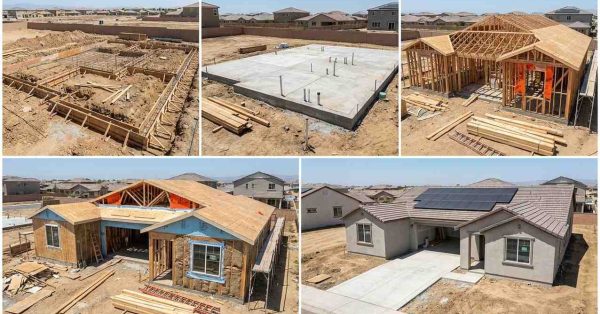
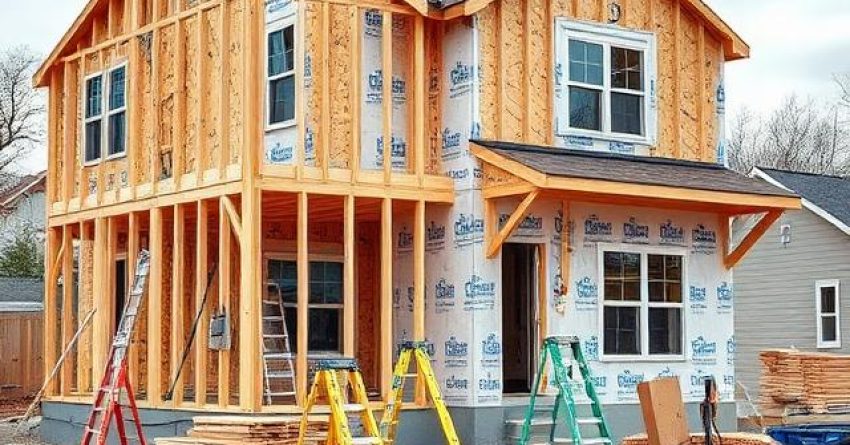
Phase 1 — Foundation and Framing Inspection This inspection occurs after the foundation is poured and the framing is complete but before any mechanical systems are installed. The inspector evaluates foundation integrity, framing dimensions, structural connections, and load-bearing elements. Issues identified at this stage are the least expensive to correct.
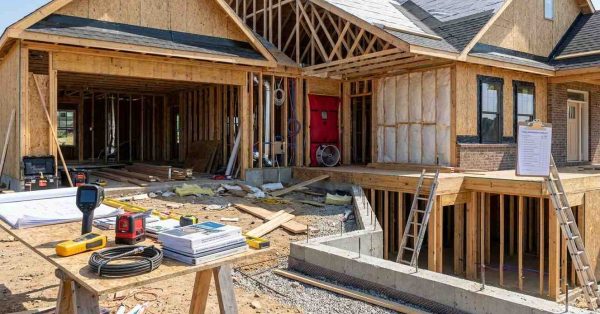
Phase 2 — Pre-Drywall Inspection This is the most comprehensive and valuable inspection phase. It occurs after rough-in work for plumbing, electrical, HVAC, and insulation is complete but before drywall is installed. At this stage, every major system is visible and accessible. This inspection catches the widest range of defects before they are permanently concealed.
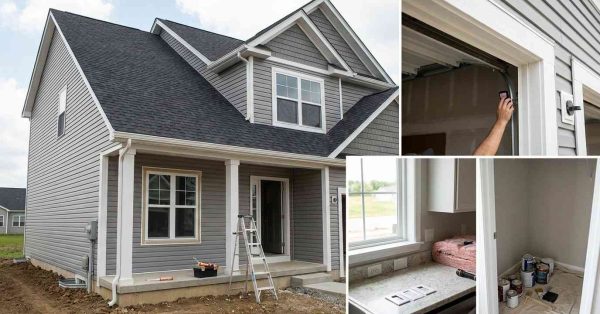
Phase 3 — Final Walk-Through Inspection This inspection occurs just before closing. The inspector evaluates all finished surfaces, fixtures, appliances, exterior grading, drainage, and any items flagged in earlier inspections to confirm they were corrected. This is also when a formal punch list is generated for any remaining items the builder must address.
How to Choose a Qualified New Construction Inspector
Not all home inspectors have experience with new construction. Inspectors who primarily work on existing homes may not be familiar with construction sequencing, rough-in systems, or the specific defect patterns common in new builds. When hiring for new construction, look for the following qualifications.
Selecting the right professional starts with understanding what credentials and experience matter most — our resource on qualified home inspectors outlines the certifications, tools, and questions to ask before you hire.
Certifications to look for:
- Certified by the American Society of Home Inspectors (ASHI) or the International Association of Certified Home Inspectors (InterNACHI)
- Specific training or certification in new construction inspection
- Familiarity with local building codes in your area
Questions to ask before hiring:
- How many new construction inspections have you completed in the past year?
- Do you perform phase inspections or only final inspections?
- What does your written report include, and how quickly is it delivered?
- Are you independent of any builder, contractor, or real estate agent involved in this transaction?
An inspector who cannot answer these questions clearly or who has limited new construction experience is not the right choice for this type of engagement.
What to Expect From the Inspection Report
A professional new construction inspection report is a detailed written document that identifies every deficiency observed during the inspection. It includes photographs, descriptions of each issue, the location within the home, and a recommended course of action. Reports are typically delivered within 24 to 48 hours of the inspection.
Reports frequently flag drywall installation issues such as improper fastening, tape separation, or moisture intrusion — our drywall defect repairs explains how these problems are corrected before they affect the finished interior.
Plumbing rough-in errors are among the most commonly documented findings in new construction reports — our plumbing system inspection resource details what licensed plumbers look for and how deficiencies are corrected.
The report serves as your formal record of deficiencies. Use it to submit a written repair request to the builder before closing. Keep a copy regardless of whether the builder agrees to make repairs, as it may be relevant to future warranty claims or resale disclosures.
A well-documented inspection report also establishes a baseline condition of the home at the time of purchase. If issues emerge after closing, the report provides evidence of whether those conditions existed before you took ownership.
If you need a dedicated resource for tracking and managing post-inspection repair items, a new construction punch list guide walks through how to organize, prioritize, and follow up on every item flagged in your inspection report.
Conclusion
Hiring a third-party new construction inspector gives buyers independent documentation of defects, installation errors, and code violations before they are permanently concealed behind finished surfaces. Scheduling inspections at the foundation, pre-drywall, and final walk-through phases provides the most complete picture of a home’s condition.
Choosing a certified inspector with specific new construction experience — and using their written report to formally request repairs before closing — is the most effective way to protect your investment and reduce post-closing disputes.
At Mr. Local Services, we connect homeowners with qualified professionals across every phase of property maintenance, repair, and improvement — contact us today to find the right expert for your new construction needs.
Frequently Asked Questions
Is a third-party inspection required for new construction?
No, a third-party inspection is not legally required for new construction. However, it is strongly recommended because builders’ in-house inspectors work for the builder, not the buyer, and municipal code inspections only verify minimum legal compliance.
How much does a new construction inspection cost?
Costs vary by location, home size, and inspection phase. A comprehensive three-phase inspection program typically ranges from $400 to $1,000 total. For a detailed breakdown, our new construction inspection cost guide covers pricing by phase, region, and inspector credentials.
Can I use my real estate agent’s recommended inspector?
You can, but verify that the inspector has no financial relationship with the builder or the agent. An inspector who regularly receives referrals from a builder or agent may have a conflict of interest. Always confirm independence before hiring.
What happens if the builder refuses to fix defects found in the inspection?
Document the builder’s response in writing. You may negotiate a closing credit, request an escrow holdback, or consult a construction attorney. Your inspection report is the primary evidence supporting any of these options.
When is it too late to hire a third-party inspector for new construction?
It is never too late to hire an inspector, but the pre-drywall phase is the most critical window. Once drywall is installed, structural and mechanical systems are no longer visible. If you have already passed that phase, a final walk-through inspection still provides valuable documentation before closing.
Do new construction homes come with a builder warranty?
Most builders offer a limited warranty covering workmanship, systems, and structural components for defined periods. However, a builder warranty and an independent inspection serve different purposes — our builder warranty comparison guide explains what each covers and why both matter.
Should I attend the inspection in person?
Yes. Being present allows the inspector to walk you through findings in real time, answer questions, and point out items that photographs alone may not fully convey. Most inspectors welcome and encourage buyer attendance.