D.R. Horton homes are affordable because the company builds at massive scale, uses standardized floor plans, and negotiates bulk pricing on materials — a business model designed to reduce per-unit costs without necessarily reducing every aspect of quality. Understanding how that model works helps buyers make smarter decisions before signing a contract.
D.R. Horton is the largest homebuilder in the United States by volume. That scale is not accidental. It is the core engine behind every price tag on every community they develop. When a builder closes thousands of homes per year across dozens of markets, the economics of construction shift dramatically in their favor.
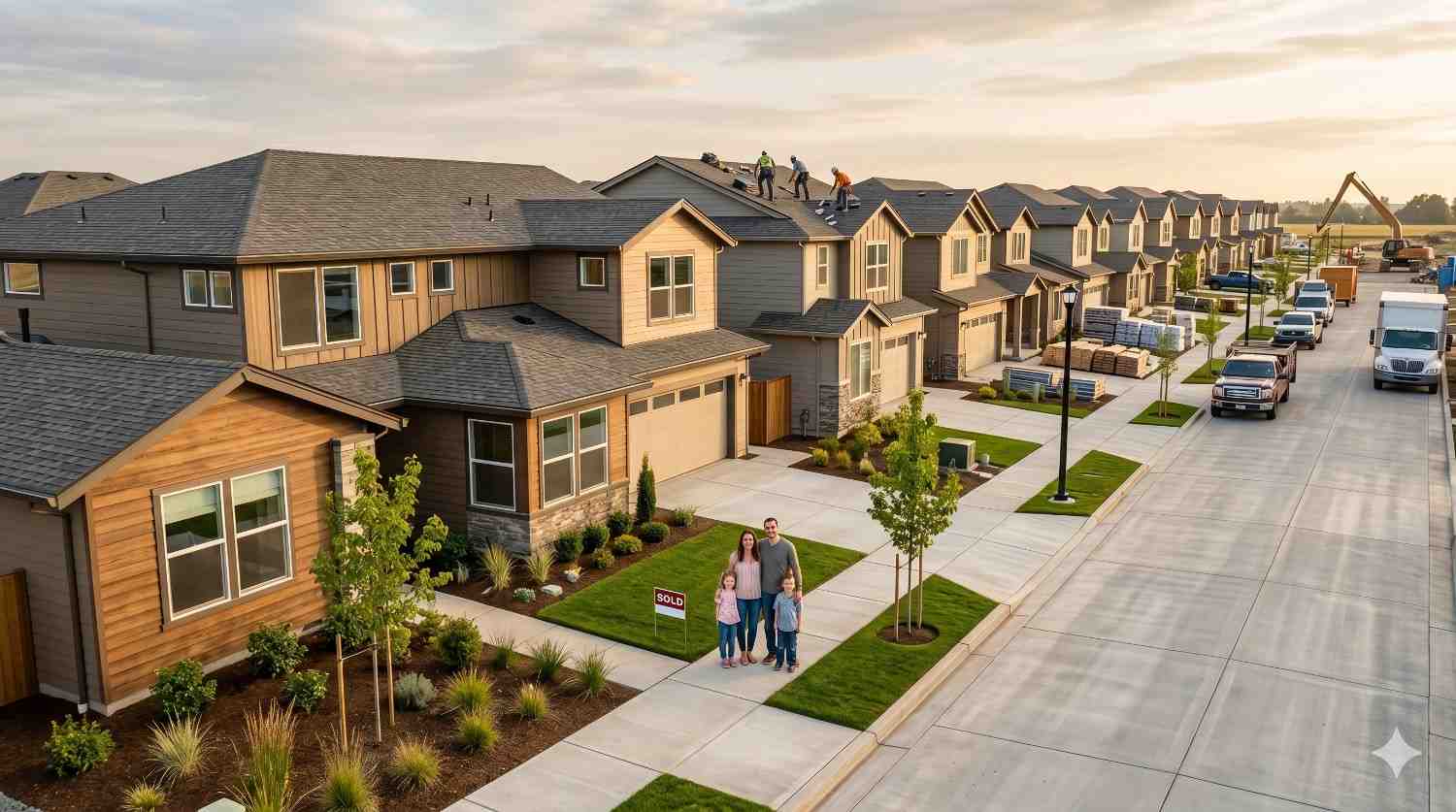
How D.R. Horton Keeps Home Prices Low
D.R. Horton reduces costs by operating at national scale, purchasing land in bulk, standardizing home designs across communities, and locking in long-term supplier contracts. These strategies compress the cost of building each home, allowing the company to price competitively in entry-level and mid-range markets without absorbing losses.
Volume Building and Land Acquisition Strategy
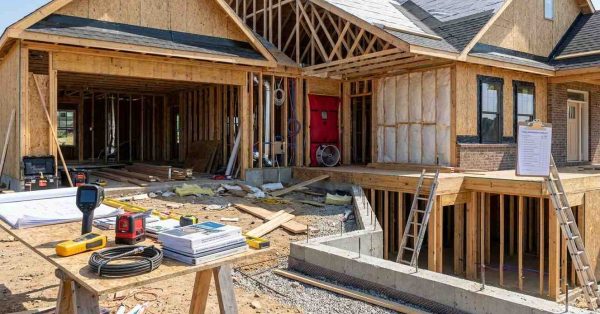
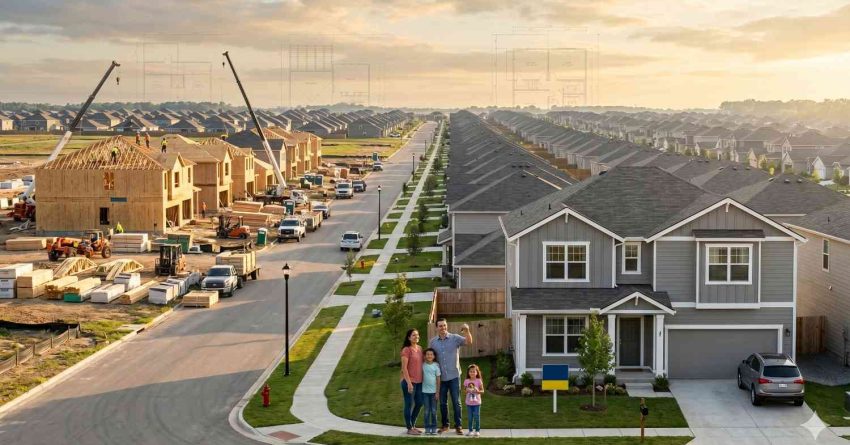
D.R. Horton acquires large land parcels in growing suburban markets, often years before development begins. Buying land in bulk at pre-development prices significantly lowers the land cost per lot. The company then builds entire communities using the same infrastructure, shared utilities, and coordinated construction crews — spreading fixed costs across hundreds of homes at once. That efficiency directly reduces what each buyer pays.

Standardized Floor Plans and Material Sourcing
Every D.R. Horton community offers a limited selection of floor plans. Fewer design variations mean fewer material types, less custom labor, and faster build cycles. The company negotiates national supplier contracts for lumber, fixtures, flooring, and appliances — purchasing at volumes that individual or regional builders cannot match. Those savings flow into the final price. Buyers get a functional, move-in-ready home at a lower cost than a custom build would require.
Knowing why the price is low is only part of the picture. What that affordability means for long-term build quality shapes how buyers should approach the purchase, what to inspect before closing, and what to budget for after moving in.
What “Affordable” Actually Means for Build Quality
Affordable does not automatically mean poor quality. D.R. Horton homes meet local building codes and pass required inspections. However, production builders make deliberate trade-offs to hit price targets. Finishes are typically builder-grade. Insulation, windows, and HVAC systems are often installed at minimum code requirements rather than premium specifications. These choices keep the purchase price accessible but can affect energy efficiency, comfort, and durability over time.
Where Cost-Cutting Shows Up Most in New Construction
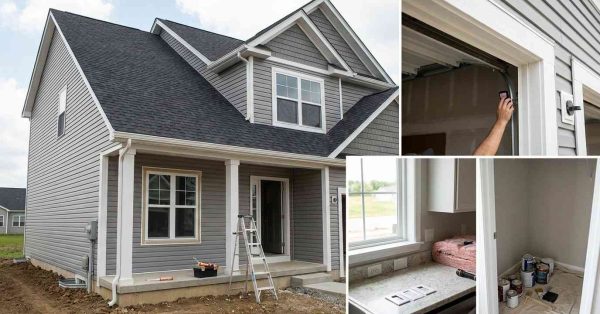
The most common quality concerns in production-built homes appear in areas buyers rarely inspect closely before closing: HVAC sizing, attic insulation depth, grading and drainage around the foundation, and the quality of interior trim and caulking. These are not defects in most cases — they are the predictable result of building to a price point. Budgeting for routine maintenance and early repairs in the first few years is a practical step every new production home buyer should plan for.
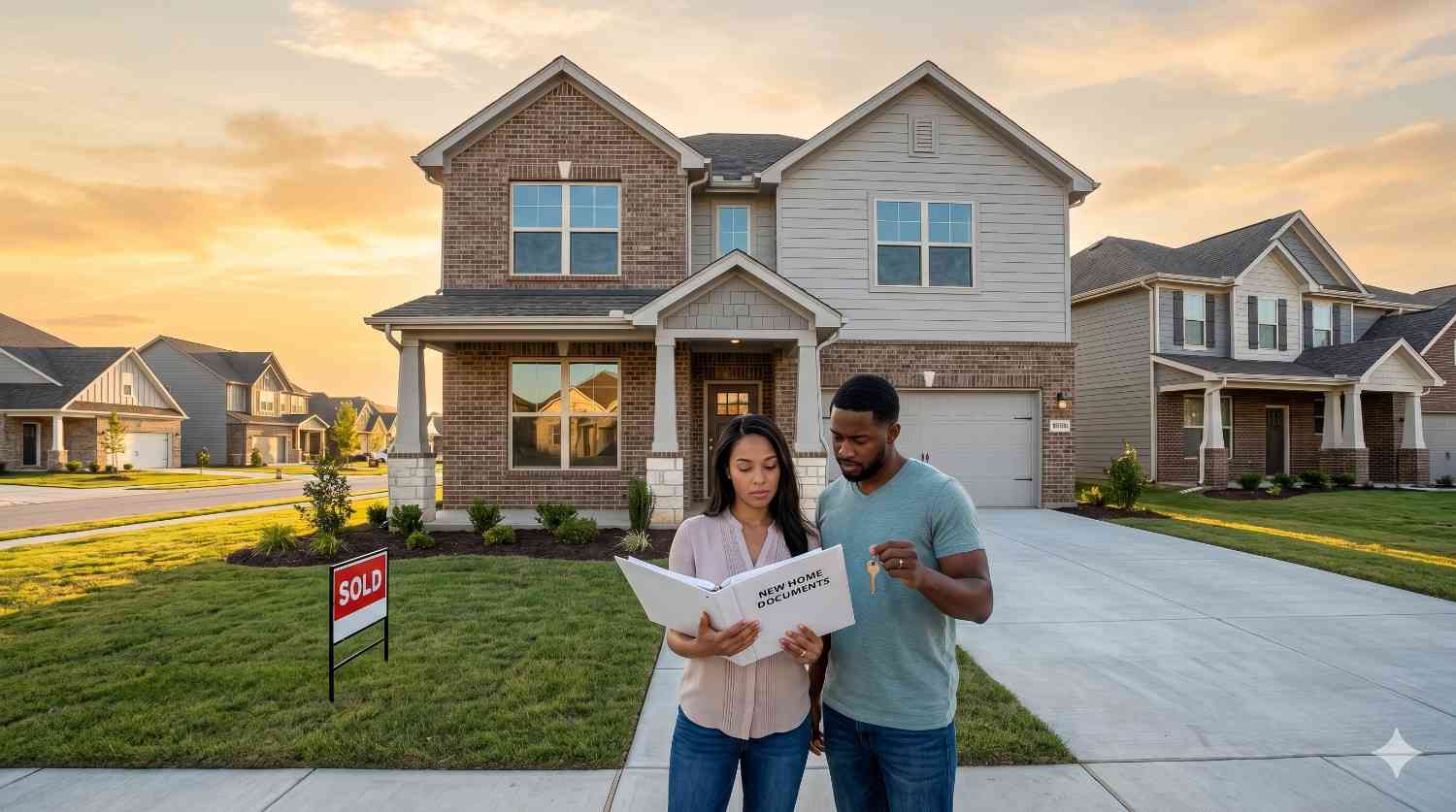
Is Buying a D.R. Horton Home a Smart Decision?
For many buyers, yes. D.R. Horton homes offer an accessible entry point into homeownership, particularly in markets where resale inventory is limited or overpriced. The company’s scale also means established warranty programs and a recognizable brand with accountability. The smarter question is not whether to buy, but how to buy well. Hiring an independent home inspector — not the builder’s inspector — before closing is essential. Understanding what the warranty covers and what it excludes protects buyers from unexpected costs in the first few years of ownership.
Conclusion
D.R. Horton keeps prices low through scale, standardization, and supply chain efficiency — a model that delivers accessible homeownership without being synonymous with poor construction.
For homeowners who purchase a production-built home, the real investment begins after closing. Planning for upgrades and improvements over time helps protect property value and improve livability as the home ages.
At Mr. Local Services, we help new homeowners stay ahead of maintenance, repairs, and improvements from day one.
Frequently Asked Questions
Are D.R. Horton homes good quality?
D.R. Horton homes meet local building codes and pass required inspections. Finishes and systems are typically builder-grade, meaning functional but not premium. Quality varies by community, construction crew, and local market standards.
Why does D.R. Horton build so fast?
Standardized floor plans, pre-negotiated supplier contracts, and coordinated construction crews allow D.R. Horton to move through each build phase quickly. Faster build cycles reduce labor costs and allow more homes to be completed per year.
What are common problems with D.R. Horton homes?
Buyers frequently report issues with grading and drainage, HVAC performance, insulation quality, and minor finish defects. Most are addressable under warranty if reported promptly within the coverage window.
How does D.R. Horton compare to other production builders?
D.R. Horton competes directly with Lennar, KB Home, and PulteGroup. Pricing and quality are broadly similar across production builders. D.R. Horton’s advantage is volume and geographic reach, which supports competitive pricing in most markets.
Should I get a home inspection on a D.R. Horton home?
Yes, always. Even new construction requires an independent inspection. A third-party inspector will identify grading issues, insulation gaps, HVAC concerns, and finish defects that the builder’s own inspection process may not flag.