Poor property condition, deferred maintenance, outdated features, and weak neighborhood comparables hurt a home appraisal the most. Appraisers reduce value when they see visible damage, functional problems, safety concerns, or signs that a home has fallen behind market standards. Location factors and recent low-priced sales nearby also pull values down. Understanding these triggers helps homeowners, landlords, and property managers protect equity, prepare smarter for inspections, and avoid surprises that delay sales, refinances, or property transactions across the USA.
The Biggest Factors That Hurt a Home Appraisal
The biggest factors that hurt a home appraisal are poor overall condition, deferred maintenance, outdated systems, structural issues, and low-priced neighborhood comparables. Appraisers weigh visible wear, functional obsolescence, and recent sales data heavily. Each issue reduces perceived market value and can lower the final appraised number by thousands of dollars.
Poor Condition and Deferred Maintenance
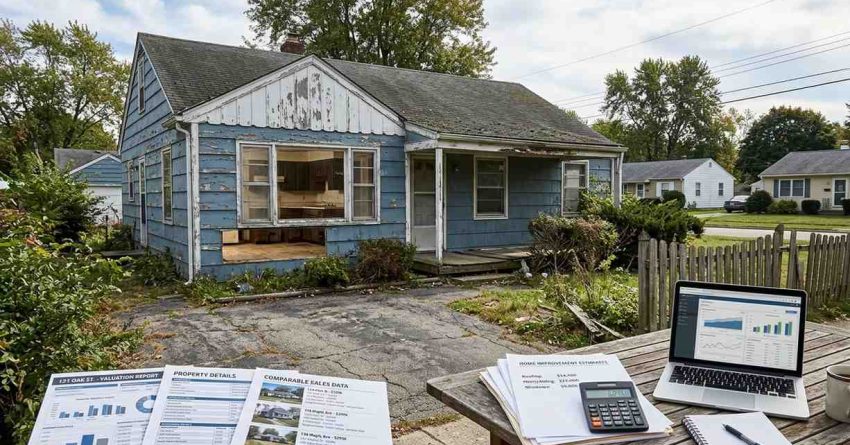
Visible damage signals risk. Cracked walls, water stains, peeling paint, damaged flooring, and broken fixtures tell appraisers that the home has not been cared for. Deferred maintenance compounds quickly. A small leak becomes rotted wood. A loose shingle becomes interior damage.
Appraisers walk through every room and inspect the exterior. They photograph problems and apply condition ratings that directly affect value. Homes rated “fair” or “poor” lose significant ground compared to homes rated “good” or “excellent.” Even cosmetic neglect, such as worn carpet or scuffed walls, lowers buyer appeal and pulls comparable adjustments downward.
Outdated Features and Functional Issues
Outdated kitchens, original bathrooms, old HVAC systems, and aging electrical panels reduce appraised value. Appraisers compare your home to recently sold properties with modern updates. If your finishes, appliances, or layouts feel decades behind, the gap shows up as a deduction.
Functional problems matter just as much. A bedroom you can only reach through another bedroom, a missing closet, or a poorly added room without permits all create what appraisers call functional obsolescence. These layout flaws are difficult to fix and consistently lower appraisal outcomes.
Smart homeowners protect value by addressing deferred maintenance early, since condition issues are the easiest appraisal-damaging factor to control before an inspection.
How Location and Market Conditions Lower Appraisals
Even a well-maintained home loses value when surrounded by weak market signals. Appraisers rely on recent comparable sales within roughly one mile, sold within the last six months. If those comparables sold low, your appraisal follows them down.
Neighborhood Comparables and External Factors
Distressed sales, foreclosures, and short sales nearby drag values lower. So do declining school ratings, rising crime statistics, and shrinking buyer demand in your area. External nuisances also matter. Busy roads, commercial properties next door, power lines, train tracks, and flood zones all reduce appraised value.
Market direction plays a role too. In a softening market, appraisers adjust conservatively. In rising markets, they may still anchor to older sales data, creating a lag that frustrates sellers expecting top-dollar valuations.
Hidden Problems Appraisers Flag Quickly
Some issues hurt appraisals more than homeowners expect. A failing roof system is one of the fastest deductions an appraiser will note, especially if shingles are curling, missing, or near the end of their lifespan. Lenders often require repairs before closing.
Foundation cracks, mold, asbestos, lead paint in older homes, and outdated knob-and-tube wiring also create major value reductions. Unresolved plumbing issues, including active leaks, corroded pipes, or aging water heaters, raise red flags during walkthroughs. Pest damage, termite history, and inadequate insulation further reduce ratings. These hidden problems often surface only during the appraisal, catching owners off guard right before a sale or refinance.
Conclusion
Condition, outdated features, weak comparables, and hidden defects hurt home appraisals the most. Each factor compounds, lowering value and delaying important financial decisions for property owners.
Staying ahead of repairs, modernizing key systems, and documenting upgrades helps homeowners, landlords, and property managers protect long-term equity and stand strong in any USA market.
We help you prepare smarter. Contact Mr. Local Services today to connect with trusted experts who keep your property appraisal-ready year-round.
Frequently Asked Questions
What lowers a home appraisal the fastest?
Visible damage, deferred maintenance, and a failing roof lower appraisals fastest. Appraisers deduct quickly when condition issues suggest costly repairs or safety risks for future buyers.
Do messy homes affect appraisal value?
Clutter alone does not lower appraisals, but it can hide damage and reduce the appraiser’s overall condition rating, indirectly pulling your final appraised value downward.
How much do bad comparables hurt an appraisal?
Bad comparables can reduce appraised value by thousands. Appraisers anchor heavily to recent nearby sales, so distressed or low-priced comps directly pull your home’s number lower.
Does an old roof hurt a home appraisal?
Yes. An old or damaged roof is one of the most common deductions. Lenders may require replacement or repairs before approving the loan.
Can unpermitted work lower an appraisal?
Yes. Unpermitted additions or renovations often get excluded from square footage calculations, reducing appraised value and creating financing complications during sales or refinance transactions.